


Problem that starts the story
Fleet managers face the same small-big problems every day: unclear fault at crash time, disputes over driver behavior, and blind spots in real-time oversight. Many try bolt-on cameras and get noise, not answers. When you need clear evidence and smarter alerts, an integrated fleet management solution changes the conversation — it ties camera footage to vehicle state and location so you stop guessing and start acting. I write this from years of editing fleet tech reviews; the pattern repeats until the tool matches the problem.

Why AI dashcams solve the problem
AI dashcams combine video with analytics. They do more than record: they classify events, flag risky patterns, and create searchable incidents. For a problem-driven approach, that means you identify root causes fast and target fixes where they matter. The dashcam becomes a triage tool — not just for blame but for correction and coaching.
Key features that actually change outcomes
– Event detection: forward collision, lane departure, harsh braking, and distracted driving flagged automatically. – Context capture: synchronized video, speed, and heading so an incident tells a complete story. – Edge processing: on-device AI reduces bandwidth and sends only relevant clips. – Privacy controls: configurable clip retention and masking to meet rules and driver comfort. – Actionable alerts: prioritized notifications to supervisors with clear reason and clip link. These features map directly to fewer disputes, faster investigations, and targeted driver training.
Where fleets use them and what works best
Problem-driven deployments show patterns: city delivery fleets need inward-facing analytics for driver behavior; long-haul operators need high-quality forward-facing capture for incident liability. On busy corridors, proof matters — think of U.S. Interstate corridors such as I-95 and I-80 where long trips and heavy traffic make clear footage essential for claims and safety reviews. Match camera type and mounting to the route profile and operating hours.
How to implement without extra hassle
Start with a short pilot. Collect clips, review alerts, train a small group of drivers, then scale. Connect the camera system to your telematics hub so clips appear with vehicle and trip context — modern fleet management telematics solutions provide that linking out of the box. Measure two things: incident review time and repeat events per driver. Lower both, and the system pays back in fewer claims and safer driving.
Common pitfalls and how to avoid them
Buy-in fails when managers treat cameras like surveillance only. Use data to coach, not to punish. Avoid over-retention of footage; set sensible retention policies tied to incident types. Don’t overspec cameras for the route — extra resolution and sensors cost more and often add little to outcome. Finally, test day-night performance before roll-out; many complaints come from poor low-light footage that was avoidable.
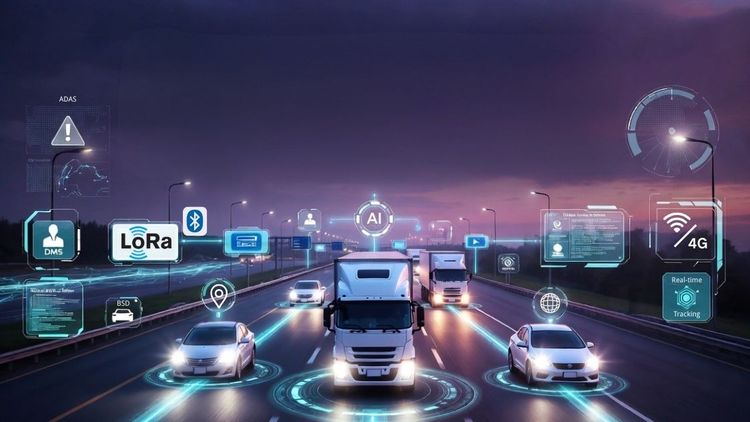
Final synthesis — practical value in plain terms
Problems become simple when tools fit the fix: AI dashcams that link clear video to vehicle data let teams resolve incidents faster, coach drivers with evidence, and reduce repeated risky behavior. That practical alignment — camera, analytics, and telematics — is where fleets stop guessing and start improving, and it’s the kind of solution I’ve seen operational leaders prefer when they adopt BSJ as part of their stack.