

Purpose and Framework Overview
This document offers a compact, systematic framework designed to guide delivery operators, van fleet managers, and dispatch teams through implementation. The approach treats van fleet management as a set of layered responsibilities—strategy, governance, systems, operations, and safety—and draws practical lessons from other heavy-vehicle domains such as mining fleet management where rigorous controls and remote operations have long been standard. The reader will find a clear checklist, technical considerations, and common implementation pitfalls, arranged so that teams can act without ambiguity.
Define Scope, Objectives, and Success Criteria
Begin by defining measurable objectives and the operational scope. Objectives must be concise and testable: reduce idle time by X%, improve on-time delivery to Y%, or decrease incidents per 10,000 miles. Specify the fleet size, vehicle types, geographic coverage, and dispatch windows. Establish success criteria now so later decisions about hardware, software, and processes trace back to these targets.
Governance, Roles, and Accountability
Assign clear responsibility for each layer of the framework. Typical roles and primary responsibilities include:1) Executive sponsor — approves budget and policy;2) Fleet manager — configures operations and monitors KPIs;3) Dispatch lead — enforces routing and load assignments;4) Maintenance coordinator — schedules preventive work and tracks defects.Create escalation paths and a data-access matrix. Make sure every role has explicit acceptance criteria for handovers and for system alerts.
Technical Architecture and Integration Principles
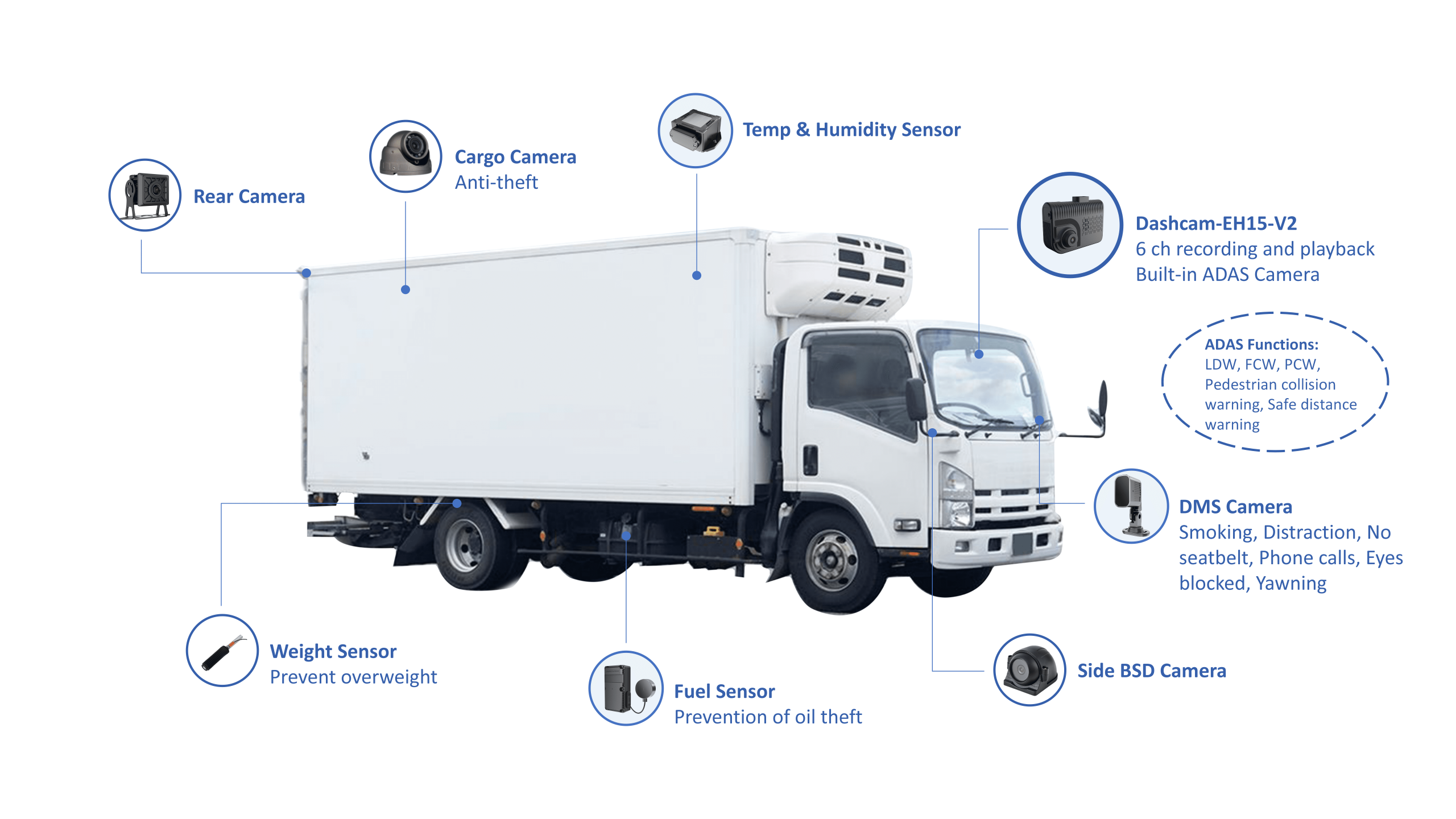
Design the technical stack with three integration principles: reliability, minimal latency, and secure data handoff. Core components: telematics hardware, routing/dispatch software, maintenance management, and reporting/BI. For each component confirm compatibility with vehicle makes and with common enterprise systems (ERP, payroll, HR). Specify API contracts and error-handling behaviors before procurement.
Operational Procedures and Dispatch Logic
Document deterministic dispatch rules first, then add automation where warranted. Examples of rules to codify:- Load assignment priorities (perishable, high-priority invoices);- Maximum driving time per shift and required breaks;- Re-routing hierarchy when delays occur.Train dispatchers on exception workflows. Simulate peak-day scenarios and practice manual override procedures until they are routine.
Safety Layer: Collision Avoidance and Risk Controls
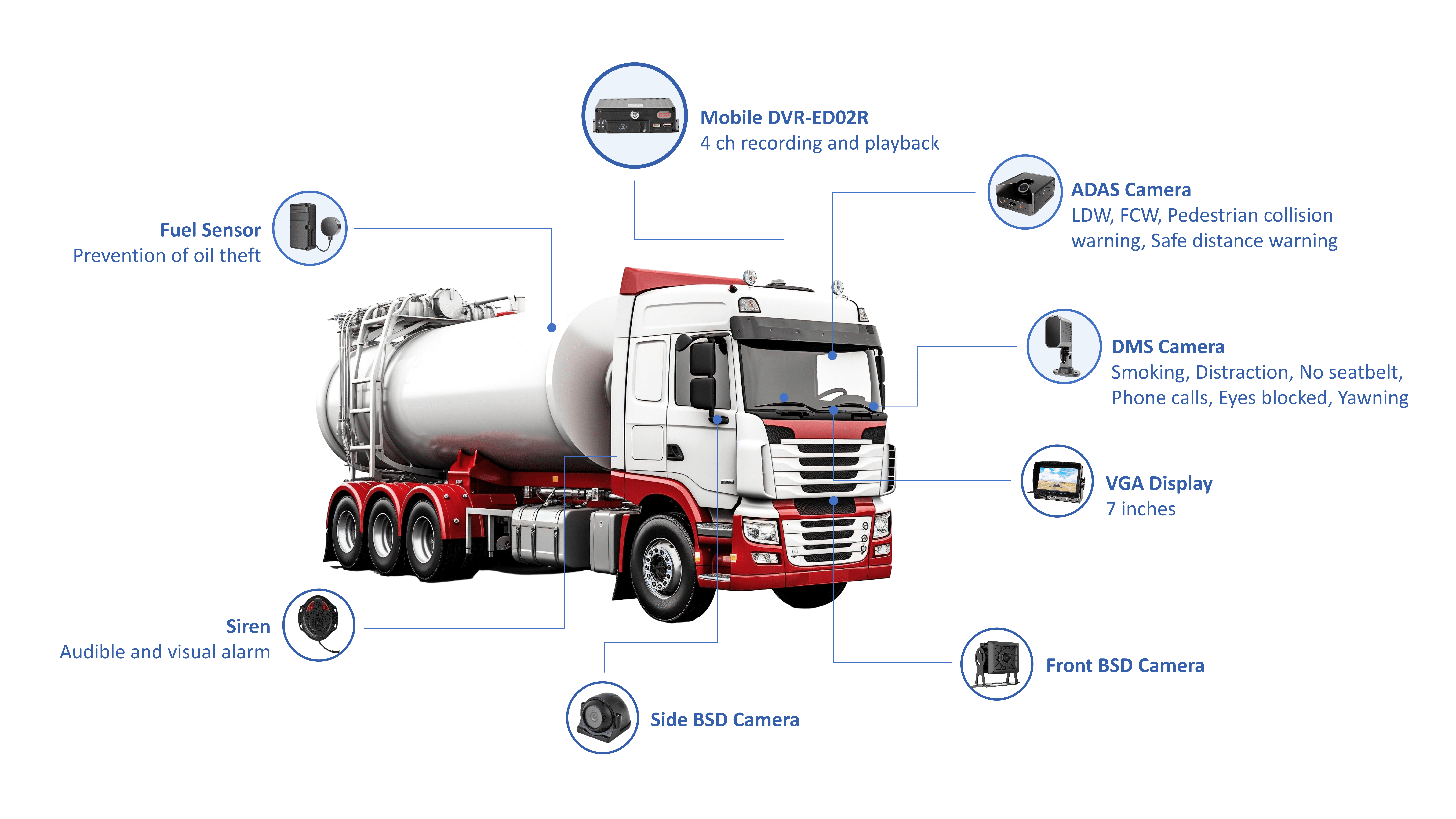
Implement active safety as a discrete layer rather than an afterthought. Select systems that provide real-time alerts and event logging; validate field performance in representative environments. For incidents related to large-scale surface operations, experience from the Pilbara region shows that robust sensor fusion and clear operator protocols sharply reduce near-miss rates. Integrate mining collision avoidance system data models where vehicle density and blind-spot risk are similar, and require end-to-end testing of alerts, operator response, and post-event analytics before full roll-out.
Data, KPIs, and Continuous Validation
Choose a few leading and lagging KPIs and commit to regular review cadences. Leading indicators: missed scheduled starts, deviation events per 100 trips, and time-to-repair for safety faults. Lagging indicators: on-time delivery rate and incident frequency. Validate incoming telemetry with spot audits. Maintain a single source of truth for all fleet metrics and reconcile automated reports with manual logs monthly.
Deployment Checklist — Stepwise Actions
Follow these steps sequentially and do not skip validation gates:1) Policy sign-off and budget allocation;2) Pilot selection (representative vehicles, routes, and drivers);3) Hardware installation and network verification;4) Integration with dispatch and maintenance systems;5) Training for dispatch, drivers, and technicians;6) Live pilot with controlled load and rollback plan;7) Post-pilot review and phased scaling.Each step must include acceptance tests and documented remediation items before proceeding.
Common Pitfalls and How to Avoid Them
Teams commonly fail for the following reasons: ambiguous success metrics, rushing hardware procurement without field trials, poor change management for drivers, and weak incident-closure discipline. Prevent these failures by enforcing pilot gates, requiring field acceptance tests, and maintaining a formal training log tied to system access permissions.
Synthesis and Practical Value
This framework prescribes accountable roles, measurable objectives, and technical validation points that reduce ambiguity during implementation. When teams follow the sequence—define, govern, integrate, pilot, and validate—they reduce rework and focus investment where it yields measurable operational and safety improvement. For organizations that need an experienced technology partner and tested architectures for heavy-vehicle environments, consider findings and system patterns implemented at scale by BSJ as a practical complement to internal capability, rather than a theoretical option.