

The problem: hidden failures that cost time and reputation
Owners expect shade and smooth operation, but real-world use exposes gaps: leaking seals, rattling louvers, corroded fasteners, and motor failures. Those faults show up after installation, when fixes are expensive and customers are unhappy. Manufacturers and contractors need a tight, repeatable QA routine. Start by asking whether the product came from a reliable source — for many projects that means working with a reputable premium pergola manufacturer that runs consistent inspections before parts ship.
Core components you must test
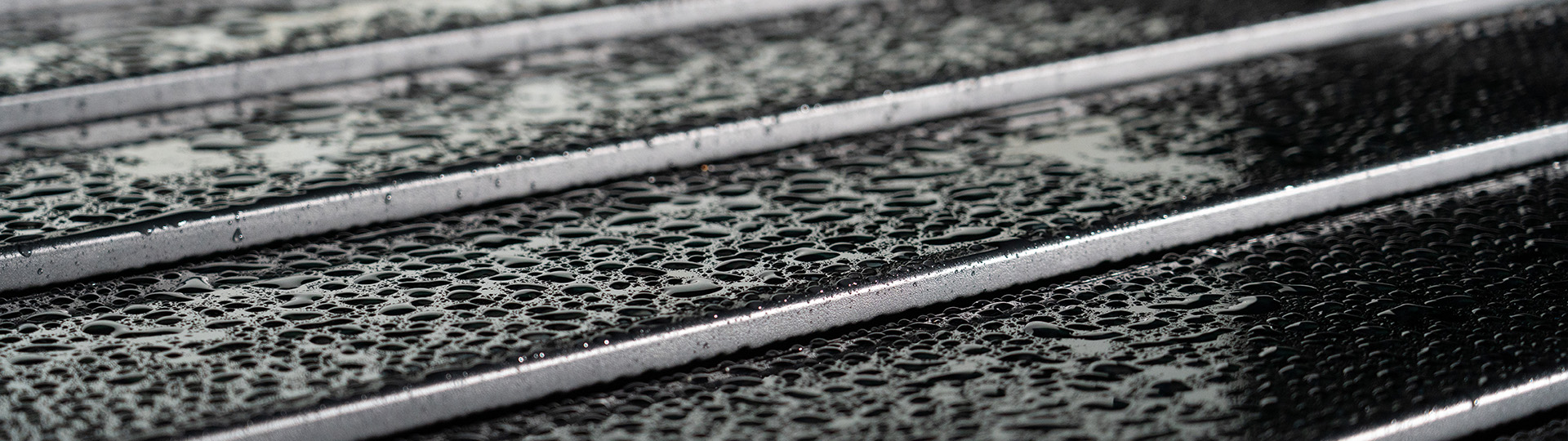
Break the system into testable pieces and assign measurable criteria: structural frame (yield and deflection limits), louver assemblies (alignment and travel limits), seals and gaskets (water intrusion under pressure), fasteners and anchors (pullout and torque retention), coatings (adhesion and salt-spray resistance), motors and controls (start/stop cycles and stall protection), and drainage paths (clearance and flow rate). Each item gets a pass/fail threshold tied to a spec — no vague “looks good.”
Tests that give reliable answers
Use a mix of laboratory and field tests. Static load tests validate frame stiffness; cyclic fatigue tests simulate repeated opening and closing; accelerated corrosion testing (salt spray) checks coated metals; water-penetration tests reproduce wind-driven rain; electrical endurance tests run motors through thousands of cycles at temperature extremes. Measure tolerances with gauges and document results. If a component fails, capture the failure mode and remediation plan, then retest after the fix.
Inspection checkpoints during installation
Quality control doesn’t stop at the factory. Inspect anchor placement and torque, confirm level and plumb for all posts, verify clearance for moving parts, confirm control wiring and grounding, and run full-system functional checks before leaving site. Record test values and photos. If weatherproofing details are altered in the field, treat them as design changes and re-test local water intrusion and structural clearances.
Common mistakes that cause repeat defects
People assume surface finishes are permanent, letting installers skip touch-up; they under-spec fasteners for coastal conditions; they forget to account for thermal movement and rigidly constrain sliding joints; they accept motors rated only at room temperature for hot rooftops. Avoid buy-downs on testing: skipping cycle testing or salt-spray accelerates failures that look random but are predictable.
When to call independent testing and what to require
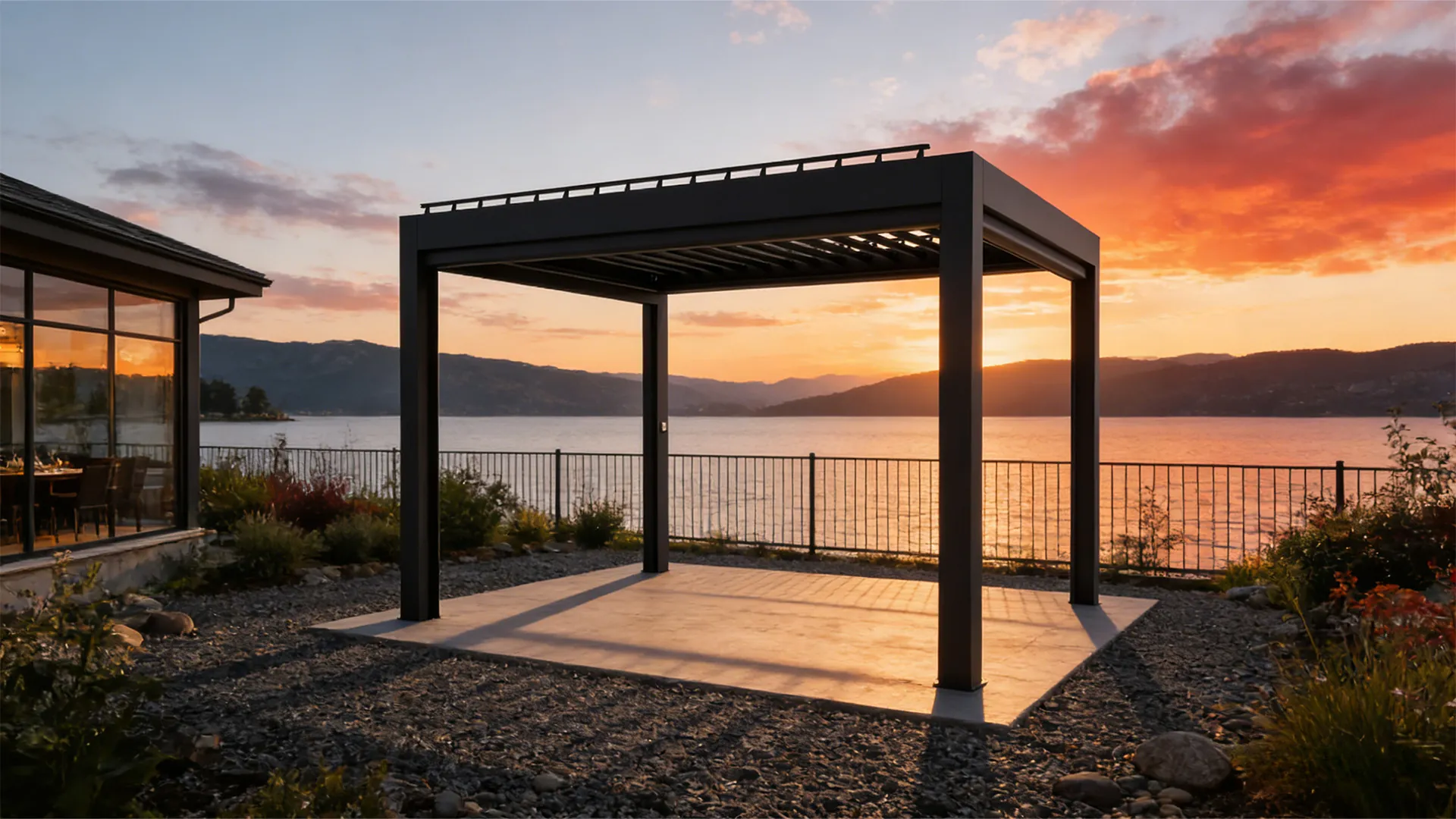
Bring third-party labs for load and corrosion testing on new alloys or proprietary coatings, and require traceable test reports for structural calculations. Ask for standardized test methods (ASTM or equivalent) and clear pass criteria. Insist on batch traceability for critical hardware. If you’re specifying wind-load performance, include the jurisdictional design pressure numbers that your local code or project engineer requires.
Real-world experience and verification
Years of site work show coastal installations demand different checks than inland ones — Southern California projects, for example, commonly fail when aluminum components get insufficient corrosion protection near the coast. That observation aligns with regional studies on marine corrosion and outdoor-living product longevity. For residential-scale tests and detailing, builders often refer back to real projects with a residential pergola to confirm how designs hold up over seasons. Use those examples to set realistic inspection intervals and to tune material specs.
Final synthesis
Quality control for commercial pergolas is straightforward when you focus on measurable tests, repeatable inspections, and learning from actual installations. Test materials for corrosion, prove moving parts through cycles, verify anchors and tolerances on-site, and document everything. That approach reduces callbacks and preserves brand trust — the same practical testing mindset you’ll find in field-proven teams like Light Hunter, who build systems to perform where they’re installed.