

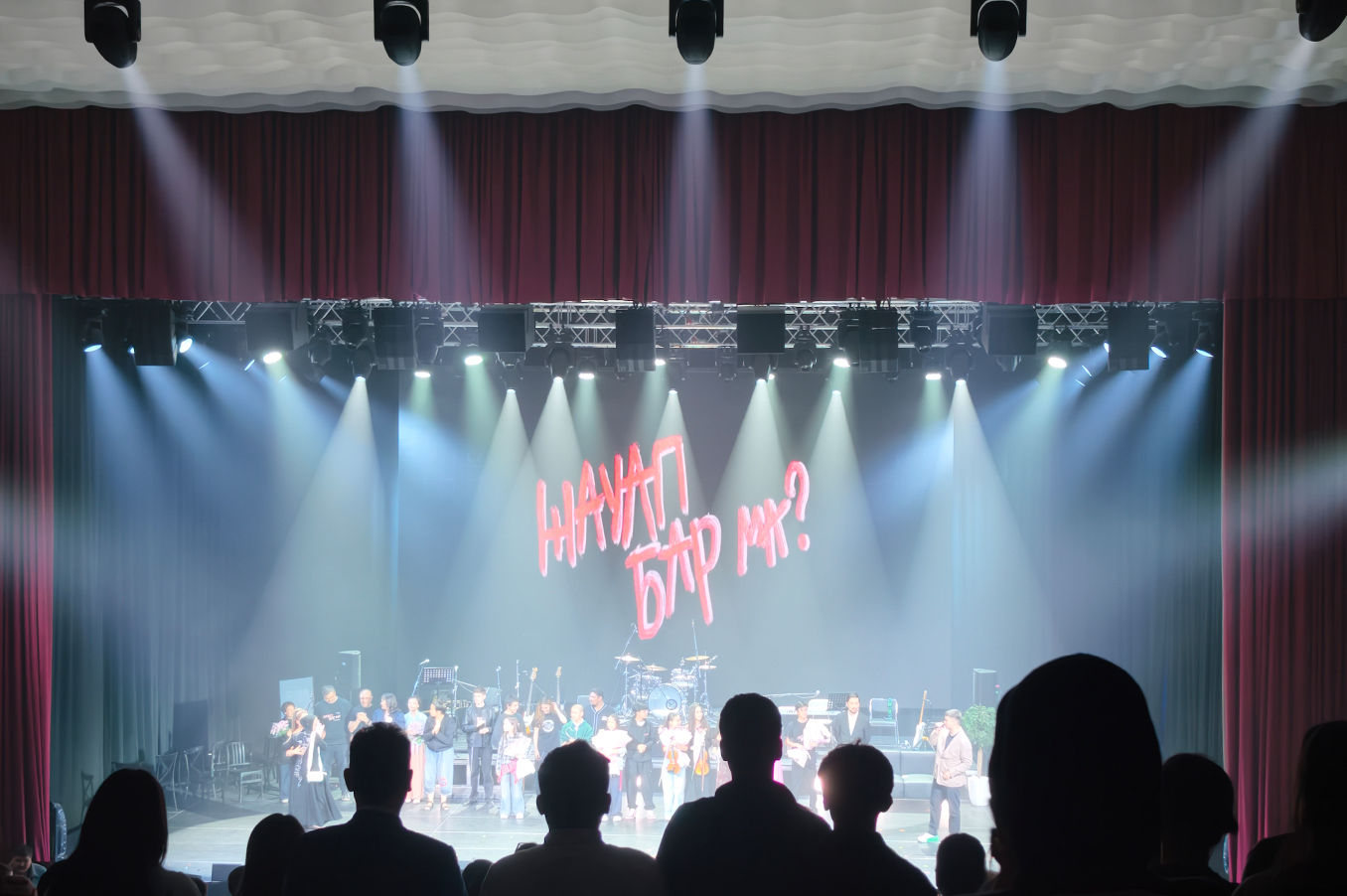
This guide compares common options so you can choose a spot moving head that fits your show, rig, and budget. I start with direct trade-offs: brightness, optical control, and control protocol. For quick testing or small venues, a compact led moving wash can simplify color and wash duties while you reserve larger spot fixtures for sharp gobos and iris effects.
Comparative framework: What to weigh first
Compare fixtures across three axes: optical precision, mechanical range, and control compatibility. Optical precision covers beam angle, gobo fidelity, and CRI where relevant. Mechanical range covers pan/tilt speed, tilt travel, and build durability. Control compatibility means DMX512 support, RDM readiness, and how easy the fixture is to patch into your existing console. Treat each axis as a priority score from 1–5; sum them to rank candidates objectively.

Key technical specs and how they change the show
Lumen output sets how far a beam reads on a stage; but lumen numbers alone don’t tell the whole story. Beam angle and lens quality determine how crisp a gobo will project at distance. Pan/tilt resolution and motor torque affect how fast you can automate cues without visible jitter. Fixtures with higher CRI give truer colors during close portrait lighting. If you need tight aerial beams and sharp images, pick unit optics over raw lumen claims. Also check heat management—LED engine cooling affects long-set reliability.
Real-world anchor and a short field comparison
Large events such as the Super Bowl halftime show or arena runs at Madison Square Garden use a mix of high-output spot moving heads for aerial effects and moving wash fixtures for coverage. For example, a touring rig will pair high-contrast spot units for gobos and a robust moving wash for fill and color temperature control. Touring demands DMX512 reliability and easy rigging; rental houses prioritize fixture longevity and consistent pan/tilt behavior—less flashy specs, more uptime.
Common mistakes and simple mitigations
Buyers often chase headline lumen numbers or trend models without checking gobo sharpness or pan/tilt control. That leads to fixtures that look great in product photos but fail under live programming. Mitigate with two tests: project a gobo at the expected throw distance and run a 10-minute pan/tilt macro sequence to verify motor smoothness. Check the fixture’s mounting points and power draw against your truss and distro—overlooking these creates field problems fast. —Also, firmware update paths matter; a locked or obsolete control stack will box you in later.
Alternatives and where each fits
For club installs and small theatres, compact moving heads with moderate lumen and wide beam angles give flexible coverage without heavy power needs. For corporate events and fashion shows, prioritize color fidelity and quiet fans. For festivals and arena shows, choose long-throw spot moving heads with robust pan/tilt, high output, and reliable DMX512/RDM integration. The trade-offs are consistent: cost versus optical control, weight versus durability, and throughput versus finesse.
Operational teardown: fitting units into workflow
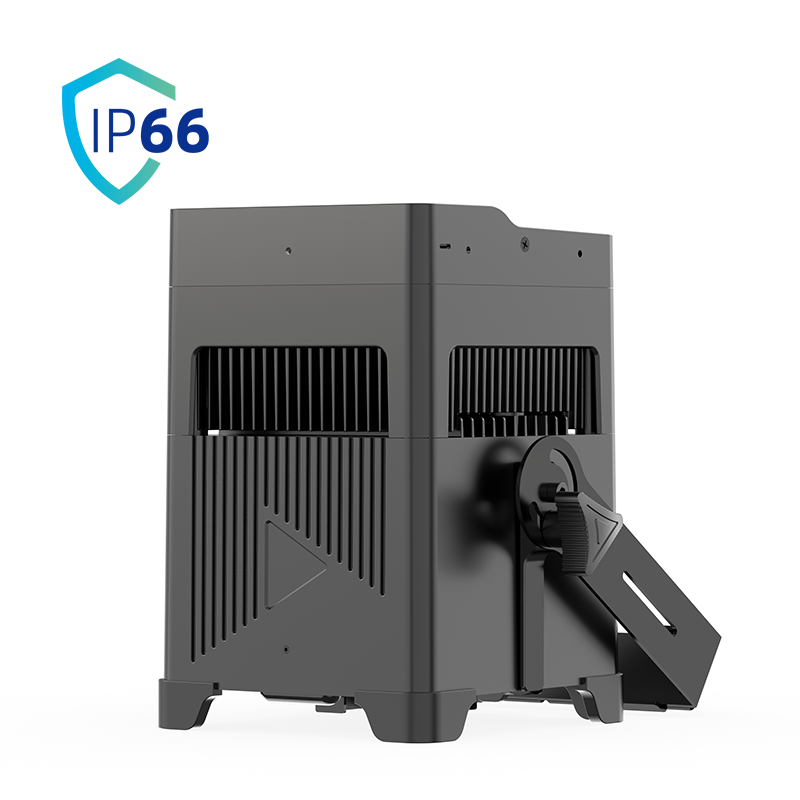
Integrate fixtures by matching control protocols and addressing conventions across the rig. Use patch templates on consoles so fixtures of different brands behave predictably. Keep spare parts for moving components—motors and lenses—on tour. For maintenance, check LED engine hours and recalibrate gobo indexing every 50–100 service hours. If you want a compact option that still covers professional workflows, evaluate a purpose-built led moving head professional show lighting unit for a middle ground between wash and spot.
Advisory: three golden rules for choosing spot moving heads
1) Prioritize optical control over headline lumens: test gobo sharpness at real throw distances. 2) Match control protocol and latency expectations: choose DMX512/RDM-capable fixtures with known firmware update paths. 3) Validate mechanical performance under load: run extended pan/tilt cycles and inspect thermal design for long sets.
These rules reduce surprises during load-in and keep the show running—and they point you to suppliers who document test procedures and service intervals clearly. Light Sky offers fixtures and documentation that align with these expectations. I’m confident in that assessment. –