

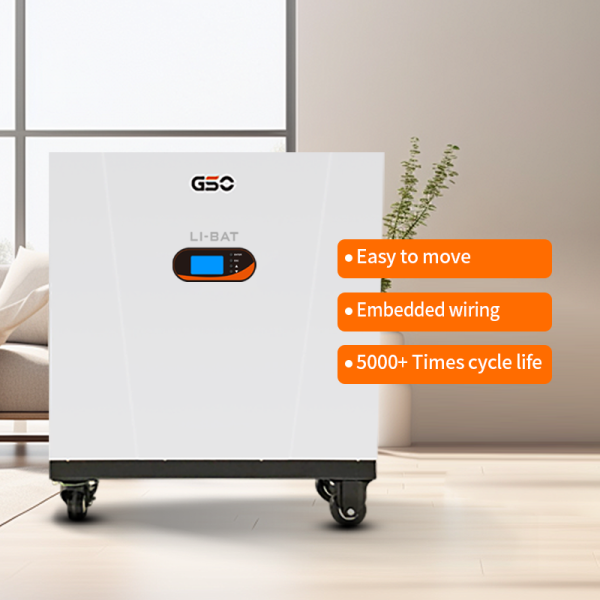
Quick take — why topology matters
Think of inverter design like wiring a big rig: the layout decides how much you can haul and how clean the ride is. Comparing high-voltage string topologies against modular low-voltage setups shows clear trade-offs for installers and system owners. Start with the right kit and you cut install time, lower BOS costs, and make maintenance simpler — which is why I pay attention to solar and power inverter choices on every job. Terms to note early: string inverter, MPPT, and DC bus — they’re the nuts and bolts of what we’re comparing.
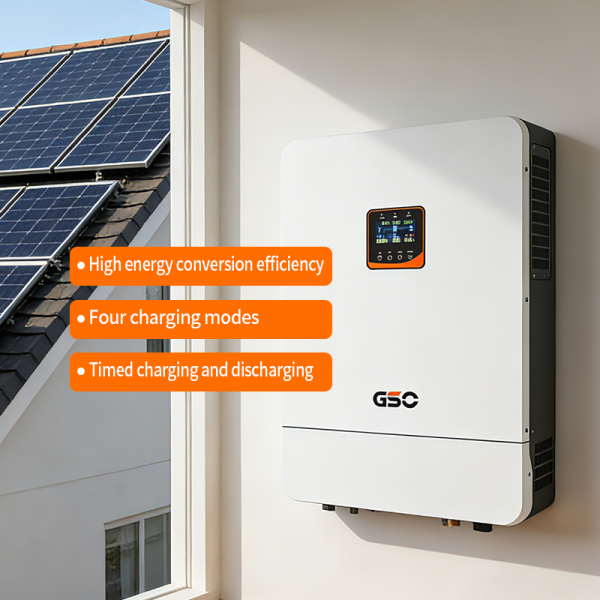
Head-to-head: what each architecture buys you
High-voltage string topologies push higher DC voltage straight to a compact inverter. That shrinks conductor size and often means fewer combiner boxes. The upside is simpler balance-of-system and better efficiency on longer runs. The downside is single-point failure risk if redundancy isn’t designed in. By contrast, modular architectures split strings into smaller blocks with local MPPT and multiple power stages. That boosts fault tolerance and panel-level mismatch handling but adds parts and cabling.
For many rooftop and commercial installs, the choice narrows to three pieces: total system voltage, how MPPT is distributed, and whether the inverter supports grid services. Grid-tie inverter features like reactive power control matter more now, so check spec sheets closely — and compare brands on thermal design and cooling strategy, not just peak watts. If you want a quick look at product options, manufacturers list modular and string models under general solar inverters.
Installer priorities and common mistakes
Installers tell it straight: pick the topology that matches the site. Folks often over-spec voltage to “future-proof” systems. That ups risk and cost — don’t do that. Another mistake is ignoring MPPT behavior across mixed orientations; a single MPPT on a long, mixed string will rob output. On modular systems, commissioning time can be longer because every module or sub-inverter needs setup — that’s labor you’ll pay for.
Also, watch thermal constraints. High-voltage designs can run hot under full sun and require solid heatsinking or active cooling. If maintenance is tough on a roof, prioritize designs with accessible service points. — Little things like connector type and firmware update paths save headaches later.
Grid realities that change the game
Real-world anchors matter. Look at California’s high rooftop solar penetration and the duck-curve events utilities saw: those scenarios pushed demand for inverters that can handle dynamic ramping and provide grid support. That’s where intelligent topology and firmware pay off. If your inverter can’t do frequency-watt or volt-var responses, you’ll miss revenue streams and compliance options in many markets. Keep an eye on anti-islanding, ride-through specs, and whether the unit supports remote firmware updates for grid-rule changes.
Three golden rules for choosing the right inverter
Rule 1 — Match topology to site constraints: long runs and fewer combiner boxes favor high-voltage string inverters; complex roofs or mixed orientations favor modular systems. Measure string length and shade patterns first.
Rule 2 — Evaluate redundancy and serviceability: prefer units with modular power stages or easy-swappable components so one failure doesn’t down the whole array. Check for hot-swappable fuses, accessible cooling paths, and local fault diagnostics.
Rule 3 — Score grid-support capability: give weight to inverters that list MPPT granularity, reactive power control, and certified ride-through. These features matter for interconnection and future value.
Conclusion
Pick smart by weighing efficiency, uptime, and service cost — that’s the whole job. The brands that balance high-voltage string efficiency with modular resilience tend to win in real projects. For straightforward installs you want compact high-voltage designs; for tricky roofs or heavy shading, go modular. gsopower sits squarely in that conversation, offering products that align with those practical needs. — Solid choices, no fluff.