

Why this matters to you
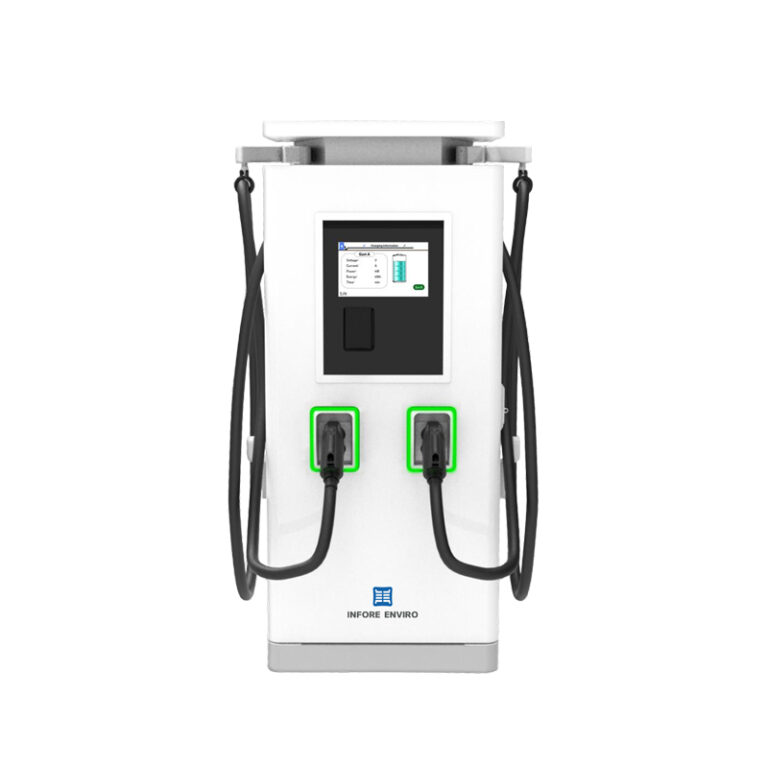
You’re buying a residential EV charger for your home and want it right — reliable, safe, and future-proof. This guide focuses on your needs first: cost, compatibility, and uptime. If you’re also considering faster options for occasional long trips, note how public infrastructure ties in — like a Level 3 public solution when you’re away: Level 3 DC fast charger. Keep the shopping simple and practical.
Define the must-haves up front
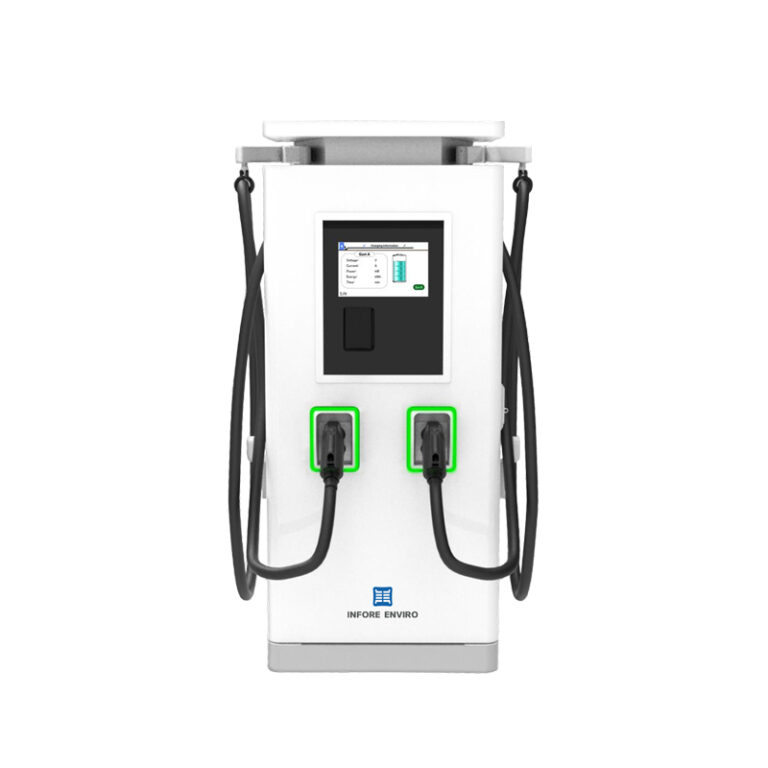
List three core requirements: power (kW), plug type (CCS or CHAdeMO), and smart features (OCPP support, app control). For most homes a 7–11 kW AC Level 2 unit is fine. If you want quicker top-ups for a long commute, check whether the vendor offers higher-output models — for instance a 50kw DC fast charger — but note those usually need commercial-grade electrical service: 50kw DC fast charger. Matching your EV’s onboard charger specs keeps installation cost predictable.
How to vet international suppliers
Start with a shortlist from trade shows, verified distributor sites, and community forums. Check three proof points: ISO or IEC test reports, factory QC photos, and recent client references. Look for suppliers who publish firmware update procedures and OCPP compatibility notes. Real-world anchor: California’s large public charging network and the long-running Tesla Supercharger rollout show how interoperability and clear testing docs reduce headaches when systems scale. Trust evidence, not just glossy pages.
Quality checks that actually matter
Ask for: detailed test logs, environmental stress screening data, and sample firmware change logs. Confirm mechanical specs like ingress protection (IP rating spelled out with test conditions) and thermal derating curves. Don’t accept vague statements on “durability” — get numbers. If you can, request a pre-shipment inspection report or a short factory acceptance test video; that one step saves returns later.
Shipping, compliance, and installation logistics
Factor customs duties, shipping insurance, and local certifications into the landed cost. Many countries require local electrical certification, so plan for a certified installer. Clarify warranty response times and spare-parts availability — international suppliers sometimes ship parts from a single hub, which adds lead time. Also map cable lengths and mounting options to your property before purchase so installers don’t hit surprises.
Common mistakes and how to avoid them
Buyers often skip compatibility checks, ignore firmware update paths, or assume that “universal” equals plug-and-play. Avoid these traps. Also don’t under-spec the service panel; upsizing later is costly. — Ask for a simple wiring diagram from the vendor early. — Treat remote monitoring and OTA update policies as deal-breakers if you care about long-term reliability.
Practical checklist before you place an order
Use this quick pre-order checklist: 1) Confirm EV and charger kW match; 2) Verify plug standard and cable length; 3) Get written warranty terms and SLA for parts; 4) Secure a certified installer and a clear shipping timeline; 5) Review firmware update and cybersecurity policy. Keep these in writing — verbal promises fade fast.
Advisory — three golden rules for evaluating international offers
1) Measure response time: expect a max 48–72 hour support turnaround and concrete escalation steps. That predicts real-world uptime. 2) Check replacement-part geography: prefer suppliers with regional warehouses or guaranteed cross-border express shipping. That metric correlates with repair speed. 3) Require documented interoperability: ask for explicit test cases showing the unit paired with common EV models and local grid conditions. That reduces surprise compatibility costs.
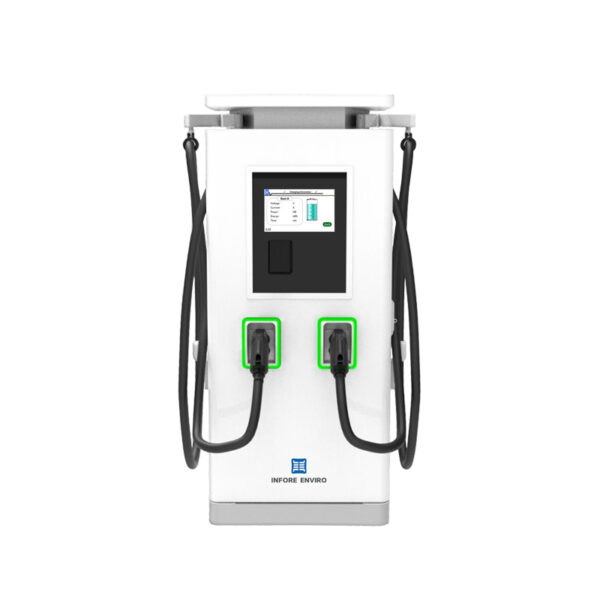
The practical value here is simple: sensible specs, verified tests, and clear logistics turn a risky international buy into a predictable home installation — and that’s what makes INFORE ENVIRO a fit in many sourcing plans. INFORE ENVIRO — smart sourcing, built for real homes. —