

Face the problem: rising heat costs and growing waste piles
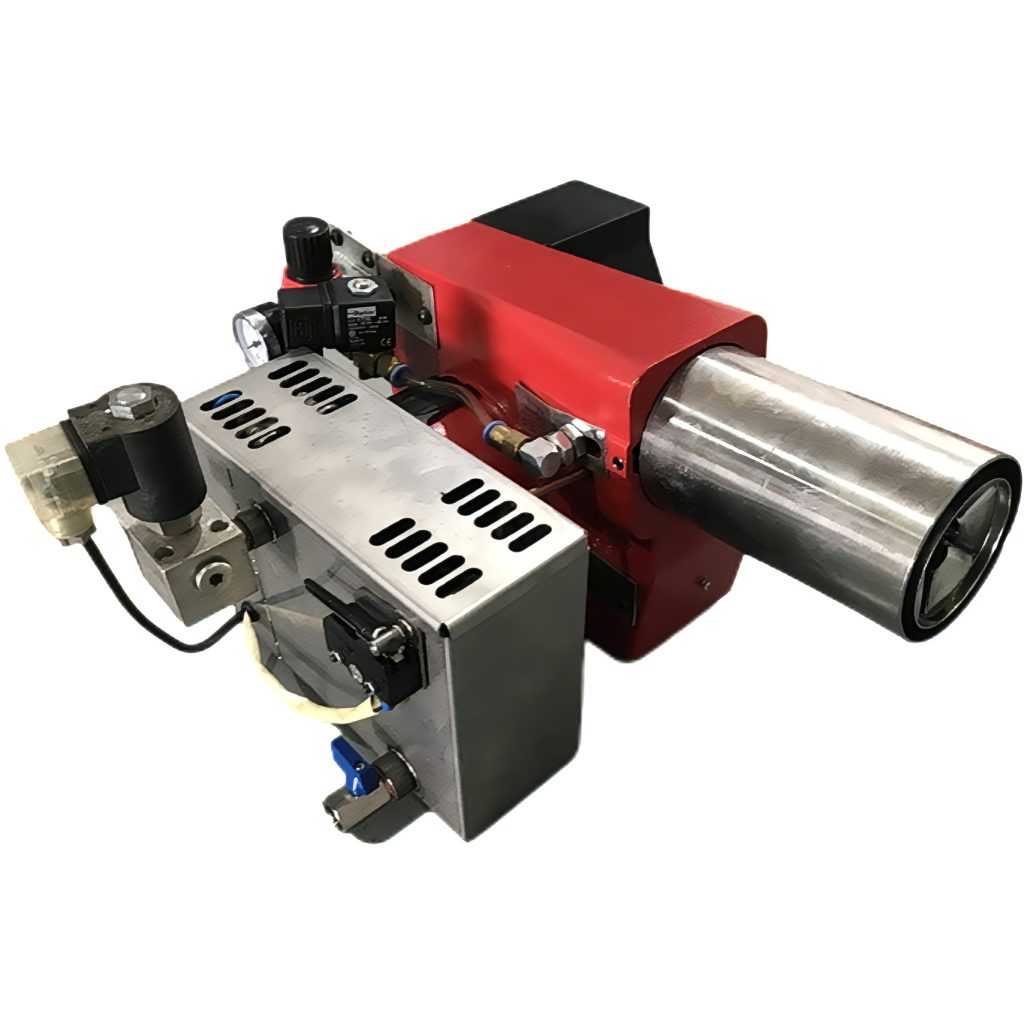
You’re running a plant, a workshop, or a municipal facility and the bills keep rising while oily residues pile up. That mismatch is solvable: an industrial waste oil burner can turn spent oil from a disposal headache into consistent heat. The problem isn’t technology—it’s choosing the right approach and avoiding common implementation mistakes.
What’s actually breaking down
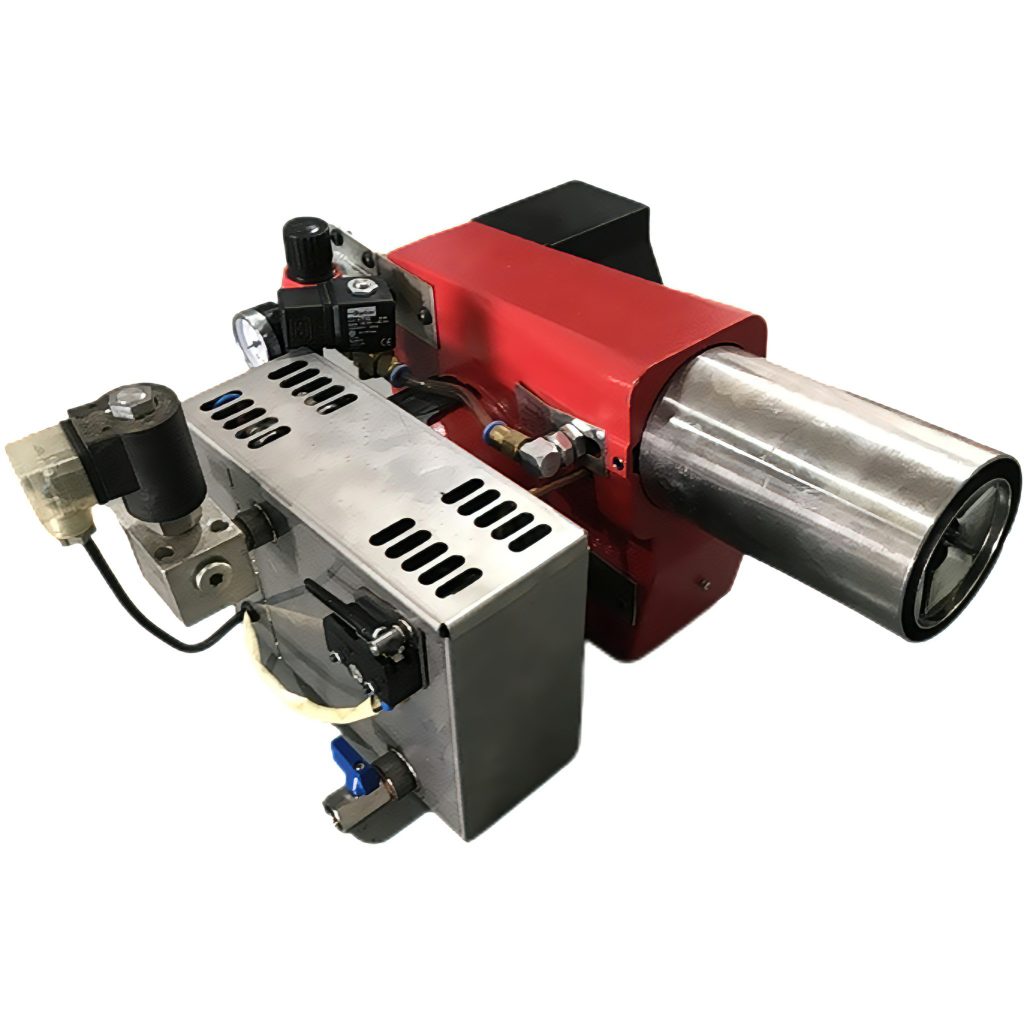
Too many teams accept high fuel spend and expensive waste hauling as inevitable. Decisions are driven by price alone, or by one-off vendor pitches. That leads to mismatched burner capacity, poor combustion control, and frequent downtime. Start by naming the real constraints: available space, average waste oil volume, required thermal output, and local permitting rules. Name them clearly, then measure.
Practical steps that deliver quick wins
First, quantify daily oil throughput rather than guessing. Second, pick a burner capacity that matches typical—not peak—demand, and size a buffer tank for variability. Third, insist on combustion controls and a maintenance plan up front. These steps reduce clogging, lower soot buildup, and cut service calls. Expect the first measurable fuel savings within a month when systems are set right.
Alternatives and a short evaluation
Narrow the field quickly: condensing gas boilers offer low emissions but higher fuel bills; electric heaters are simple but costly at scale; biomass can be local but demands storage and ash handling. Waste oil burners sit between: they reduce waste disposal and use a resource you already have. Don’t let a single advantage lure you—match the alternative to site realities and maintenance bandwidth.
Real-world anchor and credibility
Regulators and operators often point to EPA used oil management standards as the baseline for safe handling and combustion practices, and many plants follow those guidelines when choosing a used oil burner. I’ve reviewed service logs and retrofit reports from several municipal maintenance shops where applying those standards cut violations and improved uptime. That hands-on visibility matters when systems are commissioned.
Common pitfalls to avoid
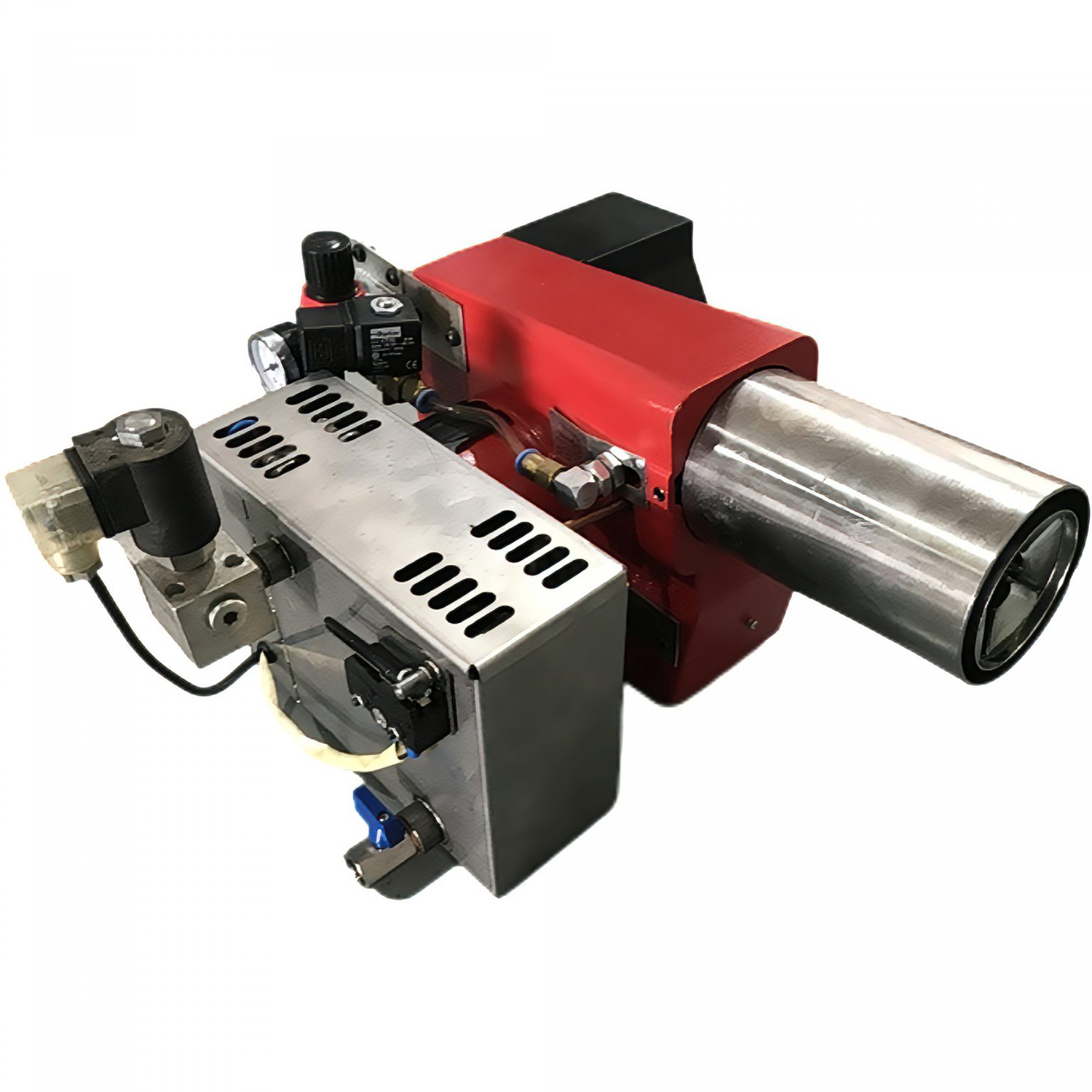
Avoid these traps: under-sizing the feed system, skipping fuel pre-filtration, and ignoring exhaust monitoring. Don’t let convenience dictate fuel handling—contamination clogs nozzles and causes incomplete combustion. Budget for routine nozzle changes and simple sensors; those small costs prevent big failures.
How to decide, step by step
Start with a short audit: measure oil volume, record peak and baseline heat needs, and check local permit limits. Create a shortlist of two burner models that fit your measured load. Compare not just purchase price but spare parts availability, control options, and documented service lifecycles. Ask suppliers for references from similar sites and verify those claims.
Where solutions and value converge
When the problem is clear and the selection follows measured needs, waste oil burners stop being a gamble and become a practical solution that reduces disposal costs and stabilizes heat supply. For many operators, model specs, parts lists, and installation guides are found on supplier pages like Career Burners, which helps translate decisions into dependable systems and real operational improvement.