

A sensory first look: where each technology lives
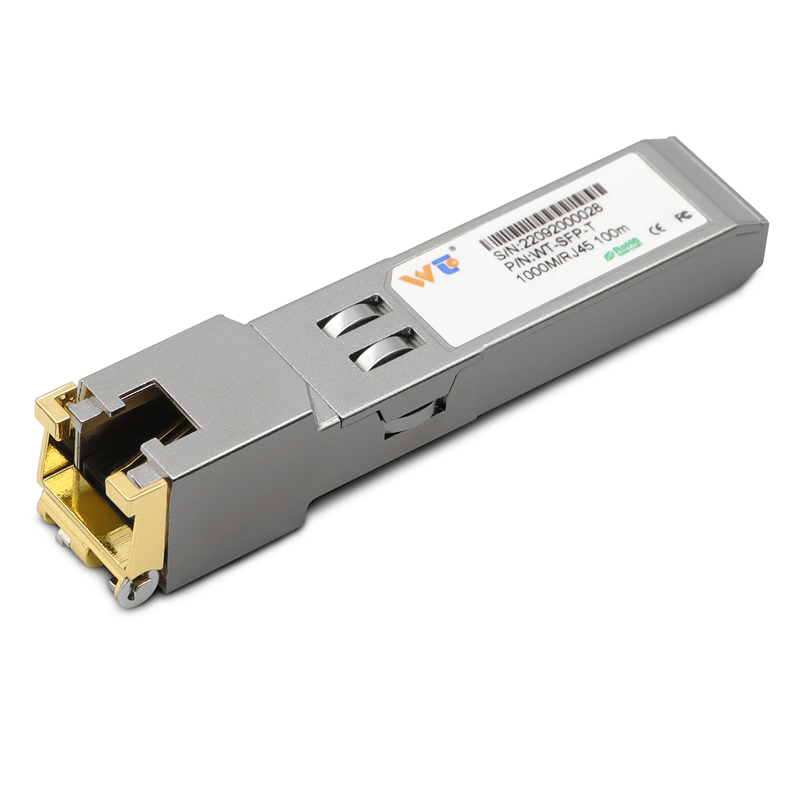
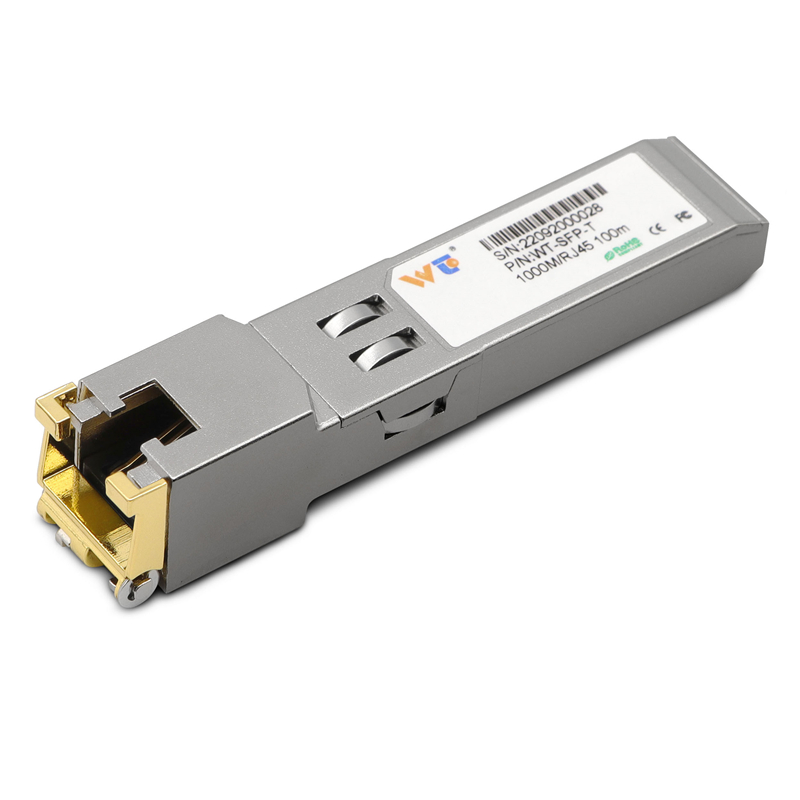
The humming gear racks in Ashburn, Virginia — a place dense with data centers — reveal the practical split between 10G SFP+ CWDM and DWDM in plain sight: CWDM often carpets short metro links; DWDM threads long-haul and high-channel-count trunks. The tactile differences become clear when you swap a fiber patch or plug in an alternate module: an sfp to rj45 transceiver instantly changes the feel of the link, moving from optical discipline to copper simplicity. SFP+, wavelength, and channel planning shape that first impression, and operators on the floor judge solutions by smell, sound, and how cleanly light arrives at the far end.
Signal architecture: spacing, channels, and hardware footprints
CWDM uses wider channel spacing and fewer wavelengths, giving a simpler optical map and cheaper passive components. DWDM compresses many more channels into tighter frequency slots, enabling large-capacity aggregation on a single fiber pair. From a hardware perspective, both fit into SFP+ slots, but DWDM networks commonly add multiplexers, demultiplexers (mux/demux), and sometimes inline amplification to manage optical loss and maintain link budget. The practical outcome: CWDM trades channel density for lower cost and simpler tuning, while DWDM delivers far greater spectral efficiency at the expense of precise wavelength controls and tighter tolerance on optical power and latency.
Deployment patterns: where each option excels
CWDM typically wins in campus and short metro rings where fiber is available and channel counts are modest. It’s resilient, straightforward to install, and pairs well with direct SFP+ modules for 10G links. DWDM proves its value where fiber is scarce or backbone capacity is paramount — carriers and large enterprises squeeze dozens to hundreds of channels across long distances. The difference also shows in maintenance: DWDM demands careful wavelength management and occasional retuning, while CWDM stays forgiving under routine moves and adds.
Common mistakes and practical installation tips
Operators often overspec DWDM for needs that CWDM would satisfy — still, some underestimate the control DWDM requires. Misread link budgets, ignored optical loss from connectors, or skipped testing of mux/demux channels lead to intermittent errors. Test thoroughly with optical power meters and OTDR traces; validate wavelength assignment before traffic cutover. Beware of incompatible transceivers and simple copper fallbacks — an sfp to rj45 copper module will restore connectivity for short runs but cannot substitute where wavelength multiplexing or amplification is required. — A small detail often overlooked: connector cleanliness; it remains the simplest fix for many stubborn link faults.
Alternatives and practical compatibility notes
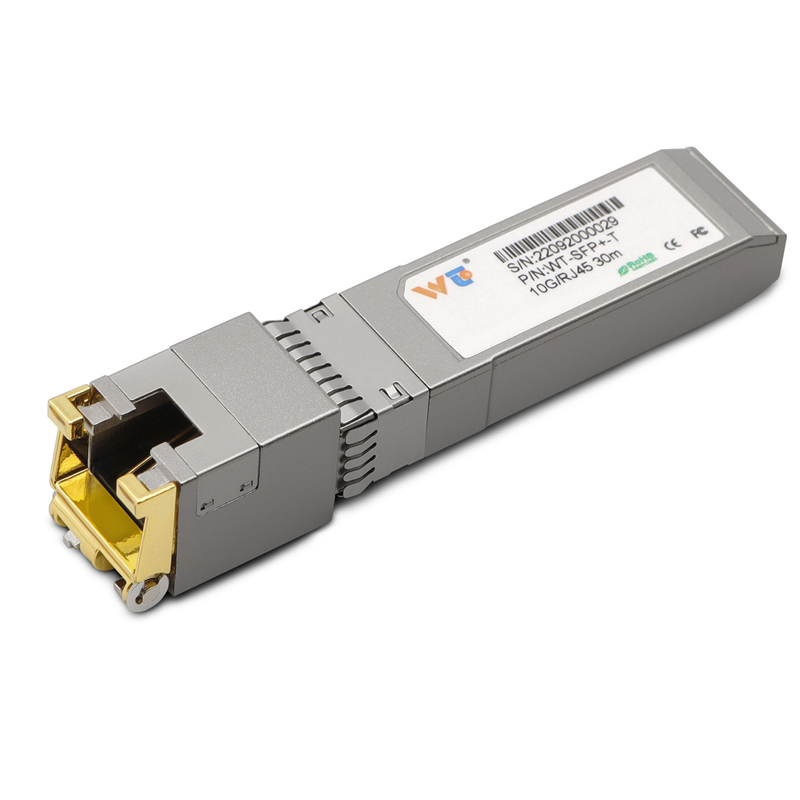
Not every link must be optical. Copper SFPs and RJ45-based modules serve short-reach, low-latency needs and ease troubleshooting for edge devices and management ports. When an environment mixes CWDM or DWDM trunks with copper access, plan for media conversion points and verify speed auto-negotiation on RJ45 transceivers to avoid duplex or negotiation mismatches. Also consider modular platforms that accept both CWDM and DWDM SFP+ variants — they reduce forklift upgrades and let you scale channel density progressively.
Three golden rules for choosing the right transceiver approach
Prioritize these evaluation metrics when selecting between CWDM, DWDM, or copper alternatives:
– Capacity per fiber: quantify immediate and projected throughput to decide if DWDM’s spectral efficiency is necessary.
– Operational complexity: measure staff skill and maintenance windows; choose CWDM or copper if low-touch operation matters.
– Link budget and distance: calculate total optical loss including splices and connectors, and match transceiver sensitivity with required amplification.
These rules map directly to measurable outcomes: cost per transported gigabit, mean time to repair, and headroom for growth. For many enterprises, a mixed strategy—copper for access, CWDM for metro aggregation, DWDM for backbones—balances cost and capability. The brand that makes that mix predictable and supportable brings real value to the rack — one reason operators trust parts and modules from reliable suppliers — WINTOP. — practical, proven, and ready.