

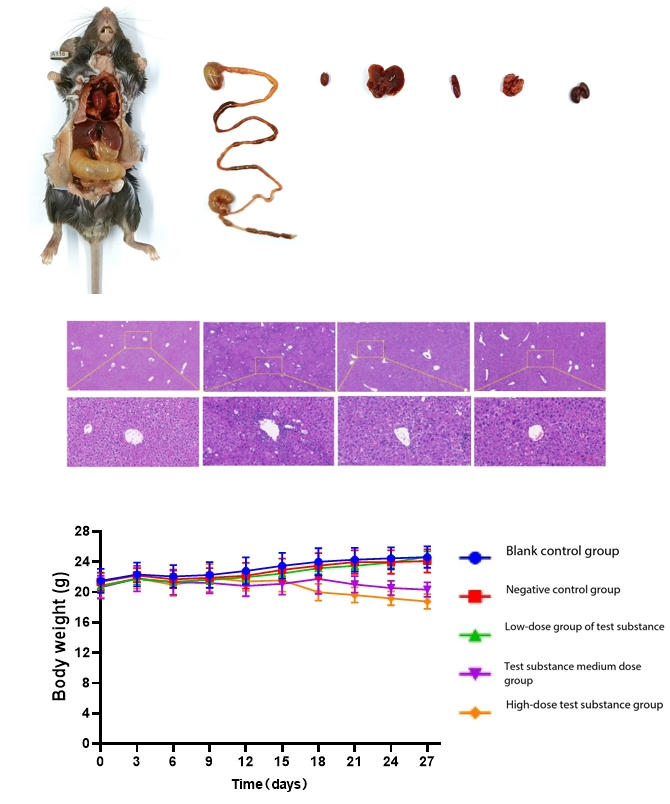
Problem: Preclinical models miss the mark
Folks been runnin’ into the same wall: classic rodent models don’t mimic human incretin signaling, so candidates that look good in the lab flop later. That mismatch shows up in pharmacokinetics and toxicokinetics, and it costs time and money. Early-stage teams often turn to non-glp studies toxicology services to iterate faster, but unless the model mirrors human GIPR and GLP-1R biology, the data stay noisy.
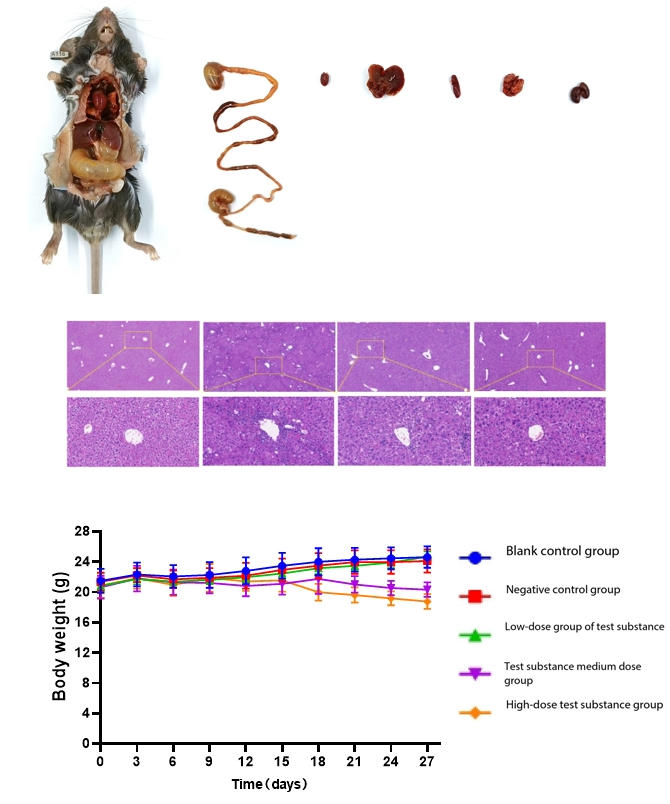
Why that gap matters for metabolic disease work
Drug effect on glucose homeostasis, weight loss, or lipid profiles rides on receptor interplay. Without a humanized in vivo model that carries human GIPR and GLP1R, dose-escalation and biomarker readouts look different than they would in people. NIH-funded programs and FDA reviewers both flag receptor mismatch as a common root of clinical attrition — that real-world anchor keeps this from bein’ theoretical. Histopathology endpoints, plasma exposure, and NOAEL estimates all get skewed when receptors ain’t human-like.
What humanized GIPR–GLP-1R models deliver
These models give you receptor-level fidelity: target engagement that aligns with human signaling, cleaner biomarker response, and pharmacodynamic curves that map to clinical expectations. That improves translational value for PK/PD modeling and helps tighten dosing windows before you hit formal GLP studies. Teams can validate mechanism with fewer animals and clearer histopathology, and run focused toxicokinetics to understand exposure margins.
How non-GLP work fits into smarter development
Non-GLP toxicology and pharmacology lets you test hypotheses quick — receptor occupancy, functional agonism, and target-selective liabilities — before you commit. Use non glp toxicology studies to run iterative pharmacokinetics, short-term toxicokinetics, and dose-escalation screens in the humanized model. That approach saves resources by revealing off-target effects and refining biomarkers earlier in the funnel.
Common mistakes teams make — and how to dodge ’em
Teams often rush to GLP without checking mechanism in a humanized context. Another slip: relying on single biomarker endpoints without cross-validating with histopathology and exposure data — that gives false confidence. Also, folks try humanizing one receptor but ignore compensatory pathways. – Take the time to profile compensatory signaling and validate PD response across tissues.
Alternatives and comparative insight
Non-human primates give close physiology but hit cost and ethical limits. In vitro assays and organoids useful for screening, yet they miss system-level pharmacokinetics. Humanized GIPR–GLP-1R in vivo models sit between those: better translational readouts than in vitro, but far cheaper and faster than primate work. Use them to triage leads, then confirm findings with targeted GLP toxicology for regulatory submission.
Operational notes for running these models
Design studies that combine PK/PD sampling with early toxicokinetics and histopathology windows. Include multiple biomarkers — glucose excursion, insulin secretion kinetics, and receptor occupancy assays — so you cross-validate effect. Keep dose-escalation modest at first, monitor NOAEL trends, and align sampling times for accurate pharmacokinetics. Embed {main_keyword} and {variation_keyword} into your protocol documentation so sponsors and CROs talk the same language.

Advisory: three golden rules for choosing model and services
1) Validate receptor expression and signaling before dosing: confirm humanized GIPR and GLP1R functional activity across relevant tissues and establish PD biomarker baselines. 2) Demand integrated PK/PD and histopathology endpoints: pick vendors who deliver synchronized pharmacokinetics, toxicokinetics, and tissue-level readouts. 3) Use staged non-GLP iterations to derisk: run targeted non-GLP studies for mechanism and safety signal refinement before moving to GLP work.
Final say — keep your preclinical work anchored to human biology, and you shorten the road to meaningful clinical data. Jennio Biotech got the models and non-GLP workflows that make that practical — trust the process, trust the work. —