

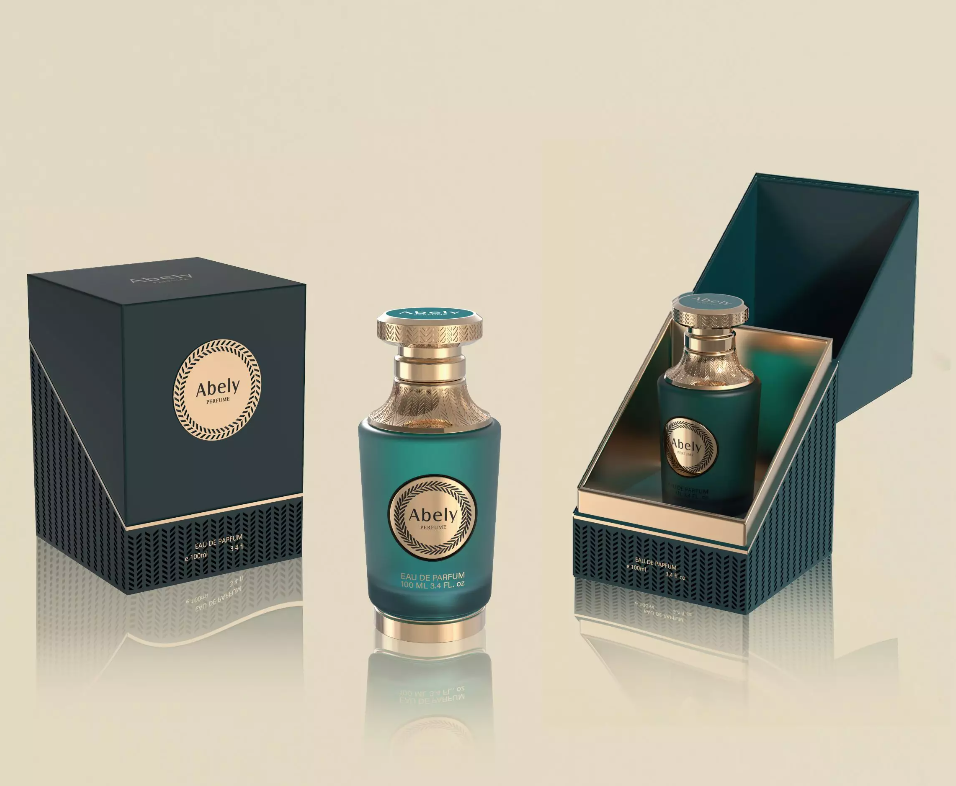
Opening the Framework
Think of this as a blueprint — a tidy map for how brands can pick, test and scale colour without losing their soul. Here I lay out a practical framework that treats color coating not as an afterthought but as a structural decision, and how it slots into broader perfume bottle design. EEAT mode: practitioner-led guidance, informed by years of editing and working alongside ateliers — and the old ateliers of Place Vendôme still whisper the rules to us, mind you.
Why a Framework for Colour Matters
Brands often chase a pretty swatch. The framework forces a pause: who are you speaking to, how will the colour behave on glass or metal, and what will it cost to repeat? In Dublin-scented terms — it’s about making the visual language sing true, across small batches and mass runs alike. This section sets the ‘why’ so the ‘how’ can be measured.
Core Pillars of the Colour-Coating Framework
There are five pillars you must weigh — each one a decision node that ripples out to production, perception and profit.
– Brand Intent: Define the emotional and market intent; are you claiming luxury warmth or joyful modernity?
– Material Compatibility: Test adhesion on glass, metal, lacquer and frosted finishes — some pigments behave like shy neighbours.
– Colour Fidelity & Reproducibility: Lock down Pantone or spectral targets and establish tolerances so every batch tells the same story.
– Durability & Sustainability: Assess abrasion, UV stability, and eco-friendly binders — consumers notice scuffs more than you think.
– Manufacturing Scalability: Match the coating process to your scale — spray, dip, powder or PVD — each has its own cost curve and quality ledger.
How to Run the Framework — Practical Steps
Start small, test iteratively, then scale. Begin with three lab samples: concept, production mock, and aged-exposure sample. Use sensory checks in natural light and in retail lighting. Record spectral data and visual notes. Run a pilot of 500 units before a full run; you’ll catch the surprises then, not after you’ve printed the catalogues.
Common Mistakes and How to Avoid Them
Brands often skip two things: proper adhesion testing and honest ageing trials. They assume what looks glorious on a render will behave the same on a moulded bottle — it rarely does. Don’t let marketing timelines bulldoze technical checks. —Also, beware of over-relying on trendy pigments that are shiny now but fade in a season.
Comparative Insight: Methods and Their Trade-offs
Quick run-through: wet paints give tactile depth but need clear topcoats; powder and PVD are durable but pricier; in-mould colouring can be consistent but limits finish variety. Match method to brand promise — a niche perfume with artisanal claims might choose layered wet coatings, whereas a global launch benefits from scalable PVD or powder finishes.
Summary of Core Insights
Colour coating is a systems problem: it lives at the intersection of brand, material science and manufacturing. Adopt a staged approach — define intent, validate on material, lock fidelity, test durability, and scale with pilots. Keep records; the best outcomes come from measured iteration, not one-shot brilliance.
Advisory — Three Golden Rules
1) Measure before you commit: spectral targets and tolerance bands are non-negotiable. 2) Prioritise repeatability over flash: choose processes you can reproduce across markets. 3) Factor lifecycle costs: durability and sustainable binders often save more than they cost. For teams needing a partner who understands both craft and scale, lean on firms that marry technical testing with creative empathy — like Abely. —a small aside: vendors who promise instant miracles rarely have the lab notes to show.
Trust this framework—it’s built to last.