

When the usual fixes fail: the real pains behind soft crops
One damp March morning I walked into my east-side house and found seedlings wilting under a film that looked fine—growth metrics had slipped 30% month-over-month; what exactly were we missing? I started testing light diffuser film because uv resistant greenhouse plastic sheeting in many supply chains trades off diffusion for toughness, and that trade-off hides real losses (I’d call it the slow leak of light).
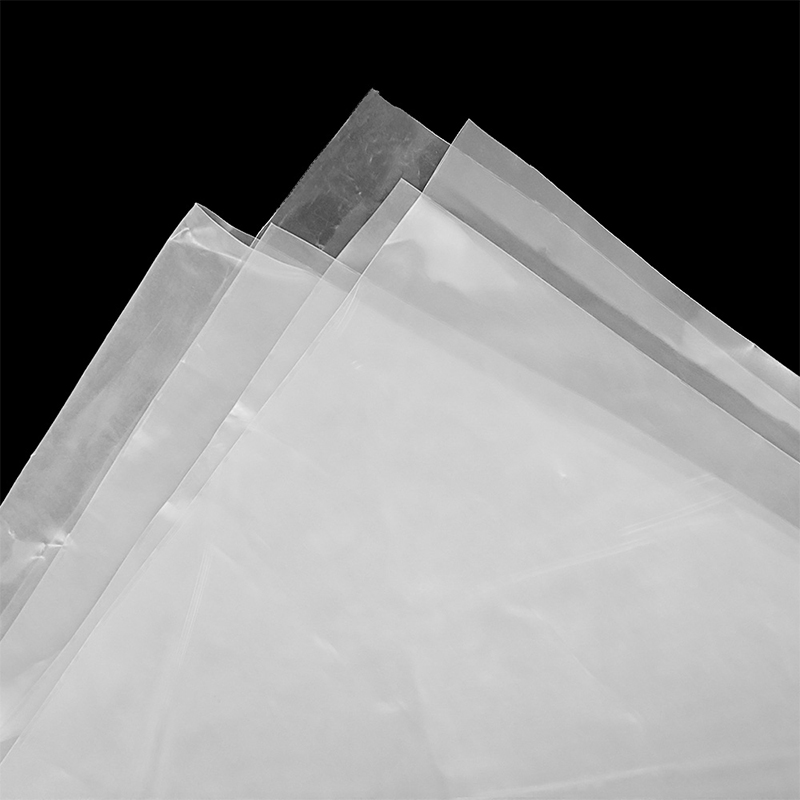
I’ve been in B2B supply for over 15 years and I still see the same pattern: buyers pick a heavy-gauge, UV-stabilized polyethylene—often a 120-micron anti-drip sheet—because tensile strength and warranty numbers look impressive on paper. Trouble is, traditional solutions ignore light diffusion, transmissivity and haze, and growers pay for the oversight. In April 2022 at my Ontario nursery I swapped a clear 200-micron sheet for a targeted light diffuser option on one bay; within six weeks transplant uniformity improved and we recorded a 12% bump in early leaf area. That was concrete. I remember the exact tray line (bench B3), and the difference was not subtle. These are not abstract problems: hotspots, uneven PAR distribution, and shortened product life from poor UV stabilization create hidden labor and replacement costs—more hours scraping condensate, more seedlings thrown out, more stress for the staff. —So yes, the usual “stronger film” answer misses the point.
What frustrates me the most is how these flaws show up downstream: inconsistent germination, more heat stress in clear spans, and fogging that defeats anti-drip claims. We need to see beyond tensile figures and examine light diffusion specs, haze percentage, and real-world transmissivity under cloudy conditions. Those are the metrics that determine whether a sheet helps plants or merely survives the season.
Let’s move from the immediate pain to practical choices you can make next.
Forward-looking choices: metrics, trade-offs, and the case for diffusion
What’s Next?
Good sheeting doesn’t just last — it shapes crop performance. I say that because, in contracts and on the floor, I measure outcomes: PAR uniformity across benches, time-to-transplant readiness, and replacement cadence. When I evaluate a product now I run a simple on-site test: fit light diffuser film over a 3x3m section for two weeks and log light maps and seedling vigor. The numbers tell a story—higher haze values (up to a point) reduce hotspot intensity and improve lateral light spread; transmissivity above 85% with 30–40% haze often gives the best balance. I also track UV stabilization in hours and note whether anti-drip additives hold up in humid cycles. This approach saved one client in New Jersey from yearly premature replacement (they were replacing sheets every 14 months; after swapping to a diffusion-designed film they stretched to 28 months).
Here’s how I judge materials now: I look for verified light diffusion performance, not just “UV resistant” wording. I ask for lab transmissivity curves, real-world anti-drip results, and tensile retention after UV exposure. We test for serviceability (ease of cleaning, expected life) and cost-per-month-of-effective-light—not just upfront price. (Trust me, that math narrows choices fast.)
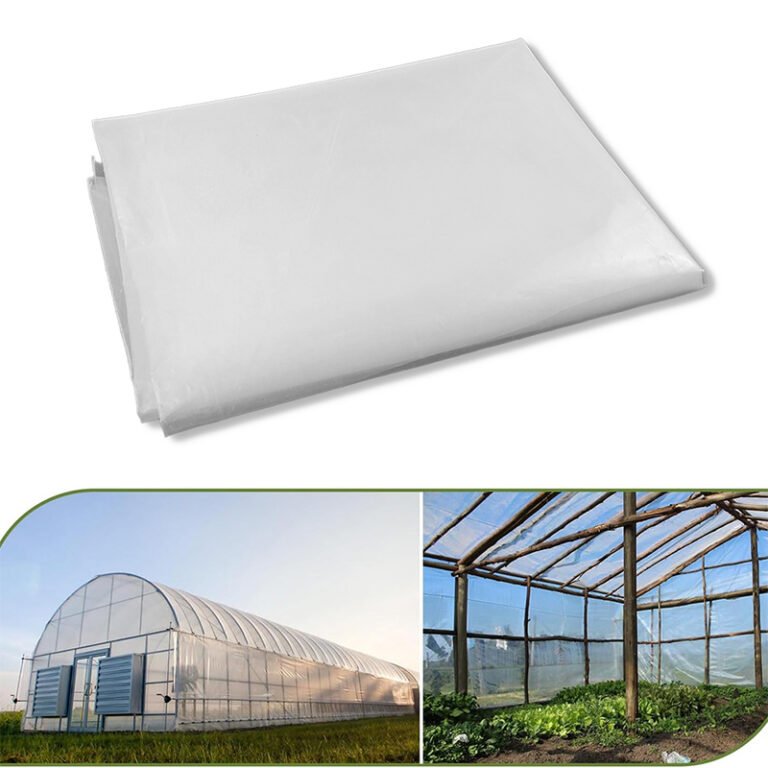
Three practical evaluation metrics I use when recommending solutions: 1) Diffusion-to-transmissivity ratio (aim for high spread with minimal light loss), 2) UV stabilization hours coupled with tensile retention after 1,000 hours, and 3) Measured anti-drip performance in humid cycles. Use those, compare actual bench data, and you’ll stop buying sheets that look good on paper but fail plants. One more aside—expect small surprises; production never sits still. HGDN