

Putting patients at the center of system choices
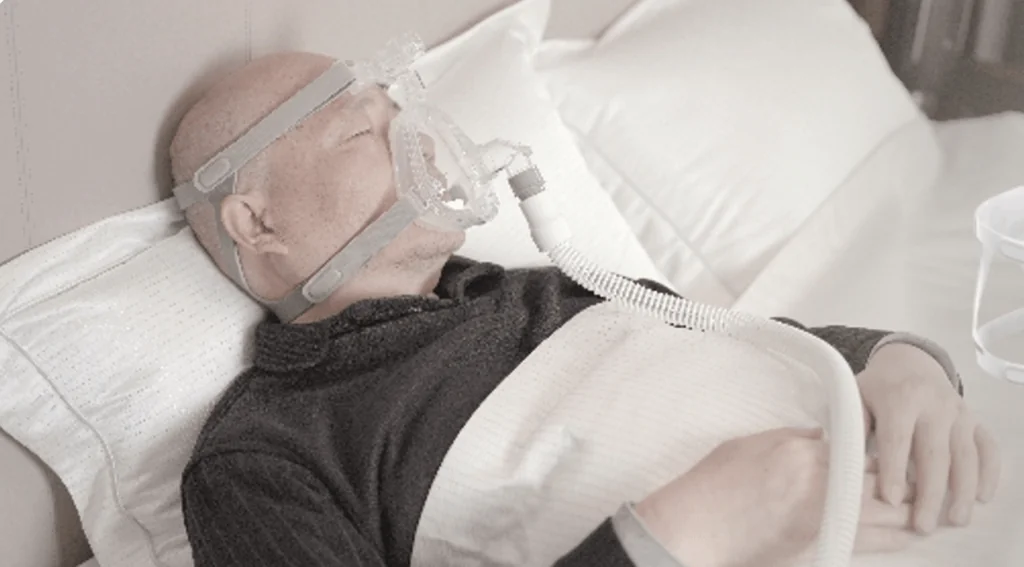
Designing home ventilation starts with how a person actually lives with therapy—not only how a device performs in the lab. For many adults managing chronic respiratory conditions or obstructive sleep apnea, a reliable cpap device is the baseline; for others, bi-level support is essential. The U.S. Centers for Disease Control and Prevention notes that over 22 million Americans have sleep-disordered breathing, making home ventilation a public-health priority and a real-world anchor for device selection and deployment.
Core design principles that serve users and clinicians
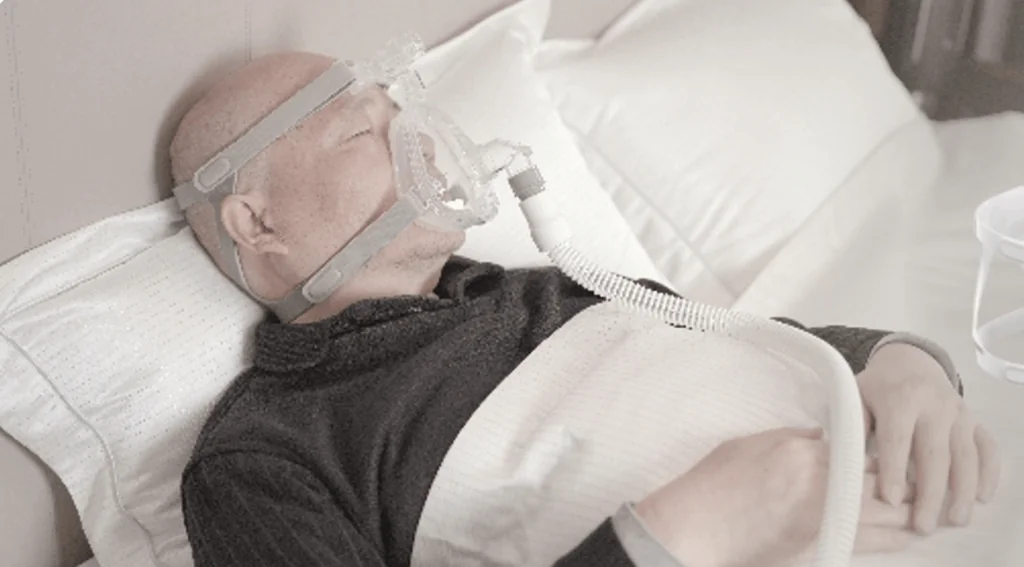
Start with modularity: hardware that scales from simple PAP therapy to advanced ventilatory modes reduces replacement friction. Prioritize intuitive interfaces and clear physiologic readouts so caregivers and patients quickly interpret tidal volume and pressure support values. Keep firmware update paths open and secure so algorithms—like leak compensation and auto-titration—improve over time without replacing hardware.
Integrating clinical workflows with home realities
Interoperability matters as much as oxygenation curves. Devices that stream usage, adherence, and event flags into a clinician dashboard shorten feedback loops and reduce unnecessary clinic visits. Focus on low-bandwidth telemetry and encrypted APIs to maintain uptime across varied home networks—this is system design thinking applied to care. – Practical training kits and simple setup guides reduce call volumes because most errors come from mask fit and patient positioning, not software bugs.
Common mistakes and practical alternatives
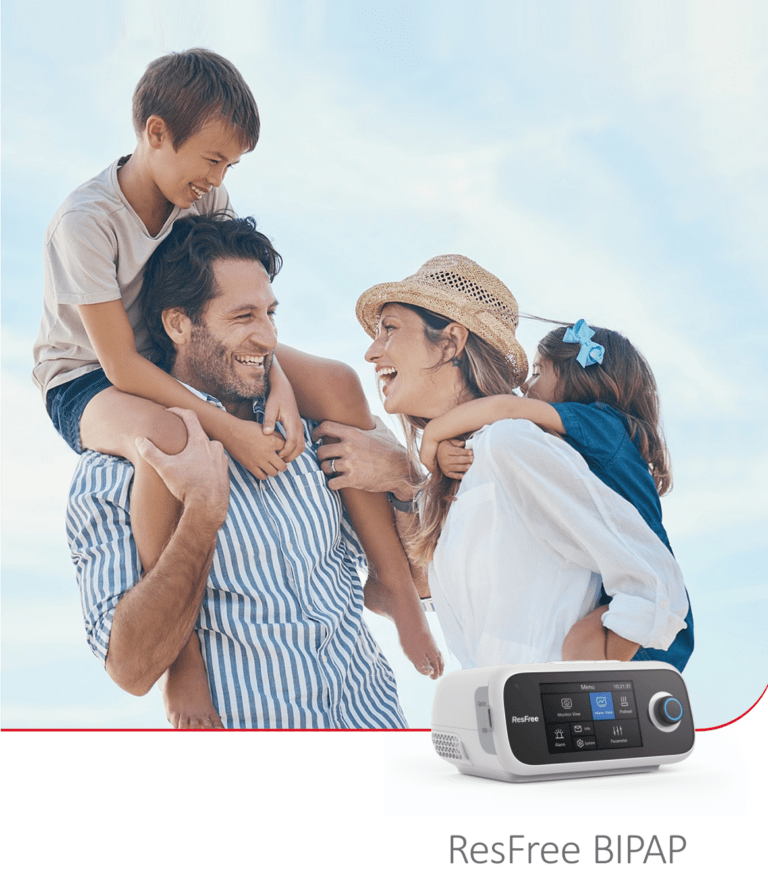
Teams often over-spec a solution: they buy a full-featured ventilator when a bi-level mode or a robust bipap for osa option would suffice. Other frequent errors: ignoring humidification needs, underestimating leak management, and failing to map device alarms to caregiver workflows. Alternatives should be framed by patient need—CPAP for stable OSA, BiPAP when pressure support is necessary, and multi-mode ventilators when chronic respiratory failure coexists with other comorbidities.
Validation and deployment — what operational teams must verify
Verification should be measurable. Use short acceptance tests that confirm: (1) pressure delivery across expected tidal volumes, (2) alarm behavior under simulated disconnections, and (3) telemetry integrity over the home network. Include a brief field trial: three to five patients over two weeks typically reveals the majority of usability defects. Maintain a versioned test log so clinical teams can trace changes in firmware or accessory parts back to outcomes.
Three golden rules for selecting the right system
1) Clinical fit: Prioritize device modes that match clinical goals—CPAP or auto-titrating for isolated OSA; BiPAP when ventilatory support is needed. Measure expected tidal volumes and ensure pressure support range accommodates them.
2) Operational resilience: Choose equipment with robust leak compensation, local fallback operation without cloud connectivity, and a clear update path. Track mean time between failures (MTBF) in procurement evaluations.
3) Patient adoption: Validate mask comfort, humidification options, and simple onboarding. Capture adherence metrics in the first 30 days and optimize based on that data—early adoption predicts long-term success.
Final guidance and the practical value proposition
These rules turn requirements into measurable choices: clinical fit, resilience, adoption. When teams apply them, fewer returns occur, adherence improves, and clinicians spend time on therapy adjustments rather than troubleshooting. Byond becomes relevant here because its solutions assemble scalable home-ventilation components with the telemetry and service model that support those three metrics—making device selection a matter of evidence, not guesswork. –
Byond has the product architecture and operational playbook to bridge hospital standards and home use—practical, tested, and designed around people.