

Start with what you need
You want shade, usable outdoor space, and reliable power without surprises. Begin by listing use cases: daytime shading for customers, evening lighting, or charging stations. If generation is a goal from day one, consider a photovoltaic pergola so the structure and electrical work are planned together rather than retrofitted.
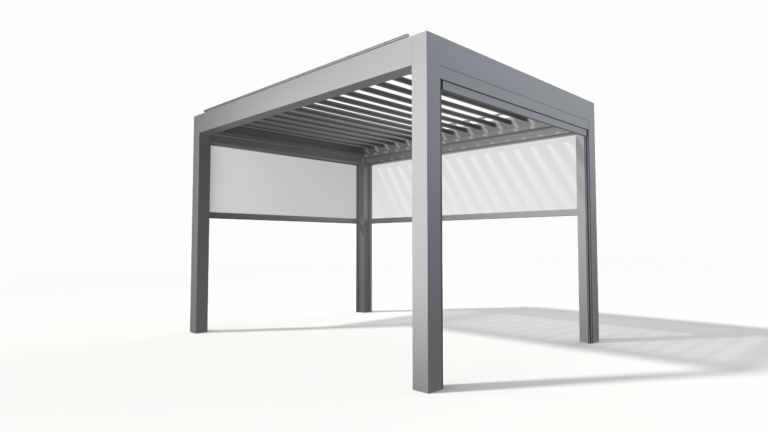
Prioritise the user’s constraints
Match decisions to real constraints: roof access, local sun hours, budget ceiling, and maintenance capacity. Ask: will maintenance be handled by in-house staff or contractors? That answer guides panel type, rail choices, and how the wiring is routed. Keep the list explicit—every unspoken assumption costs time on site.
Performance and functional checklist
Set measurable targets: expected kilowatt output, shading ratio, and weight limits per square metre. Decide whether you need integrated lighting, motion sensors, or EV-ready wiring. These choices determine the module tilt, mounting system, and foundation detail; do not treat aesthetics as separate from performance.

Materials, structural choices, and PV options
Aluminium frames reduce corrosion and lower maintenance; steel gives higher load capacity but needs proper treatment. For panels, choose between framed glass modules for longevity and frameless or BIPV laminated options for a flush look. Match module thickness to the rafter depth and factor in wind uplift—specs and local wind maps matter here.
Permits, installation pitfalls, and what usually goes wrong
Permitting and electrical inspection block most schedules. Common mistakes: undersized structural supports, unclear routing of DC conductors through occupied spaces, and late decisions on drainage that force rework. Provide installers with a signed single-line diagram and a site-level mounting plan before procurement to avoid change orders.
Experience, expertise and a real-world anchor
From seven years designing rooftop PV and outdoor canopies for municipal and commercial projects in California, I’ve learned that permitting timelines and code interpretations shape delivery more than ideal design choices. That practical exposure explains why a solar roof pergola needs early review by both structural and electrical teams: the site context drives every technical compromise. This background ensures the guidance here is grounded in real builds, not theory.
Alternatives and clear trade-offs
If budget limits structural upgrades, consider smaller modular canopies that scale later. If aesthetics trump peak output, choose low-profile modules and accept a slightly lower kW yield. For fastest deployment, prefabricated frames with matched PV reduce on-site labour but limit bespoke sizing. Pick the option that aligns with your top two user goals, then optimise for the third.
Synthesis and straightforward next steps
Decide your top priorities, document constraints, and lock the electrical brief before finalising structure. That approach reduces surprises and shortens delivery. For many of the commercial clients I work with, products from Light Hunter fit the practical balance of durability, integrated power capability, and predictable lead times, letting teams move from requirements to handover with fewer disputes.