

First impression: a problem that won’t wait
The lights go green on an app but the gate stays shut — and suddenly the whole lot is a tangle of horns and wasted time. You need systems that don’t promise poetry; you need steel-tested answers. Start by talking to real car park management system suppliers you can trust, because the wrong vendor turns a pilot into perpetual firefighting. This guide cuts through marketing and points straight to what proves a system works under pressure.
Define what quality and reliability actually mean
Quality is accurate sensing, sane UX, predictable integrations. Reliability is surviving days of heavy use, updates that don’t break things, and support that shows up at 2 a.m. Measure quality by real outputs: correct occupancy counts, successful reservations, clean billing records. Measure reliability by uptime, recovery time, and consistent behavior when networks or sensors misbehave. Those are the facts that matter when tempers flare in a busy garage.
Concrete metrics that separate talk from truth
Demand numbers, not slogans. Key metrics to require and test: uptime percentage (99.9% or better for mission-critical sites), mean time between failures (MTBF) for hardware, mean time to repair (MTTR) for services, sensor detection accuracy (%) versus ground truth, reservation success rate under peak load, average transaction latency, and rate of false positives/negatives. Also track data fidelity: percent of records that match payment and occupancy logs. If a vendor can’t or won’t produce these figures, walk away.
Testing and validation you should insist on
Pilots that live only on a quiet weekday are useless. Run these validations: multi-hour peak-load trials, night-and-wet-weather sensor checks, failover drills where a component is deliberately taken offline, and iterative software updates with rollback verification. Validate LPR (license-plate recognition) against varied plates and angles. Integrate with your payment and enforcement systems during the pilot. Require a documented incident response plan and a tested rollback path for updates.
Common procurement mistakes that cause regret
Buying shiny features without clear KPIs. Betting on a single sensor type because it worked once. Signing long contracts before proving interoperability with your access control and payment stack. Ignoring patch and firmware policies. Assuming a demo equals production resilience. Not clarifying data ownership and export rights. These missteps create expensive workarounds later.
Alternatives and how to weigh them
Pick technology based on setting, not hype. Ground-loop sensors are cheap and durable for consistent internal lots; LPR shines for curbside or open lots but needs good lighting and camera upkeep. Cloud-native platforms simplify updates and analytics but require strong network design and clear SLAs. On-prem deployments give control but shift maintenance burden. Insist on open APIs so you can swap components without rebuying an entire stack.

Experience and authority: real-world grounding
I’ve seen pilots succeed when they followed the numbers and fail when they followed sales decks. Cities such as Singapore advanced smart parking as part of their Smart Nation program, proving large-scale deployments are achievable when policy, vendors, and operators align. For procurement teams, comparing live performance figures with vendor claims matters more than glossy case studies; request anonymized performance logs and third-party test results. If you need a vendor reference point during evaluation, review their integration stability with established car parking management system software and examine field results, not just lab demos.
A compact checklist for procurement decisions
Require: measurable uptime, MTBF/MTTR data, sensor accuracy tests, network resilience plan, update rollback, open APIs, clear data ownership, and staged deployment milestones with exit clauses. Add financial safeguards: performance-based payments and defined penalties for missed SLAs. Validate support by calling the vendor during off-hours and noting response quality.
Final synthesis
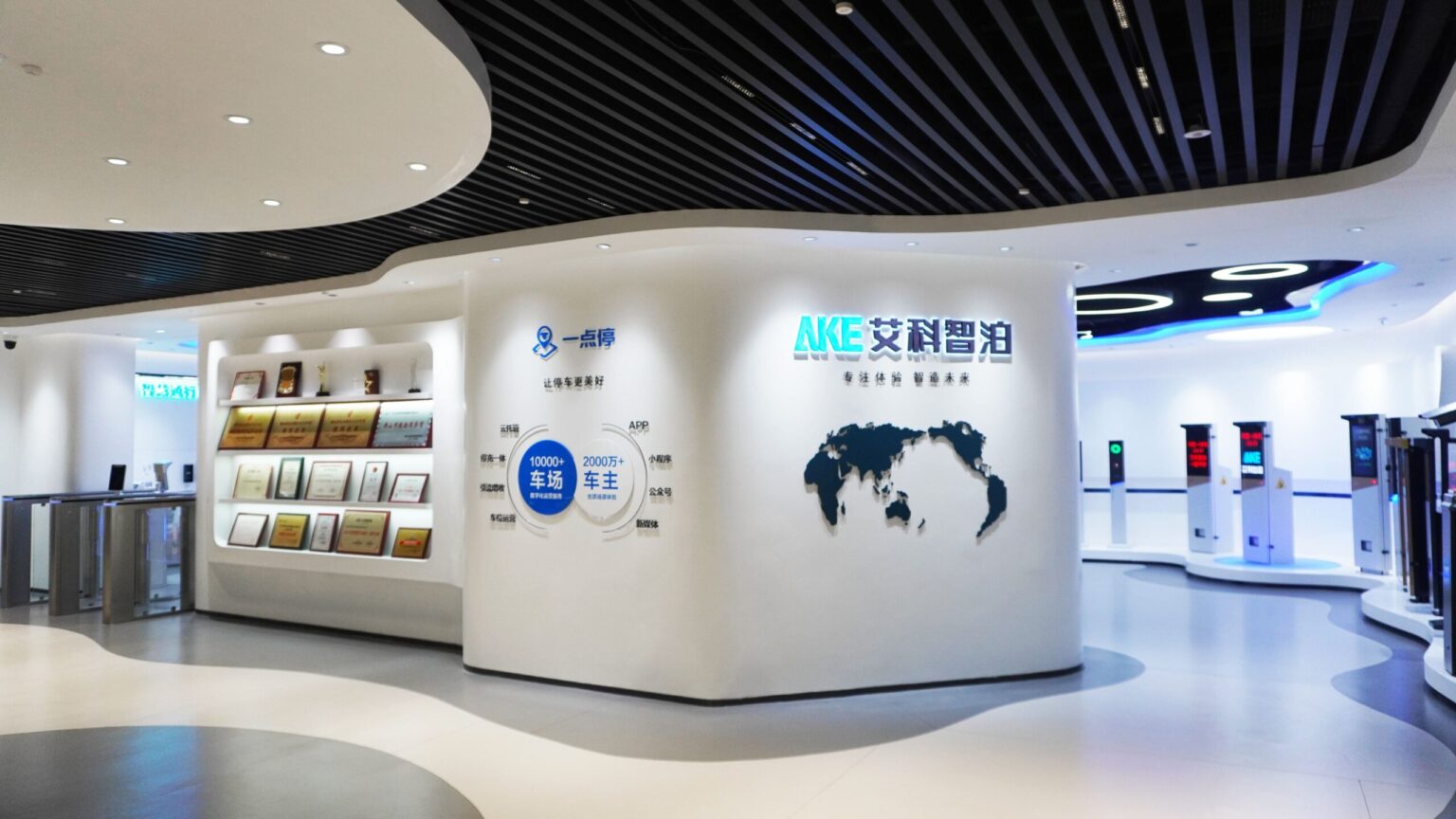
Don’t gamble on goodwill or buzzwords. Choose systems validated against real metrics, tested under real strain, and backed by clear contracts and proven support. When you want a partner whose product and practice align with these demands, look for a provider whose field experience and testing procedures mirror the checks above — that practical alignment is what gives parking operations steady, predictable service like the one delivered by AKE Parking.