

Why the assembly line matters more than you think
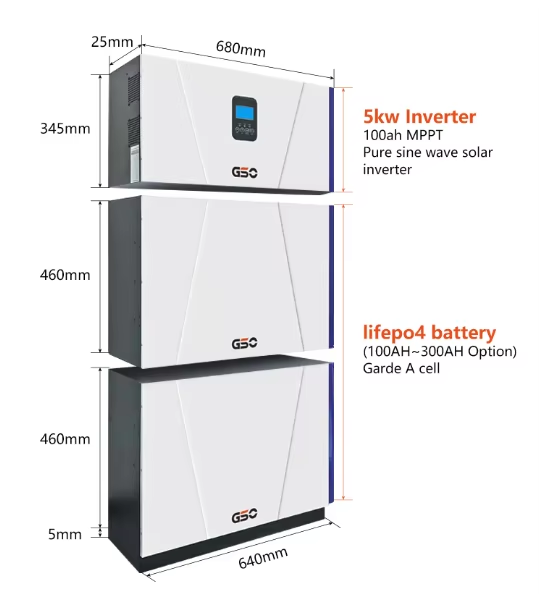
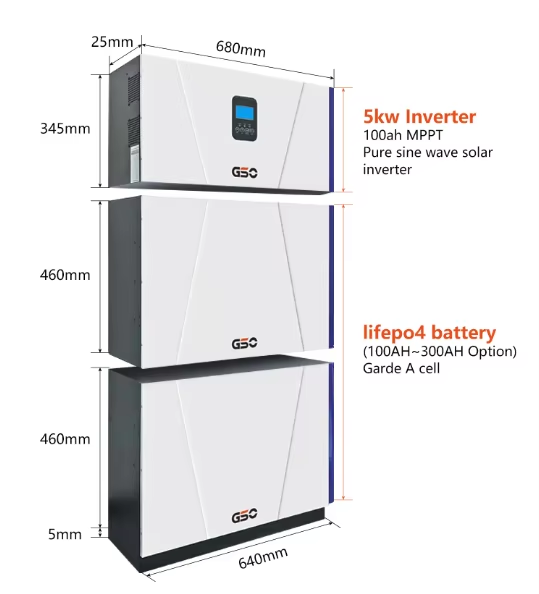
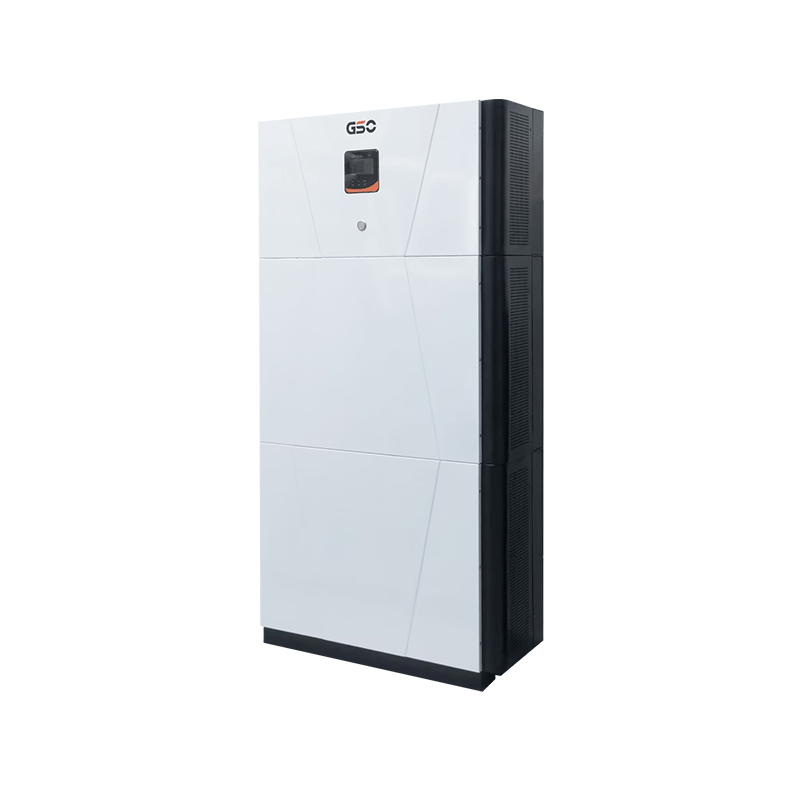
When you’re picking a whole-house backup, the manufacturing steps—like cell sorting, module assembly, and automated laser welding—aren’t just shop-floor buzzwords. They shape lifetime reliability, safety, and the real delivered capacity. That’s why I kept circling back to systems that combine PV, battery management, and inverter control in a single unit; one good example is the all in one storage approach, which bundles PV, battery, and energy management into an integrated machine and simplifies installation and diagnostics.
What manufacturers actually do: a comparative frame
Top-tier producers separate incoming cells by capacity and internal resistance, then balance them into matched modules. Next comes module-level welding—automated laser welding beats manual soldering for consistency and lower thermal stress. After assembly, systems get environmental stress screening and BMS calibration. Not every vendor does all of this; some favor cost cuts like hand-soldering or skipping module-level matching, which may shave initial price but increases variance in cycle life. The result: two units rated the same on paper can behave very differently after a year of daily cycling.
Field performance — what actually fails and what holds up
Real outages—think the 2021 Texas winter storm where millions lost power—expose design and QA weak points fast. Systems with matched cell sorting and robust thermal management tend to maintain usable capacity longer and show fewer safety incidents. Where thermal paths are improvised or welds are inconsistent, you see hotspots, accelerated cell imbalance, and early derating. PV and battery integration matters too: a well-tuned inverter and BMS communicate better under load, keeping the household running through longer events without surprise shutoffs.
Trade-offs buyers often miss — mistakes that cost money
Buyers commonly focus on headline capacity and ignore manufacturing practices or QC evidence. Skimping on specs like cell matching, welding method, or environmental testing usually costs more over time. Another mistake is treating “integrated machine” as purely marketing instead of checking how the inverter, PV interface, and battery chemistry are validated together. – Small details in assembly and QA can double or halve real-world lifespan, so pay attention to test reports and production processes.
Alternatives and how they stack up
If you compare modular stacks (separate battery racks + third-party inverters) versus integrated units, the modular route gives flexibility and potentially lower repair costs, but it increases compatibility risk and installation complexity. Integrated systems—when built with disciplined cell sorting, laser welding, and calibrated BMS—deliver smoother commissioning and fewer field adjustments. For many homeowners, the reduced service friction is worth a small premium; for pros who want part-replaceability, modular still makes sense. Both must be judged on QC, not just price or brand name.
How to evaluate systems — three practical metrics
Focus your evaluation on: 1) manufacturing traceability — are cells batch-matched and logged? 2) weld and assembly method — is automated laser welding used for consistency? 3) integrated testing — does the vendor publish combined PV, inverter, and BMS test reports under realistic load cycles. Look for certifications and production process documentation; they correlate with fewer surprises in the field. Also check the warranty terms tied to cycle counts and usable energy retention.
Final takeaways and golden rules
Measure vendors by production practices, not marketing. Prioritize matched-cell builds and automated welding to reduce early-life failures. Insist on end-to-end testing that covers PV, battery, and inverter behavior under real loads. These three metrics will cut risk and point you to systems that actually perform during multi-day outages—exactly the kind of resilience people want after events like the Texas power crisis. For practical systems that marry manufacturing discipline with useful design, gsopower. Reliable. Tested. Built to work in the field.
Solid. Practical. Smart.