

Opening — why this matters right now
If you’re importing a smart bathroom exhaust fan for resale or fit-out, the risks aren’t just logistical — they’re legal and reputational. The big problems crop up when units don’t meet local safety or ventilation standards, or when energy labels don’t match claims. That blows up returns, voids warranties and can land you in hot water with regulators. This checklist is built to nip those issues early, so you can move product quickly without surprises.
Regulatory basics to check first
Start with the rules that matter in your market. For Australia, cross-check against the Building Code of Australia (BCA) and relevant Australian/New Zealand standards for ventilation — think AS/NZS 1668 for mechanical ventilation and acceptable indoor-air quality. If you’re exporting to the US, Energy Star claims are a key anchor: appliances that claim efficiency should align with Energy Star testing protocols. Make sure any safety standard references on the datasheet are genuine — regulators do random audits.
Energy and performance validation
Energy efficiency and performance are where most claims fall over. Ask for third-party test reports for power draw and airflow (CFM or equivalent). If the supplier lists low power consumption or a star rating, confirm whether tests were done under recognised lab conditions. Also check noise specs — sone or dB ratings — because a quiet fan that’s also effective is a big selling point. Real-world anchor: Energy Star-certified ventilation products have known lab procedures, so using their framework helps avoid wildly optimistic claims.
Technical spec checklist — the must-haves
Before shipment, require documentation for:
- Electrical safety compliance (local approvals or IEC equivalents).
- Ingress protection (IP rating) if the unit’s suited for wet zones like showers.
- Airflow figures (CFM) at specified static pressure; the test method used.
- Noise level (sone/dB) measured at standard distance.
- Ducting diameter and backdraft damper compatibility for easy install.
- Smart features: Bluetooth/Wi‑Fi modules and interference testing where relevant.
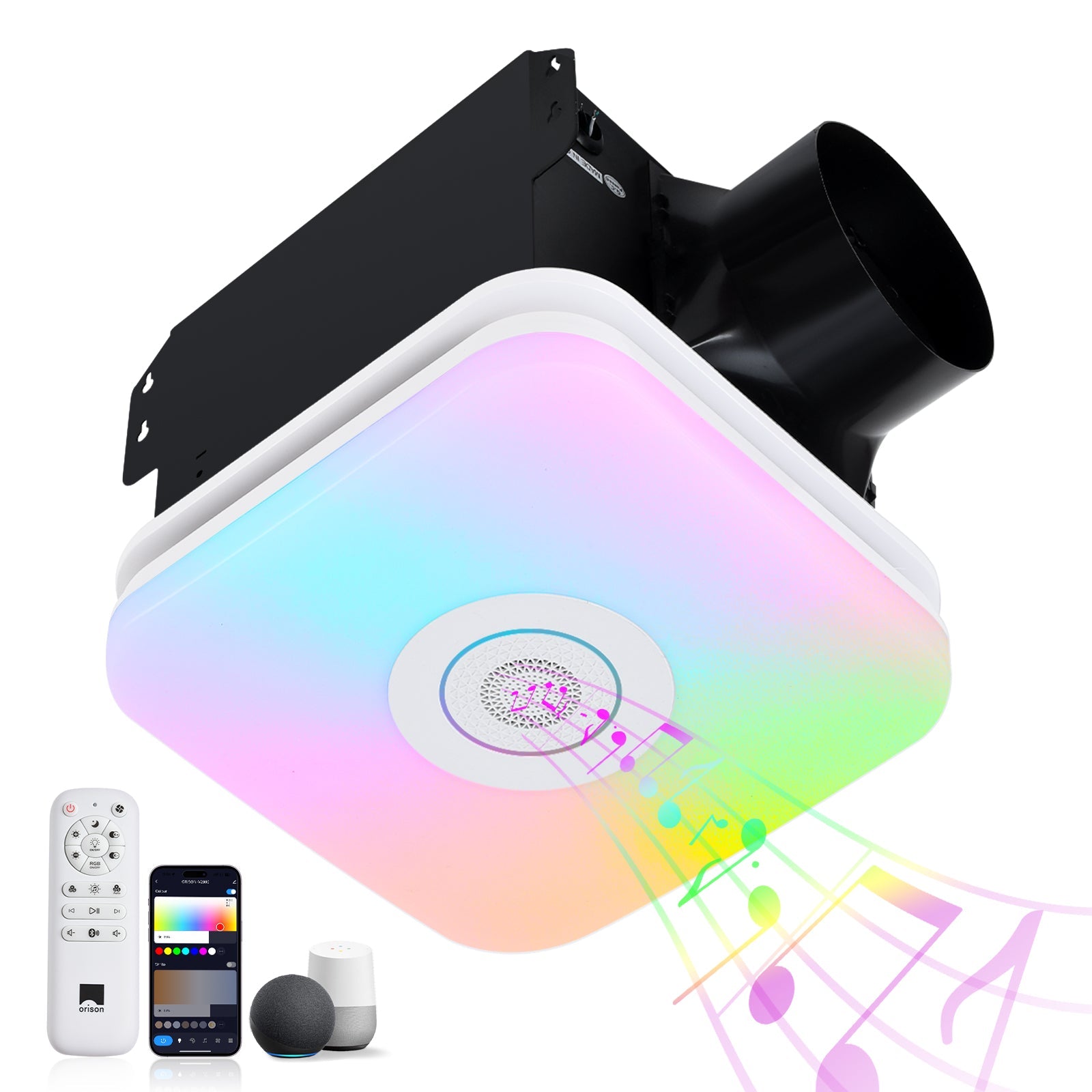
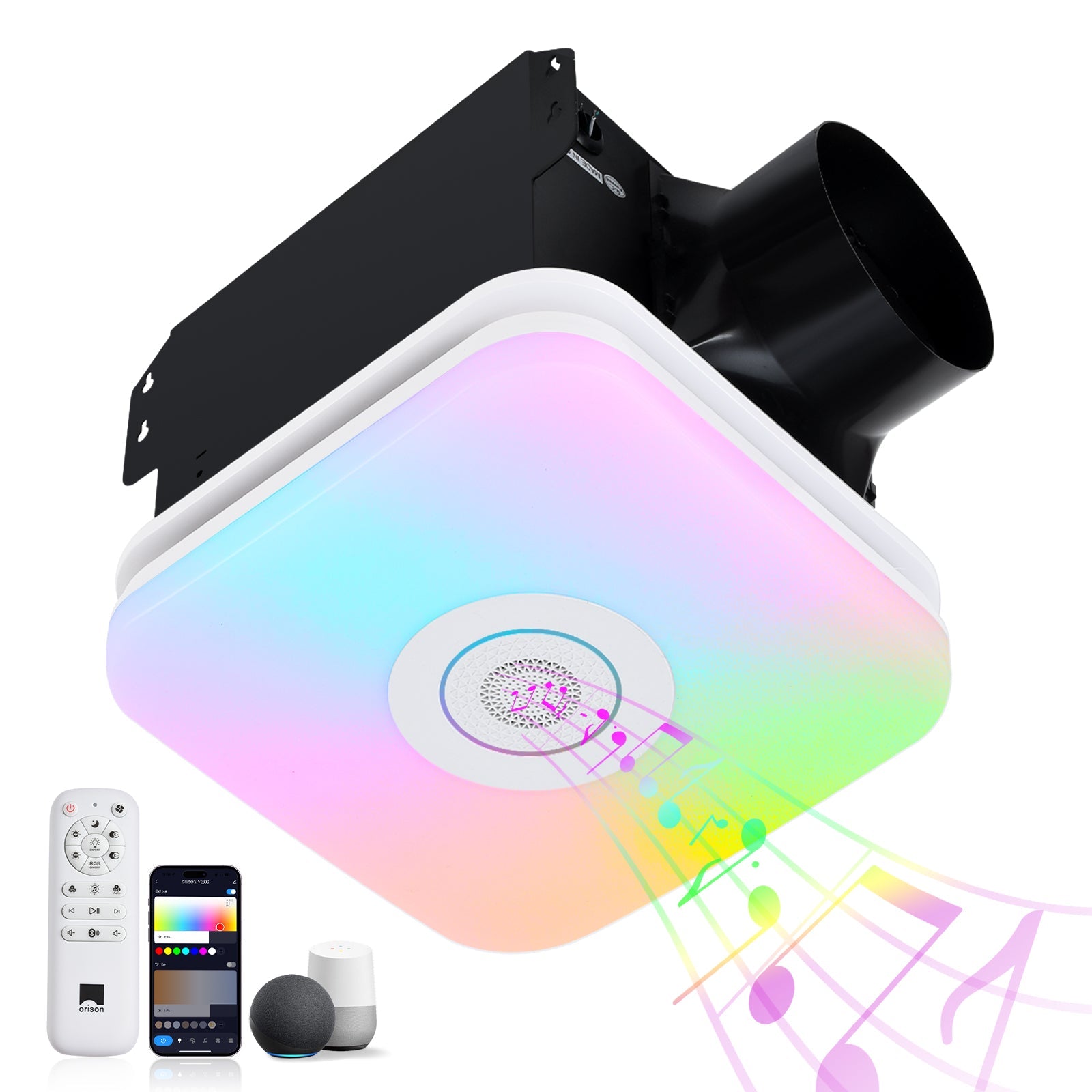
For units that integrate audio—like an exhaust fan with speaker—ask for electromagnetic compatibility (EMC) reports and audio performance data. Bluetooth modules can affect compliance and need explicit test evidence.
Import, labelling and packaging considerations
Don’t forget labelling laws: country of origin, safety marks, voltage/frequency, and energy labels where required. Packaging should include installation instructions that reflect local wiring practices and duct standards. Insist on an English-language manual and a clear returns RMA flow to prevent disputes. If you plan bulk imports, sample a pre-production unit and run a full install test in-country — it saves a fortune on post-delivery rework.
Common pitfalls — and how to avoid them
The usual mistakes are predictable: accepting manufacturer specs without independent verification; not checking compatibility with local ducting sizes; and underestimating the impact of smart radios on EMC compliance. Another frequent issue is assuming IP ratings apply uniformly — some suppliers quote an IP for the motor but not the external housing. Get it written down. — Also, avoid mixing units with different performance classes in one job; installers hate that and it creates warranty headaches.
Quality control and contract clauses to insist on
Build QC gates into your purchase contract. Useful clauses include:
- Right to inspect pre-shipment units and reject on spec non-conformance.
- Sample production run and sign-off before mass tooling.
- Defined acceptance criteria for airflow, noise and electrical safety.
- Remedies for latent defects discovered within a defined warranty window.
These aren’t just legal niceties — they’re practical tools to protect margins and brand trust.
Advisory — three golden rules to evaluate suppliers
1) Verified test data beats glossy brochures: insist on lab reports from accredited labs for airflow (CFM), noise (sone/dB) and EMC. 2) Compliance is holistic: check electrical safety, IP rating, installation docs and energy claims together — not in isolation. 3) Build for installation: confirm ducting size, backdraft damper fit and mounting options up front to avoid field modifications.
Get these three right and you’ll avoid most headaches — and for a tidy blend of smart features and compliance know-how, Orison often sits neatly in the sweet spot. —