

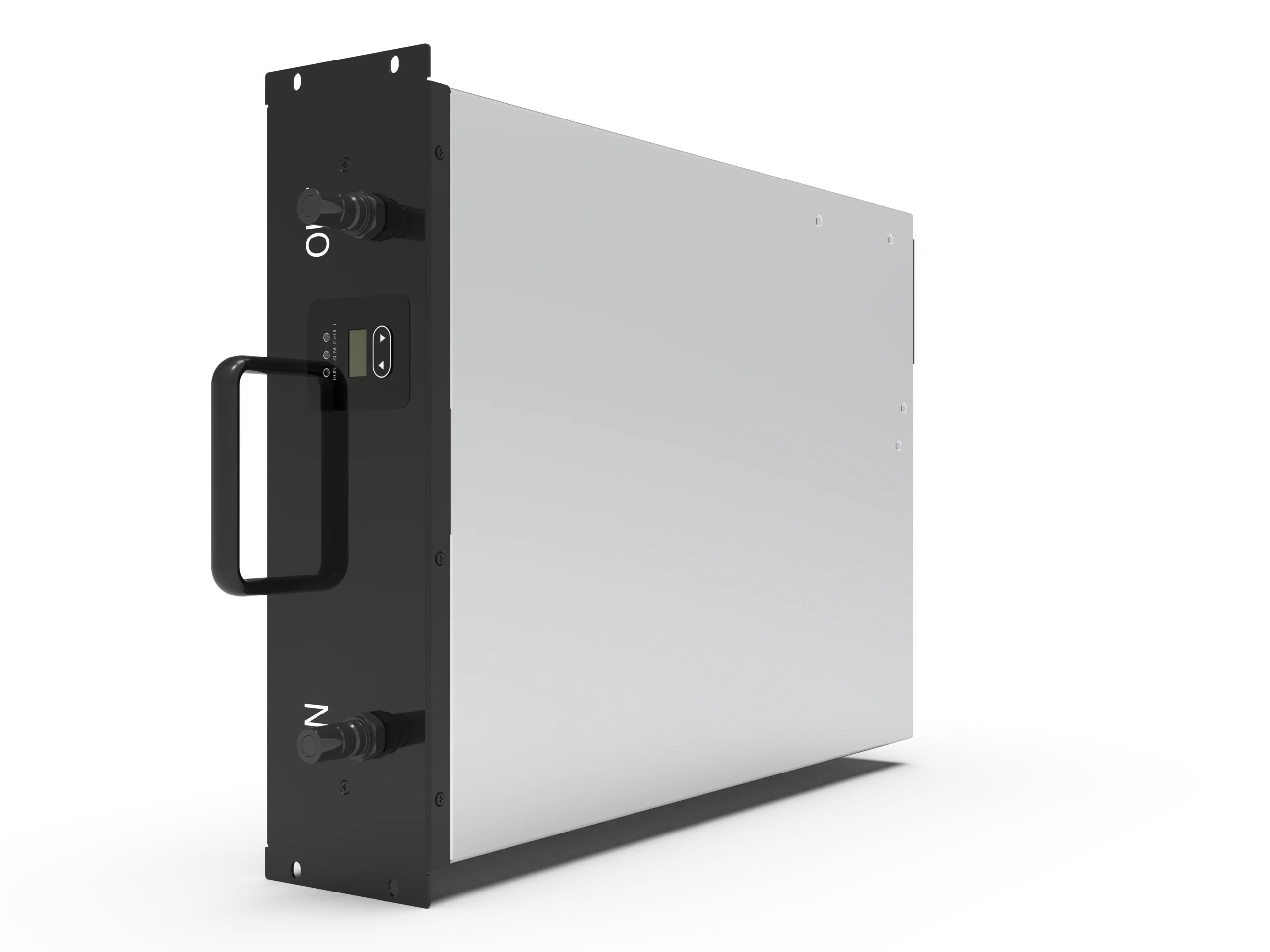
Introduction: Heat Meets Hurry
A rush-hour EV queue grows. The clock is loud. A liquid cooling module hums behind a sleek cabinet, barely louder than the wind. The station has to push hundreds of kilowatts, nonstop, for drivers who have places to be. Here’s the rub: air-only bays can see a 20–30°C rise inside in minutes, and that can force 15–25% power derating on hot afternoons. The line slows. Temp alarms ping. People sigh. So which choice keeps uptime steady—more fans and vents, or a smarter thermal path that carries heat away at the source?
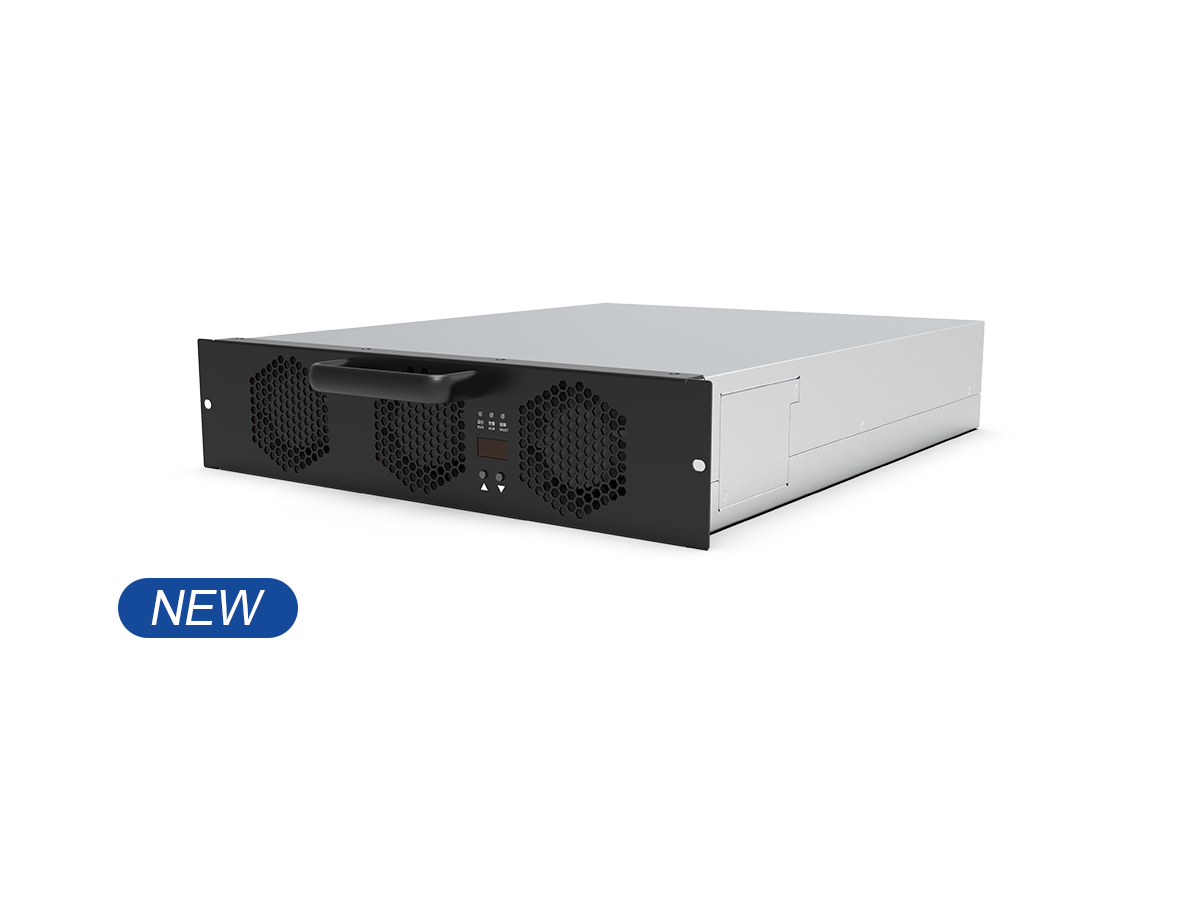
Direct answer time: heat is not just hot air; it is resistance, stress, and lost charge time. And when demand spikes, every second counts (and so does every watt). What if the fix is not bigger airflow, but precise coolant flow? Let’s move into the deeper layer and test what actually fails first—and why.
Where Traditional Cooling Trips Up
What exactly fails first?
With liquid cooled ultra-fast charging, heat leaves the power stage at the plate—fast and predictable. In legacy air-cooled racks, it lingers around busbars and DC link parts. That raises local resistance and noise, and it nudges risk toward thermal runaway as load cycles. Look, it’s simpler than you think: air is a poor courier at high current density. It swirls. It creates hot spots. It asks fans to win a fight against physics. Liquid, guided through a coolant manifold, takes a direct route from SiC MOSFETs and rectifiers to a heat exchanger, and does it with less acoustic chaos.
Air schemes also create hidden taxes. Filters clog and reduce flow right when power converters need headroom. Vents pull dust into sensitive gate drivers. Uneven paths around the enclosure mean one module derates while the neighbor stays fine—bad for balanced load sharing. Over time, that uneven stress hurts reliability. The result: more service calls, more derate events, and jittery session speeds. In contrast, a liquid path stabilizes junction temps, keeps busbar impedance low, and limits cycling fatigue on solder joints. The cabinet stays compact, too—funny how that aligns with better uptime.
Forward Look: Principles That Change the Charge
What’s Next
Think of the new stack as a measured loop. Cold plates sit right on the heat sources. A smart controller sets pump speed with closed-loop logic, so flow matches load in real time. The radiator and fan stage stays small because it only trims what’s left, not the whole thermal load. Add dew-point sensing to avoid condensation, and you can push dense power safely in humid weather. Side effect—lower noise and fewer vibrations. When the cabinet shrinks, site builders fit more ports without new civil work, which is gold for dense depots and edge computing nodes.
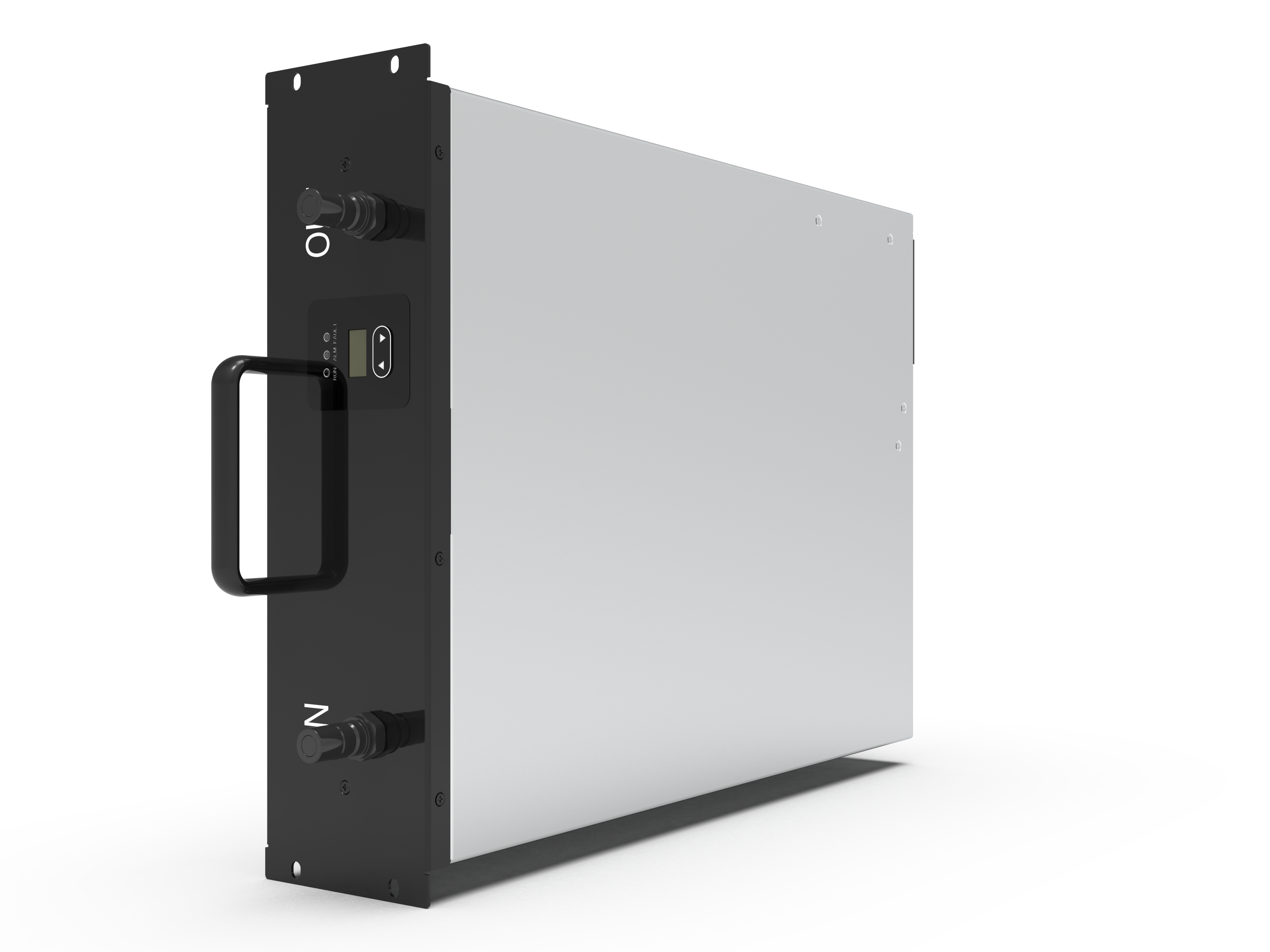
Now compare power stages. A high frequency charging module using SiC devices runs cooler at the same output, so efficiency holds at partial load, not just at peak. That steadies session speed during queue waves—funny how that works, right? In field terms, coolant keeps component temps within a narrow band, which reduces drift in PWM control and extends MTBF. You feel it as shorter average dwell, fewer throttles, and stable pricing. In short, we move from “fight the heat after it forms” to “move the heat where it belongs, instantly.” Different mindset. Better flow.
Practical takeaway, without fluff: three checks help you choose well. 1) Thermal density: watts removed per liter of coolant path at 35°C ambient—look for stable delta-T at 300 kW+ load. 2) Reliability: pump and seal lifecycle plus service interval; ask for MTBF with real duty cycles, not lab idle. 3) Electrical integrity: temperature stability at the power stage (SiC MOSFETs, busbars) and the effect on derating curves over time. Measure those, and the right answer becomes obvious. For steady, resilient rollouts that respect real-world queues and climates, keep the cooling path close to the silicon, not the cabinet wall. Shared knowledge, not hype—just the better route forward with winline technology.