

The core problem: waves ruin outdoor advertising
Outdoor LED walls look mint from a distance, but up close you can see seams and tiny waves that wreck the message. Weather, thermal expansion and imperfect mounting create micro-gaps between modules that catch light and produce visible distortion. That’s where proper led display solutions matter — not just pretty pixels but a mechanical system that keeps panels tight, even on a curved façade.
Why common fixes don’t cut it
People often try tighter bolts, shim packs or thicker bezels to hide the issue. Those are band-aids. They don’t address uneven curvature, differing module tolerances or the forces from wind and thermal shift. Pixel pitch and seam alignment alone won’t save the view; the physical interface between modules must allow controlled movement while keeping the visual plane continuous.
What the interlocking curved side-locks do
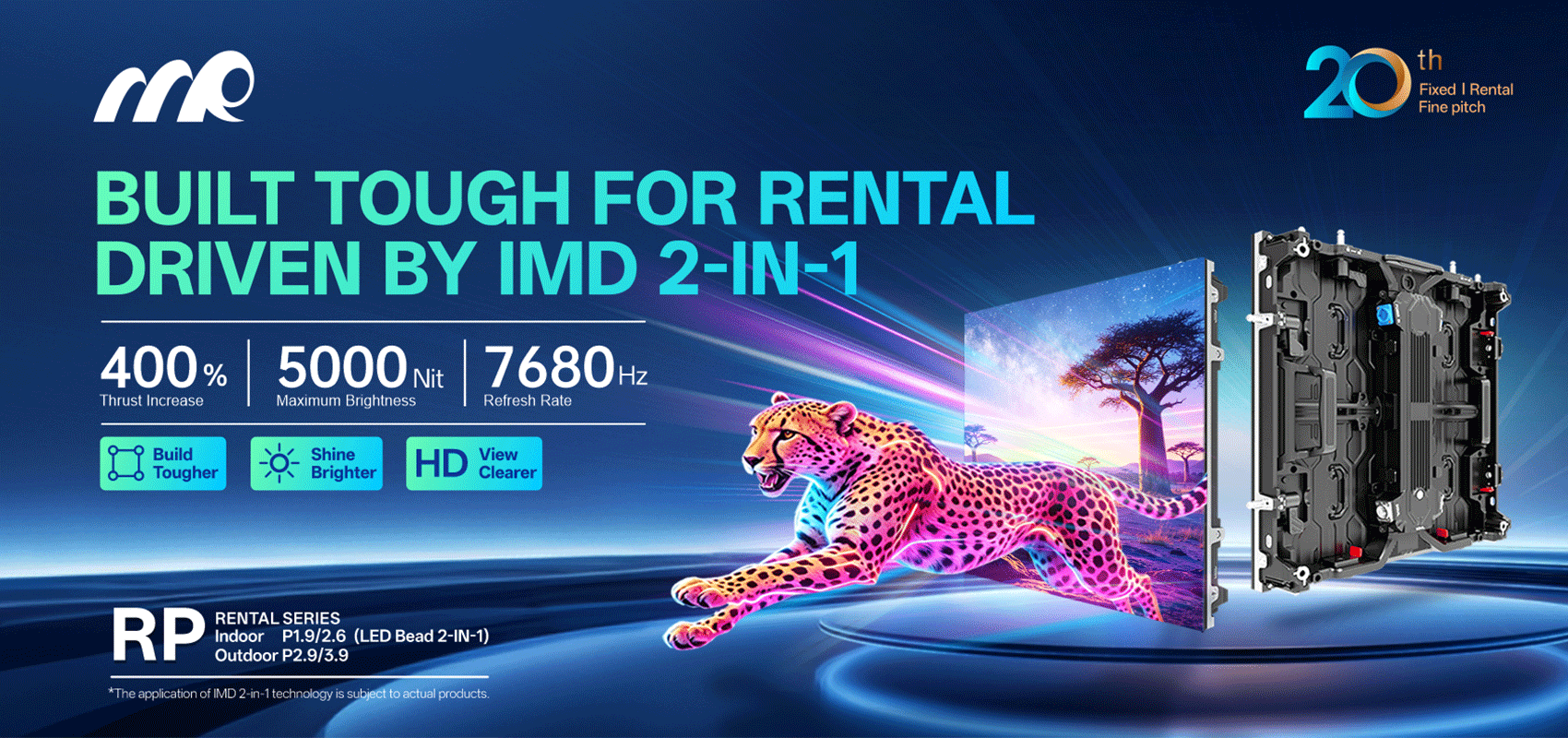
MR LED’s interlocking curved side-lock is a precision latch that mates adjacent modules along a pre-defined arc. Instead of forcing parts flat, it lets each module seat into a shared curvature, locking radial alignment and preventing lateral drift. The design absorbs small thermal changes and prevents gap formation without adding bulk to the bezel. For rigging crews this means faster, repeatable installs and fewer late-night tweaks at venue level — which is sweet as for tight schedules.
Real installs and a practical anchor
Field work matters. At Spark Arena in Auckland and other mid-sized venues, these side-locks cut visible seams during live gigs where stage lights amplify any micro-imperfection. Concert environments demand quick re-rigging and consistent curvature for camera sightlines; MR LED’s approach keeps the display readable from both front-of-house and streamed feeds, aligning the module plane so the audience sees a single, seamless canvas. This is practical, experience-based proof rather than just lab chatter.
Technical trade-offs and how they’re handled
Curved mounting adds complexity: you trade simplicity for control. Designers balance curvature tolerance, module weight and bezel width so the locking mechanism doesn’t stress the cabinet. The side-locks use a shallow ramp and clamp geometry to distribute load across the seam. That reduces point stress and keeps the screen stable under wind load and temperature swings — engineers call this attention to structural tolerance and load distribution. It’s not flashy, but it works.
Common mistakes to avoid on curved outdoor builds
Installers trip up when they treat curved systems like flat arrays. Typical mistakes include mismatched module batches, skipping pre-fit checks, and using single-point clamps that allow pivoting — all invite waves later on. Do these instead:
– Standardise modules and check serial batches before mount.
– Use pre-set curvature jigs during install so each module drops in true.
– Test under load (wind simulation or simple weight tests) before final seal.
Three golden rules for choosing wave-capable outdoor screens
1) Measure mechanical tolerance first: insist on specs for seam alignment and curvature range, not only pixel pitch. Good engineering tolerances mean fewer surprises at install.
2) Pick locking systems that allow micro-adjustment and distribute load — small clamps that bite are worse than a smart interlock that seats cleanly.
3) Check venue proof: ask for case studies from similar sites (stadiums, arenas or long curved façades) and verify installation time and post-show adjustments. Real-world testing beats glossy spec sheets every time.
MR LED nails the balance between optical finish and mechanical reality — that’s what saves campaigns from going pear-shaped. MR LED.