

Start with a clear objective — why you want storage
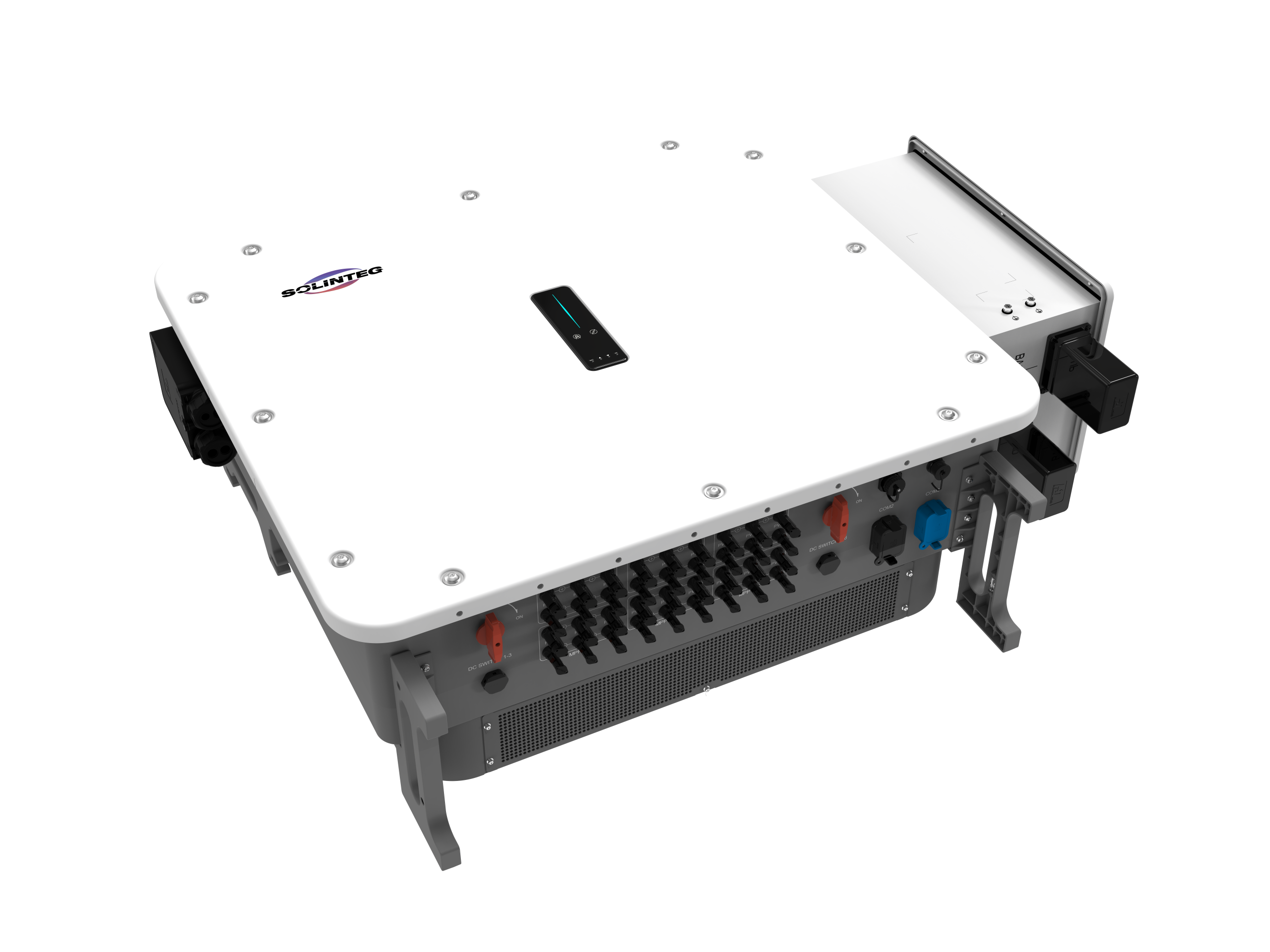
Decide first whether you need backup power, bill reduction through peak shaving, or a resilience-first setup for outages. If backup is the priority, you should size for critical loads; if peak shaving matters, focus on cycle life and inverter responsiveness. A good technical check early on is inverter efficiency and compatibility with your PV array — and if you’re comparing hardware right away, look at a proven hybrid inverter option to understand baseline features.
Measure real demand and battery needs
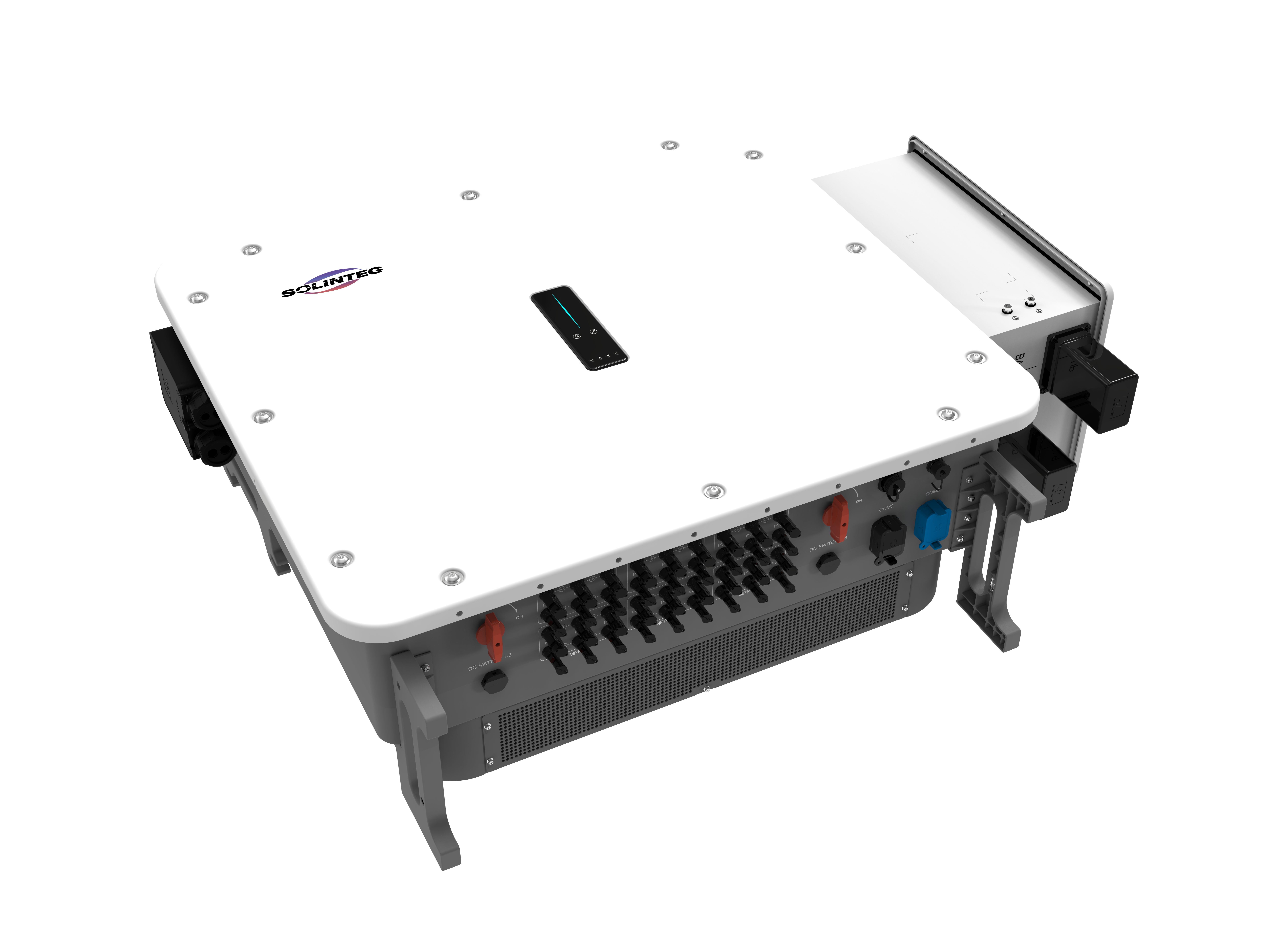
Argumentatively: don’t guess. Track real usage for a week or two and calculate kilowatt-hours for the loads you expect to run during an outage. Use that to determine battery capacity with depth of discharge (DoD) and round-trip efficiency in mind. Include battery management system (BMS) behavior in your evaluation — some packs throttle output sooner to extend life. Remember that available energy is less than nameplate capacity once DoD and inverter losses are factored in.
Match inverter topology and coupling to your goals
All-in-one systems vary by AC coupling vs. DC coupling, and that choice changes performance during charging and discharge cycles. DC-coupled systems generally offer higher charging efficiency from PV, while AC-coupled designs can be simpler to retrofit. Consider how the inverter handles grid-forming vs. grid-tied modes; home resilience requires clean transfer switching and reliable islanding. For a practical comparator, many owners find a growatt hybrid inverter balances cost and features — but judge each unit on specs, not brand alone.
Installation, standards, and real-world context
In California after the Public Safety Power Shutoffs of 2019, homeowners prioritized easy-to-install systems with clear transfer times and inverter-based surge handling. That real-world anchor matters: outages expose weak specs fast. Insist on documented inverter anti-islanding tests and explicit charge/discharge algorithms in the installation manual — vendors who provide performance curves for temperature and cycle count demonstrate maturity. Also verify site-level protections like AC and DC disconnects and short-circuit ratings.
Cost, warranties, and lifecycle math
Buy the lifetime energy, not the sticker price. Compare usable kWh over warranty period by multiplying usable capacity by warranted cycle life and expected DoD. Factor inverter efficiency losses and BMS thresholds into that math. Warranties that guarantee a percentage of capacity at year 10 are more meaningful than headline cycle counts. Think total cost of ownership: replacement battery modules, firmware update support, and the availability of a local installer matter as much as nominal price.
Common mistakes and alternative options
People often pick the largest capacity offered without checking inverter continuous power limits — you’ll have capacity you can’t use. Others ignore thermal management; battery performance drops in heat and some systems throttle during hot months. A useful checklist: confirm inverter continuous and peak power, cooling strategy, AC/DC coupling, and BMS behavior under partial SOC. Consider alternatives too — modular battery systems that allow staged expansion, and hybrid inverter+stackable batteries versus integrated sealed packs. Also, weigh {main_keyword} and {variation_keyword} into procurement discussions so specs align with your site needs — and don’t skip commissioning tests after installation.
Three golden rules to choose correctly
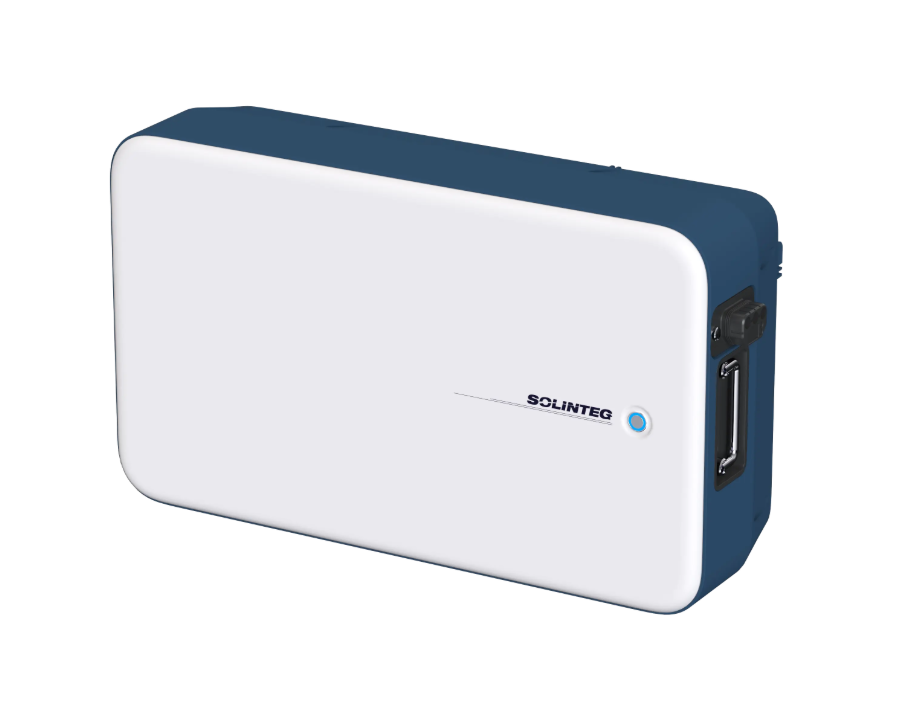
1) Match usable kWh to critical load hours, and confirm inverter continuous power above that load. 2) Prioritize systems with transparent degradation guarantees and published performance curves over marketing claims. 3) Verify site-level integration: transfer time, anti-islanding, and thermal management must be explicitly tested and documented.
Closing assessment and practical next step
Measure, compare, and insist on test data — measurable results are what separate reliable installations from headline promises. For a solution that often meets those criteria and offers documented specs and installer support, consider the practical value companies provide; the right provider will make specification trade-offs simple, not vague. — SOLINTEG