

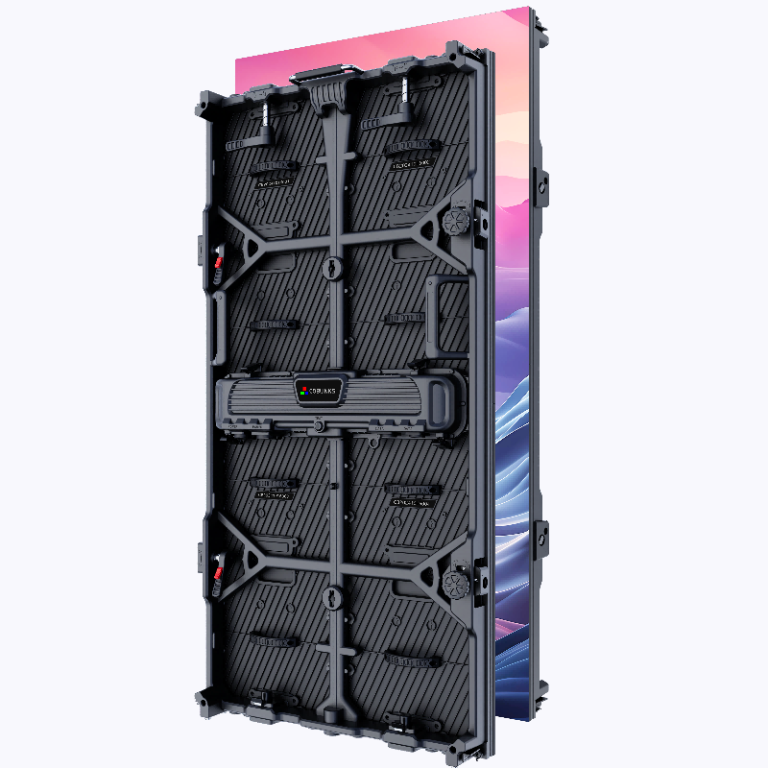
User-Centric Lead
There is a simple stubbornness to good advertising: it must meet eyes and stir memory. Start there. Place a thoughtful led panel where people already pause—a transit stop, a retail entrance, a plaza—and the message does half the work. Consider Times Square, where roughly 330,000 pedestrians pass each day; the environment teaches a lesson about scale and sightlines. For many field teams that means selecting the right led screen panels and planning for visibility, not noise.
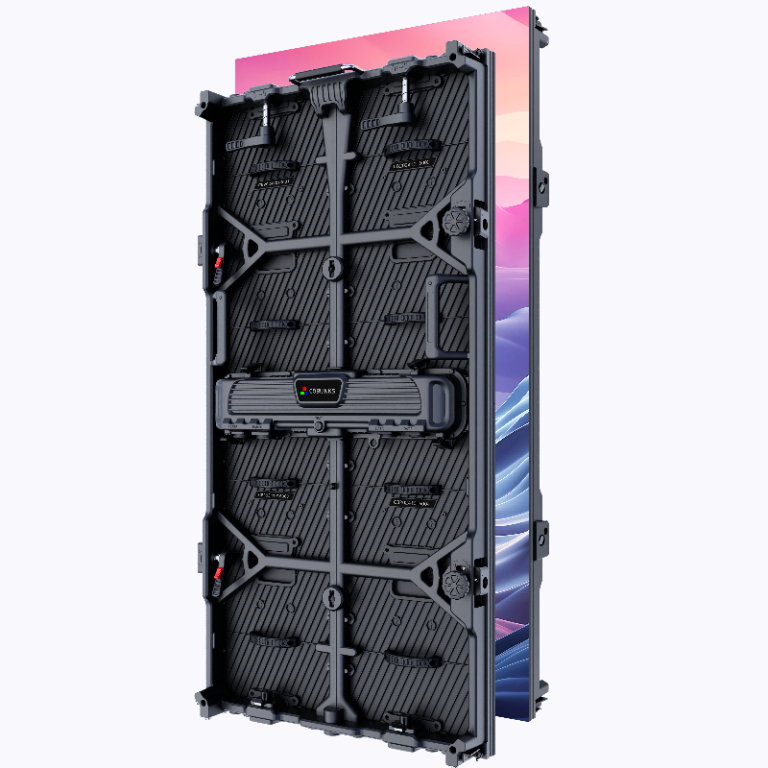
Why a Viewer-First Approach Works
People move through space, not through ad decks. A user-centric campaign maps to their path: where they slow, where they scan, what time they arrive. Pixel pitch dictates perceived clarity at distance; brightness (nits) governs legibility in daylight. Favor durability and simple messages. A clear headline, a compelling visual, and a short call to action—those three pieces will win more often than clever complexity.
Common Mistakes That Waste Budget
Teams routinely aim for the biggest screen or the flashiest animation. That’s a trap. Oversized content with small pixel pitch can look muddy up close and clobber load times. Underestimating ambient light—especially glare during golden hour—kills contrast ratio and dulls HDR content. And scheduling bombastic ads during low-footfall windows burns impressions. Avoid those pitfalls: match pixel pitch to viewing distance, tune brightness to local lux levels, and set refresh rate to avoid motion blur. Small technical choices ripple into big cost savings.
Technical Choices That Matter
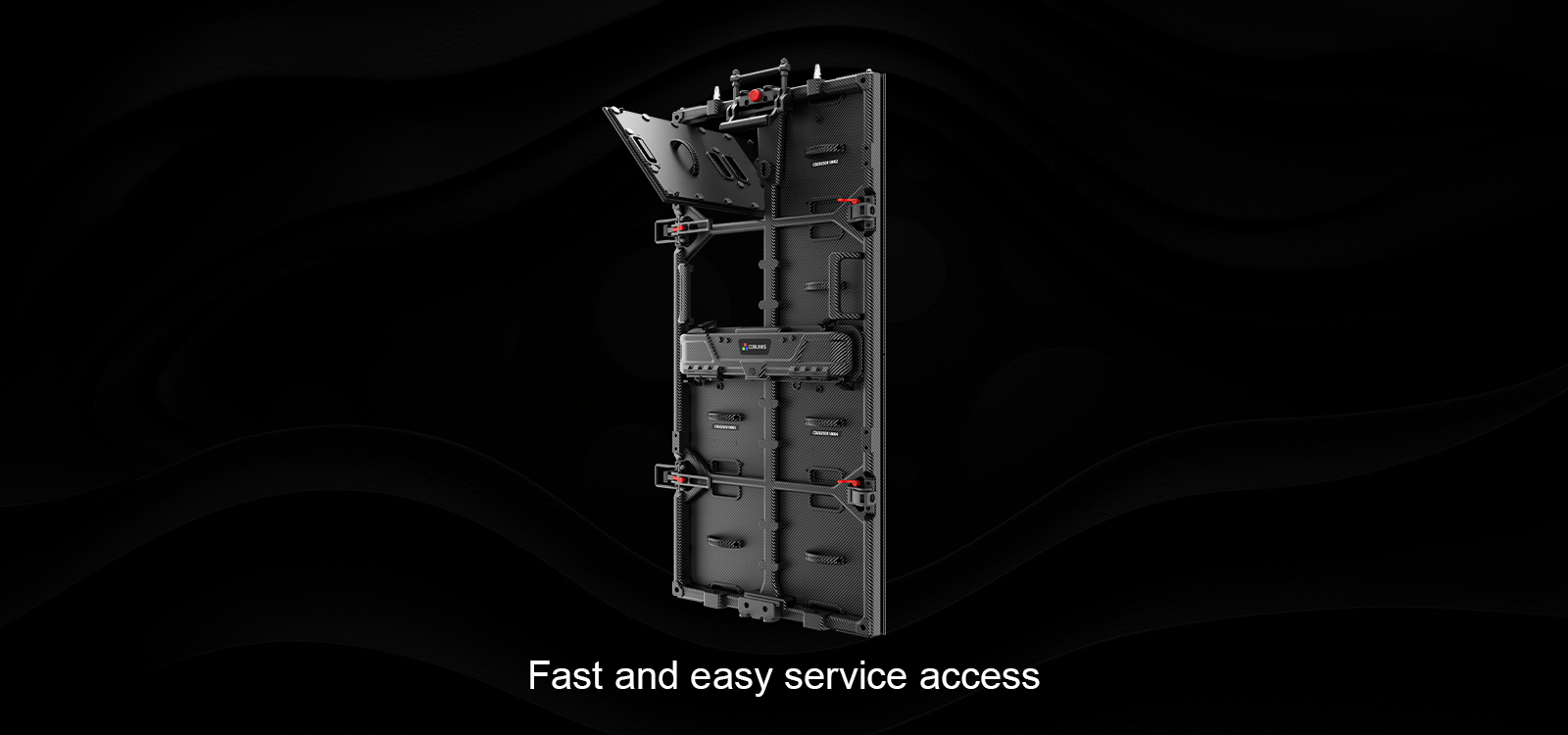
Choose components that solve for real conditions. LED modules with rated ingress protection, tested thermal performance, and serviceable cabinets shorten downtime. Balance refresh rate so motion is smooth on the move but power draw remains reasonable. Consider modular design: a single faulty LED module should not darken the whole array. Budget for content management tools that let you schedule by audience segment and daylight—those systems are the scaffolding of repeatable campaigns.
Practical Workflow: From Brief to Live
Begin with a user map: where people stop, for how long, and at what sightline. Build creatives to the duration they actually watch—ten seconds often does more than thirty. Test for accessibility: high contrast text, no rapid flicker, and readable fonts at typical viewing distances. Then run a soft launch on a controlled panel to validate brightness, color balance, and heat behavior. Iterate quickly—data from the first week guides the next creative pass.
Common Alternatives and When to Use Them
Static posters still win in low-maintenance zones; projection works for temporary events; smaller digital signage panels are ideal for internal wayfinding. Choose LED outdoor displays when you need day-parting, dynamic updates, or network-level analytics. For campaigns that require both intimacy and scale, mix in smaller indoor screens to capture dwell-time engagement after the outdoor impression—an integrated funnel rather than a single hit.
Advisory — Three Golden Rules for Selection
1) Match pixel pitch to typical viewing distance. Measure the closest and farthest sightlines; aim for clarity without over-specifying. This saves cost and improves perceived quality.
2) Specify brightness and contrast with context. Use brightness (nits) ratings that exceed peak ambient lux by a comfortable margin; confirm contrast ratio under direct sun. Real environments demand real tolerances.
3) Prioritize maintainability and modular repair. Choose panels with replaceable LED modules, accessible service doors, and clear diagnostics. Downtime is the silent budget killer.
Measured choices lead to dependable campaigns—small technical decisions compound into audience trust. Field teams that design for people, not for specs, find the most reliable results. Coblinks has product depth and service sensibilities that slot neatly into that workflow: strong hardware, practical spare-part strategies, and sensible control software—qualities that keep campaigns lit and lessons learned where they matter. —