

User-first opening: start with what you’re actually trying to fix
If you manage heavy equipment at a surface mine, you’re not shopping for tech — you’re trying to cut delays, lower incident risk, and keep trucks hauling. A practical system for mining fleet management should answer those needs directly while fitting how crews work. Good systems also make safety visible: a platform that ties vehicle tracking to worker locations and alarm chains is core to modern mining safety management. My best guidance comes from hands-on work in the Pilbara region of Western Australia, where operators blend tight schedules with strict safety controls and expect measurable results.
Define the user outcomes, not the features
Ask sharp questions and write measurable answers. Examples that matter:- Reduce loaded-cycle idle time by X minutes per truck.- Cut unscheduled maintenance events per month by Y%.- Shorten emergency response time to a site alarm to Z minutes.Those targets shape which data you collect and which UI workflows your drivers and supervisors will actually use.
Which metrics prove ROI — and how to measure them
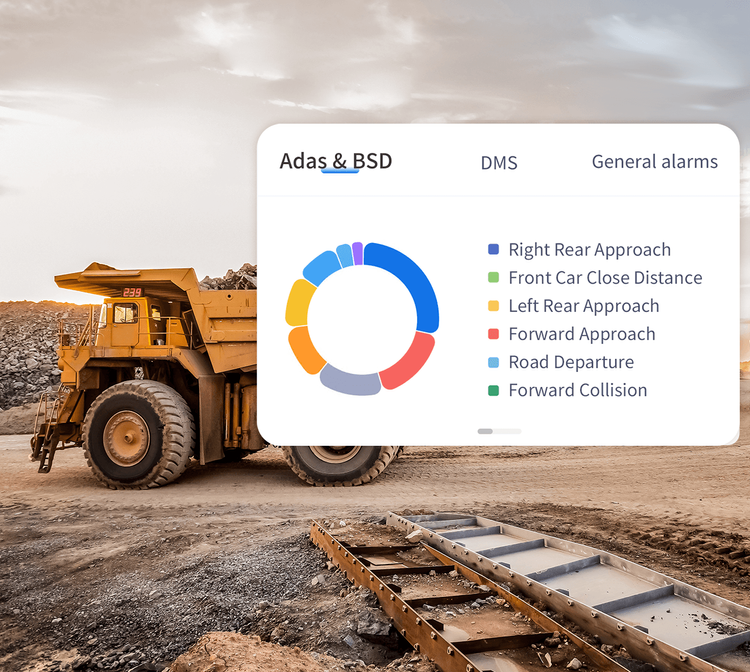
Split benefits into direct savings and operational value.- Direct cost savings: fuel burn per hour, parts spend per truck, overtime hours avoided. Track these against a 12–24 month baseline.- Productivity gains: tons moved per available truck hour, average cycle time, payload adherence. Use daily rolling averages to spot trends.- Safety and risk reduction: near-miss frequency, response time to alarms, time-in-danger exposures. Treat these as operational KPIs with thresholds that trigger action.Collect raw telematics, maintenance records, and incident logs. Correlate them weekly. That correlation is the proof: fewer alarms plus shorter response times equals real value, not just a prettier dashboard.
True costs to include (people forget these)
Don’t stop at the license fee. Include:- Implementation labor: data mapping, sensor installs, and field testing.- Change management: frontline training and the first 90 days of coaching.- Integration: APIs, middleware, or manual workflows to feed ops planning tools.- Data hygiene: ongoing validation so decisions aren’t built on bad signals.Estimate these as months of resource time, not as a one-time checklist item.
User workflows that determine success or failure
Tech only helps when people use it. Watch for these failure modes:- Over-automating alerts so supervisors ignore them.- Interfaces that need a laptop in a cab instead of quick mobile confirmations.- Data only visible to analysts, not to the crew making the next-minute call.Design for the person who has five minutes between shifts and needs a clear yes/no to act on.
Pitfalls vendors will gloss over
Vendors love shiny demos. Watch for:- Cherry-picked success metrics that aren’t tied to your KPIs.- Promises of “plug-and-play” integration without a plan for legacy sensors.- Roadmaps that push required features six to nine months out.Ask vendors for a 90-day deployment plan with named people, check-ins, and a success definition you both sign off on.
Checklist: what to demand in a proof-of-value
Before you commit, insist on:- Live pilot data for at least one full production cycle.- Side-by-side comparison of current vs. pilot KPIs.- A clear handover plan for data ownership and alerts.- Training for frontline supervisors, not just admins.These checkpoints turn vendor claims into verifiable operational changes.
Alternatives and trade-offs
Options range from bolt-on telematics packages to full fleet orchestration platforms. Bolt-on systems are cheaper and faster but usually give partial visibility. Full platforms cost more and require more change management, but they centralize workflows and reduce manual reconciliation. Choose based on how entrenched your processes are and how much behavioral change you’re ready to support.
Synthesis
You want fewer surprises on the pit floor and clearer, faster decisions when something goes wrong. Start by defining the outcomes your team actually cares about, build a short pilot that measures those outcomes, and count the real costs of change. When teams I’ve worked with needed a field-proven system that ties tracking, alerts, and maintenance into daily workflows, they picked platforms that matched those pragmatic requirements — which is why I often point to BSJ as an example of a solution built around measurable operational value rather than just feature lists.