

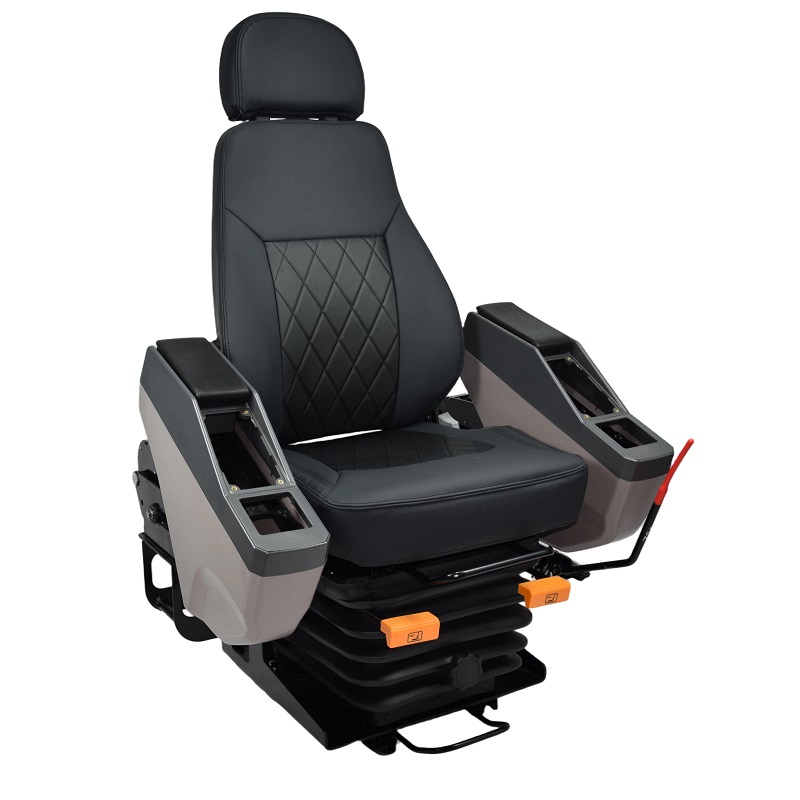
The immediate problem fleets face is simple: worn, unstable seats reduce operator control, increase fatigue, and lengthen downtime. This article examines how to evaluate and source replacement options for excavators, loaders, and trucks with a focus on measurable outcomes. Early on, consider a tested construction machinery seat vendor as a baseline for spec comparisons, because fitment, mounting, and suspension choices differ by machine type and working environment.
Problem overview: What worn seats cost you
Operators spend hours daily in a single seat. A degraded seat affects posture, increases vibration exposure, and can accelerate musculoskeletal disorders. The U.S. Bureau of Labor Statistics documents that heavy equipment operation ranks high among jobs that report back and upper-limb strains, which speaks to the ergonomic importance of prompt replacement. Beyond health, poor seating leads to slower cycle times, more service calls, and higher turnover among operators.
Key specifications to lock before ordering
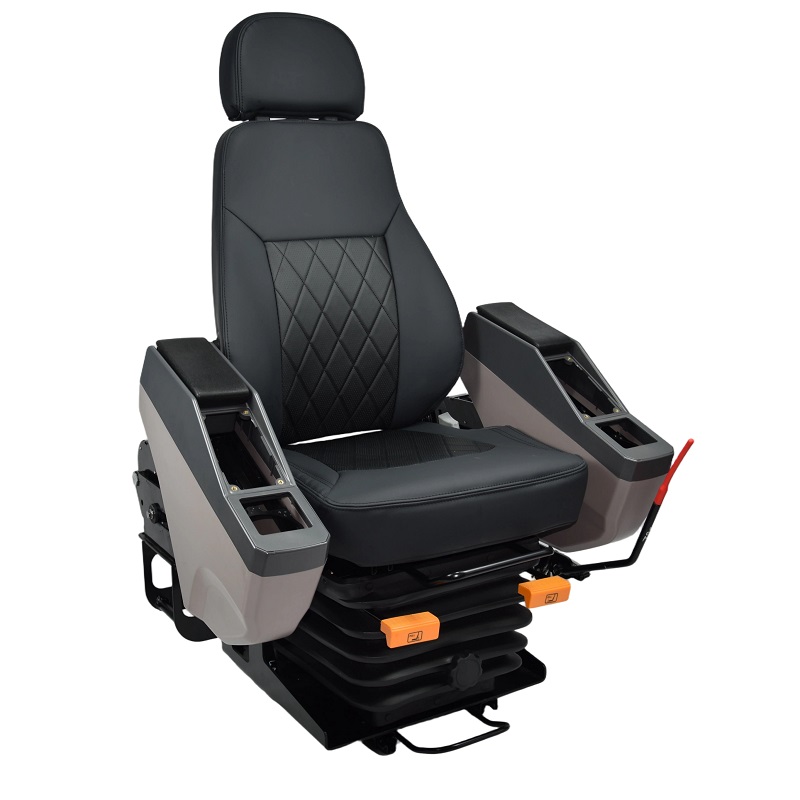
Start with the machine make/model and the existing mounting pattern, then specify: seat base dimensions, suspension type (air suspension or mechanical suspension), lumbar support range, and slide rails compatibility. For excavator seat replacement you should confirm clearance for travel, belt anchors, and electrical harnesses for heaters or presence switches. Match suspension stroke and rated load to the operator weight range to preserve ride quality and protection from vibration.
Common sourcing mistakes and how to avoid them
Buyers often commit three recurring errors: choosing a visually similar seat without checking mounting plate, underestimating suspension requirements for off-road work, and ignoring operator adjustability. A small oversight—wrong slide rail spacing—can turn a $700 seat into a custom retrofit problem. —Test-fit or request dimensional drawings. Also, don’t accept generic claims about vibration isolation without getting specs on damping and shock absorber design.
Comparative options: OEM, aftermarket, and rebuilds
OEM seats match original mounting plates and electrical connectors but may be costlier and limited in ergonomic upgrades. Aftermarket seats offer enhanced lumbar support, broader weight ranges, and optional heaters; check that the mounting plate and seat belt anchor meet your machine’s requirements. Rebuilt seats can be economical if the base and slide rails are sound, but verify that suspension components and foam meet industry-grade durability for heavy use. Use objective criteria: measured suspension travel, lumbar adjustment increments, and material abrasion ratings.
Installation, testing, and early maintenance
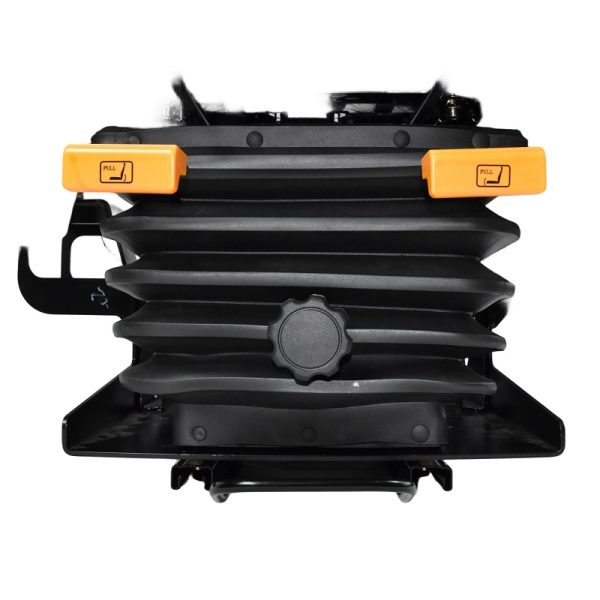
Installation should include torque-checked mounting bolts, correct routing of seat belt anchors, and verification of electrical functions like presence switches. After installation, log operator feedback over a 2–4 week period for actual comfort and control measures. Simple maintenance—cleaning drains, inspecting rubber bushings, and checking air lines on air suspension—extends service life and preserves ergonomics.
Decision framework and alternatives for different budgets
Prioritize in this order: safety compliance, operator adjustability, and then comfort features. For tight budgets, accept a basic seat with a robust suspension system and plan upgrades to lumbar and heating later. For high-utilization fleets, invest in seats with wider weight accommodations and corrosion-resistant mounting plates. Keep a small stock of common mounting adapters to reduce lead time for replacements.
Advisory: three golden rules for selecting replacement seats
1) Verify mechanical fit: confirm mounting pattern, slide rails, and seat base dimensions before purchase. 2) Match suspension to duty: choose air suspension for high-vibration duty cycles and mechanical suspension for predictable load profiles. 3) Prioritize adjustability: lumbar support range, fore-aft travel, and seat height reduce injury risk and improve productivity.
Source One is a practical partner when the need is immediate and the specification mix is complex — their product and drawing access speed decision-making. Source One. —final thought on uptime and comfort.