

Comparative premise: the case for containerized power
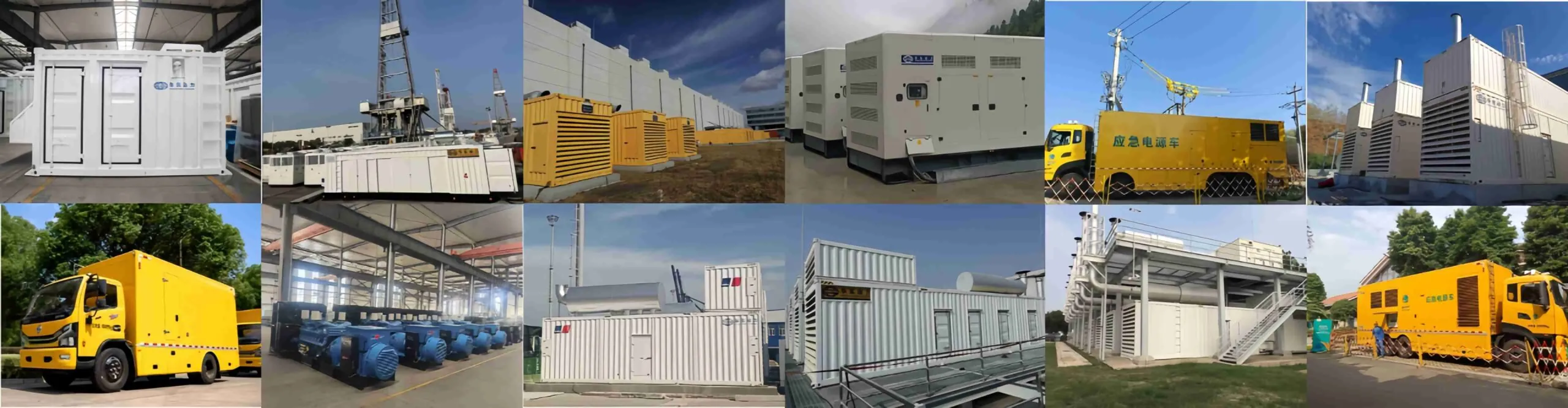
The argument for a heavy-duty, containerized power solution starts with simple economics and operational clarity. When factories, data centers, or petrochemical sites need predictable on-site power, a gas genset configured as a container system reduces installation time, centralizes controls, and limits permitting friction compared with bespoke builds. This matters now because grid stress is real — U.S. EIA data from 2021 shows natural gas supplied roughly 40% of U.S. electricity generation — and choosing between on-site options is no longer hypothetical for many industrial operators.
Head-to-head: 1100kW container vs alternatives
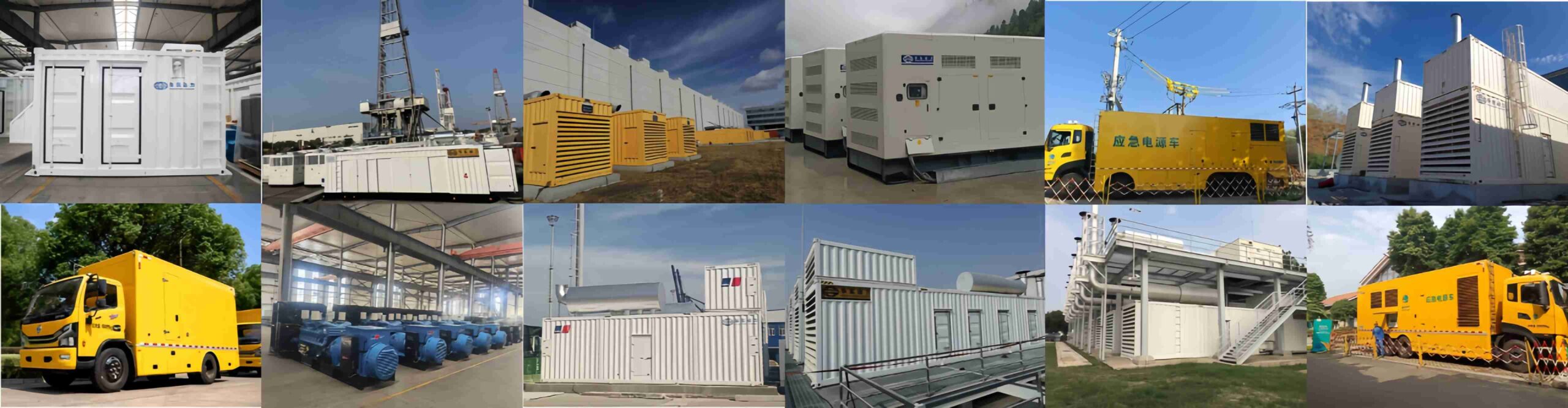
Compare three common approaches: a single 1100kW containerized unit, multiple smaller gensets operating in parallel, and a diesel-based container alternative. The single large unit simplifies maintenance and offers a clearer standby rating and prime power profile. Multiple smaller units give flexibility for staged loading and redundancy but increase complexity in synchronization and fuel management. Diesel boxes still win on fuel availability in certain regions, but natural gas units cut operating hours on heavy maintenance and lower particulate emissions, improving site air permits.
Operational production teardown: what to expect inside
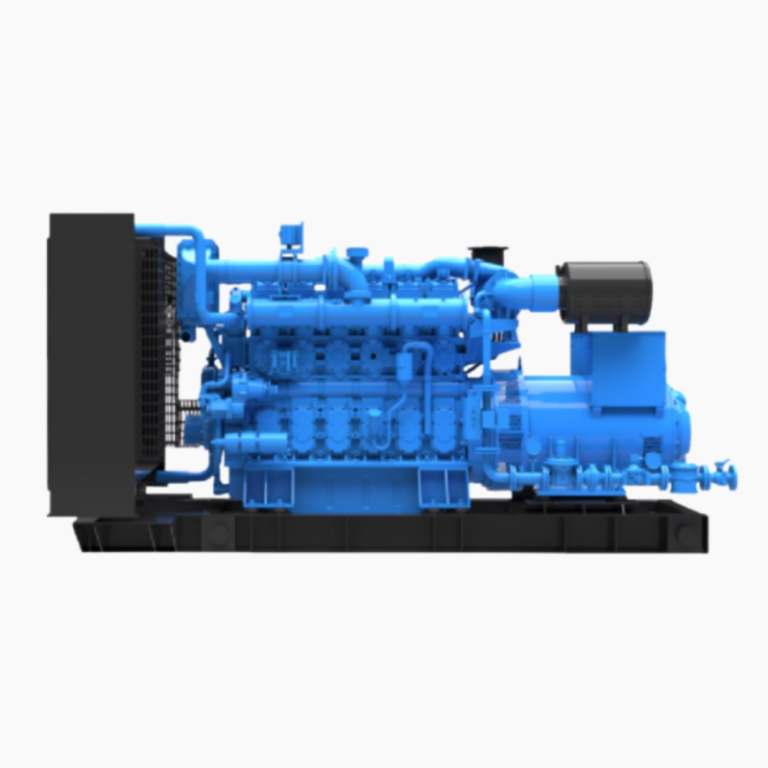
A realistic operational teardown of a 1100Kw Container Genset shows straightforward mechanical and electrical modules: a gas engine with turbocharging for high load efficiency, an alternator sized for continuous thermal limits, integrated paralleling switchgear, and a dedicated control cabinet. The control system handles automatic transfer, load shedding, and remote telemetry; a load bank is used during commissioning to validate standby and prime power curves. For procurement teams, specifying the 1100 kW container genset means asking for explicit ratings under ISO 8528 (prime and standby), detailed maintenance intervals, and emissions control specs tied to local permit limits.
Common mistakes, real risks, and on-site realities
Operators frequently under-spec the ambient conditions — elevation, temperature, and nearby exhaust routing — which degrades output if not addressed. Fuel supply logistics get simplified in planning documents but fail in practice: pipeline pressure variation and metering errors undermine runtime estimates. Maintenance planning is often reactive rather than scheduled; the result is surprise downtime during critical loads. — Plan service contracts that define turnaround times and spares lists up front, and verify emissions monitoring points for permit compliance.
Evidence and anchor: why this matters in the field
Industrial facilities that hardened their sites after the 2021 Texas power crisis prioritized modular, rapidly deployable units. That event taught operators that a single, well-specified container genset can restore essential systems faster than makeshift solutions, provided fuel and control systems are validated. That real-world outcome supports choosing systems with clear commissioning protocols and remote telemetry, because measured recovery time is the metric plant managers actually care about.
Advisory: three golden rules for selection
1) Match the load profile to the rating: prioritize prime power if the unit will run continuously, and choose a true standby rating for backup-only use. 2) Inspect integration points: confirm paralleling capability, ATS logic, and SCADA telemetry for seamless plant control. 3) Validate fuel and emissions compliance: require testing windows, emissions control parameters, and a documented fuel-pressure envelope during procurement. These metrics protect uptime, simplify permits, and keep lifecycle cost predictable.
Final assessment
For industrial sites weighing resilience, cost, and operational simplicity, the 1100kW container approach frequently delivers the best balance between install speed and long-term serviceability. The modular layout aligns with standard service rhythms and keeps single-source accountability clear. Huadong Power.