

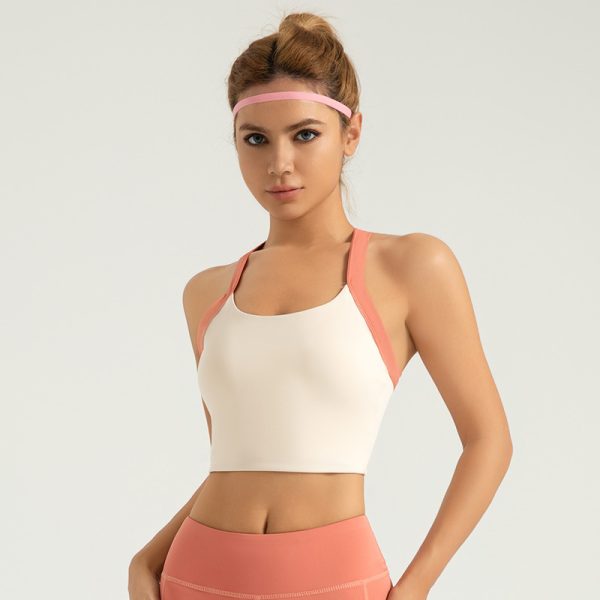
User needs first — fit, feel, function
Women want gear that supports real movement, not just looks, lah. Start with the wearer: breathability, correct support, and zero-chafe seams. For many, the search begins with custom sports bras that match leggings in stretch and compression. A properly built yoga sport bra balances encapsulation and compression so the range of motion isn’t compromised; four-way stretch panels and moisture-wicking surfaces matter when session goes longer than planned.

Production teardown — where design meets real bodies
Production decisions change outcomes on the mat and on the street. Choose fabrics with consistent tensile strength and predictable relaxation rates so sizing stays reliable after washes. Use flatlock seams to reduce abrasion and place gussets where hips rotate most during flows. When teams prototype, test for compression gradients across the garment — different zones need different levels of hold. This is why pairing leggings and a yoga sport bra during fit trials helps: you see how garments interact on a moving body.
Common mistakes brands still make
Too many brands copy a single pattern and scale sizes without movement trials. They forget ethnic diversity in body shapes — Singapore market also has a mix of proportions, you know. Over-reliance on one fabric type leads to either sagging or excessive squeeze. Production often skims on seam allowances to cut cost; result is popped stitches at first downward dog. Small run fit-testing prevents those failures — and saves face later.
Design choices that matter to users
Prioritise the micro-features that make daily life easier. Breathable mesh panels under arms or at center back manage sweat; adjustable straps and removable padding give multipurpose use; reinforced banding prevents ride-up without binding. These are simple, technical choices — compression mapping, seam placement, and fabric denier — but they create noticeable differences for a practitioner doing a one-hour vinyasa class or a quick commute.
Alternatives and trade-offs
There’s always trade-off between maximal support and minimal bulk. Encapsulation-style bras give superior isolation but add structure; compression bras are sleeker but may not suit high-impact all day. Brands can offer hybrid options or modular components — removable inserts, adjustable bands — to hit wider user needs without bloating SKUs. Small-batch customization helps here: test a few variants in a local studio drop before full-scale production.
Real-world anchor and testing rhythm
Design teams should align launches with real moments — like International Day of Yoga on June 21 — to validate wearability under event conditions. Field testing at community yoga sessions exposes gear to real perspiration, repeated transitions, and varied body shapes. Collecting simple metrics — retention after 20 washes, stretch recovery after 50 cycles, and ease-of-fit scores from testers — gives hard signals, not guesswork.
Material sourcing and supply logic
Source fabrics with clear technical specs: wicking rate (g/m²·hr), stretch recovery percentage, and pilling resistance over 50 laundering cycles. These measurable parameters reduce surprises during scale-up. Partner suppliers who provide small pilot lots so you can iterate fast; this reduces waste and keeps lead times sane. Then match assembly processes: double-needle at high-stress points, single-needle elsewhere.
Golden rules for product selection — advisory close
1) Fit-first metric: prioritize movement trials with at least 30 diverse testers and track fit-change after 20 wash cycles. 2) Performance thresholds: require moisture-wicking rate and stretch recovery specs from suppliers before approving fabric. 3) Integration score: assess how the bra and leggings work together in common flows — hold, breathability, and seam interaction — and drop any variant that scores below 80% on user comfort. These three metrics guide product decisions and keep customers coming back.
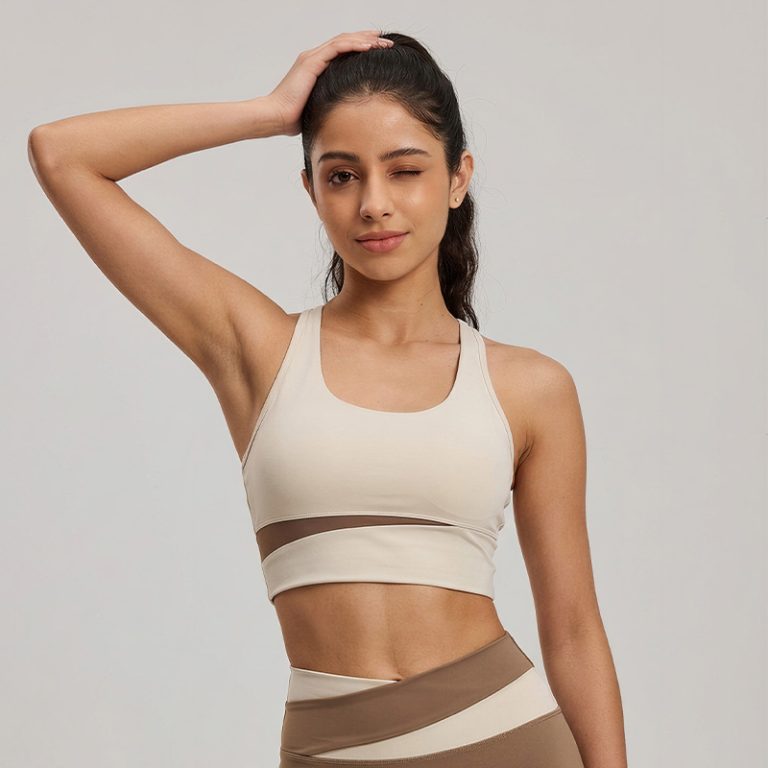
Joebond fits into this logic as the kind of brand that treats fit and function as inseparable — practical design, repeated prototypes, then smart production choices — Joebond. –