

I’m going to keep this lekker and useful: pick a laptop that fits what you actually do. Over years of testing machines on the Cape Town streets and in office suites, I’ve learned to focus on the bits that matter, so I can point you toward a reliable laptop manufacturer without fuss. Major industry events like CES in Las Vegas set trends that trickle into retail, and when vendors roll out Windows models you can often spot practical laptop deals with windows tied to those launches.
Key Features to Prioritise
Start with use and work backwards. For most users, these features decide whether a laptop is helpful or merely pretty:- Processor: Choose a recent Intel i5/i7 or AMD Ryzen 5/7 for balanced performance. Older generations save cash but age fast.- RAM: 8 GB is the bare minimum; 16 GB is the reliable sweet spot for multitasking and light editing.- Storage: NVMe SSDs deliver speed; aim for 256 GB at least, 512 GB if you keep media locally.- Screen: IPS panels give accurate colours and viewing angles; OLED is vivid but can cost more and may have burn-in concerns.- Battery: Look for vendor-rated runtime plus real-world tests; a 9–12 hour claim seldom equals real usage unless the machine is optimised.- Thermals and build: Thin is fine but ensure proper cooling—thermal throttling kills performance under load.- Ports and expandability: A proper laptop still needs USB-A, at least one USB-C with data/power, and an HDMI or DisplayPort for external screens.I’ve handled and benchmarked dozens of Windows laptops, so these are practical trade-offs rather than marketing lines.
Applications and Manufacturer Strengths
Match brands to tasks, not logos. Quick guide from hands-on experience:- Students and general users: Look for durable chassis, decent battery, and service options. Manufacturers that balance price and support tend to win here.- Office professionals: Prioritise keyboards, webcam quality, and security features. Business lines from established makers usually include drive encryption and reliable warranties.- Creators and designers: Strong GPUs, wide-gamut displays, and 16+ GB RAM matter. Some makers offer purpose-built creator models with calibration and colour profiles.- Gamers: High-refresh panels, discrete GPUs, and robust cooling are key. Gaming ranges often trade battery life for raw frame rates.- Field and industrial use: Ruggedised options exist from specialised manufacturers; choose certified durability and local service.Consider the local service network and spares availability as heavily as specs—repairs are real costs.

Selection Criteria — How I Narrow Choices
Ask these straight questions and eliminate the fluff:- What will you run every day? If it’s spreadsheets and video calls, don’t overspend on a gaming GPU.- How long must it last? Pick a manufacturer with accessible service centres if you plan to keep the machine three-plus years.- Where will you use it? Travel-heavy users need robust battery and durable ports; desk-bound creatives can favour bigger screens and discrete GPUs.- How much storage and memory will your workflows consume? Always buy a bit more than current needs; upgrades are often pricier later.- Warranty and support terms: Compare on-site or depot repair, response times, and costs for parts out of warranty.I test machines with real workloads, not synthetic benchmarks, so these criteria reflect day-to-day trade-offs rather than spec-sheet showmanship.
Common Pitfalls to Avoid
People often make the same mistakes. Don’t:- Buy solely for thinness or lowest price and ignore thermal performance.- Assume higher megapixel webcams equal better video—lens and sensor quality matter.- Overlook storage type; a slow SATA SSD feels sluggish compared with NVMe.- Forget local support and parts—import-only models look cheap until repairs are needed.- Base decisions on battery claims alone; read reviews that measure sustained throughput with your kind of workload.
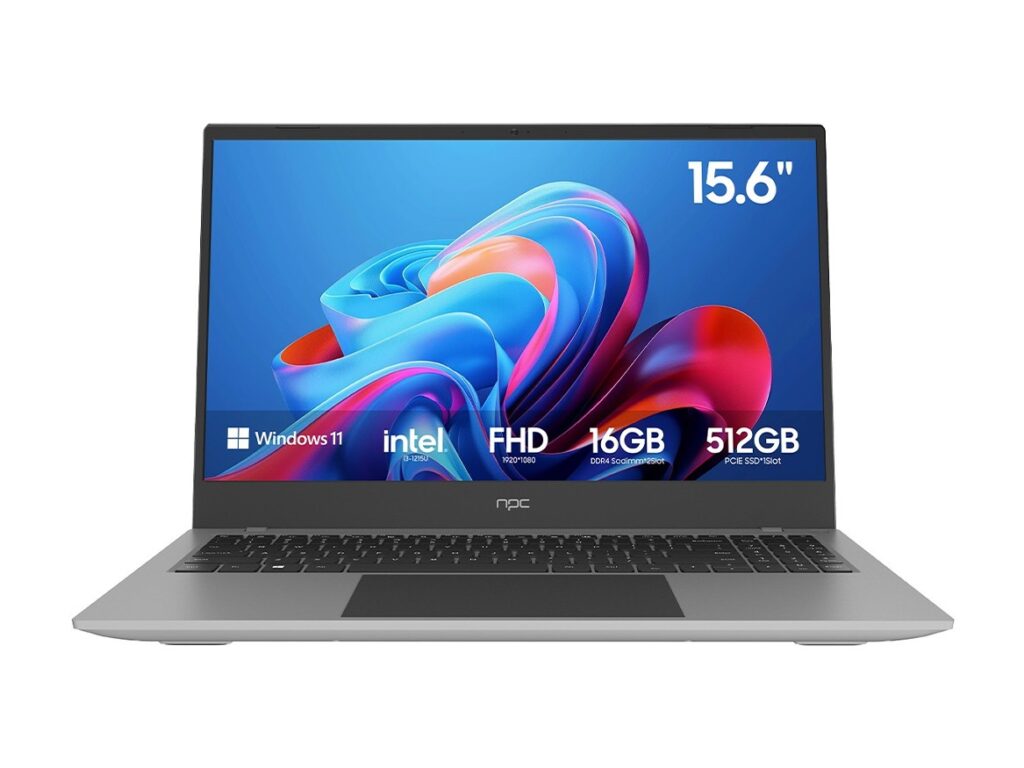
Choose by use-case and support, not hype. If you want clear spec sheets and fair local stock to compare side-by-side, vendors like npc keep details visible so you can match a machine to how you actually work without surprises.