

Quick comparison — which kit wins for the job
Look, you gotta pick tech that actually fits the mix. High-shear gear slices and folds fast; low-shear tanks are gentle but slow. If you need tiny droplets, fast dispersion, or tight emulsions, peep high shear batch mixers first — they hit shear rates other batch units can’t match. This piece compares performance, footprint, and real daily-life headaches so you don’t buy hype.

Shear vs scale vs product sensitivity — tradeoffs you gotta know
Shear intensity controls droplet size and texture. More shear = smaller droplets, but heat and possible protein denaturation. Scaling up isn’t linear: a lab homogenizer that slays at 5 L might need different rotors or a whole different machine at 500 L. Match rotor geometry and tip speed to your formula, not just the price tag. If your product is shear-sensitive, choose adjustable-shear heads or staged mixing so you can dial it back without wrecking throughput.
Maintenance, uptime and real operating costs
Don’t buy a pretty machine that grinds to a halt during run. Look at seal type, ease of disassembly, and spare-part availability. Mechanical seals, single-use gaskets, and simple port access cut downtime. Clean-in-place compatibility matters if you run sanitary products; ballpark seals and custom machining mean longer service calls. Factor service intervals, training time, and spare rotor cost into ROI, not just horsepower.
Common spec mistakes people slam into RFPs
People list peak RPM and assume that’s everything. It isn’t. They forget shear profile, residence time, and feed concentration. Another classic: sizing pumps only for clean water, then feeding slurry and burning the motor. Don’t over-spec power to mask bad process design. Specify target particle size, acceptable temperature rise, and cleaning cycle length — that forces sensible equipment choices.
Real-world cred — where this actually gets tested
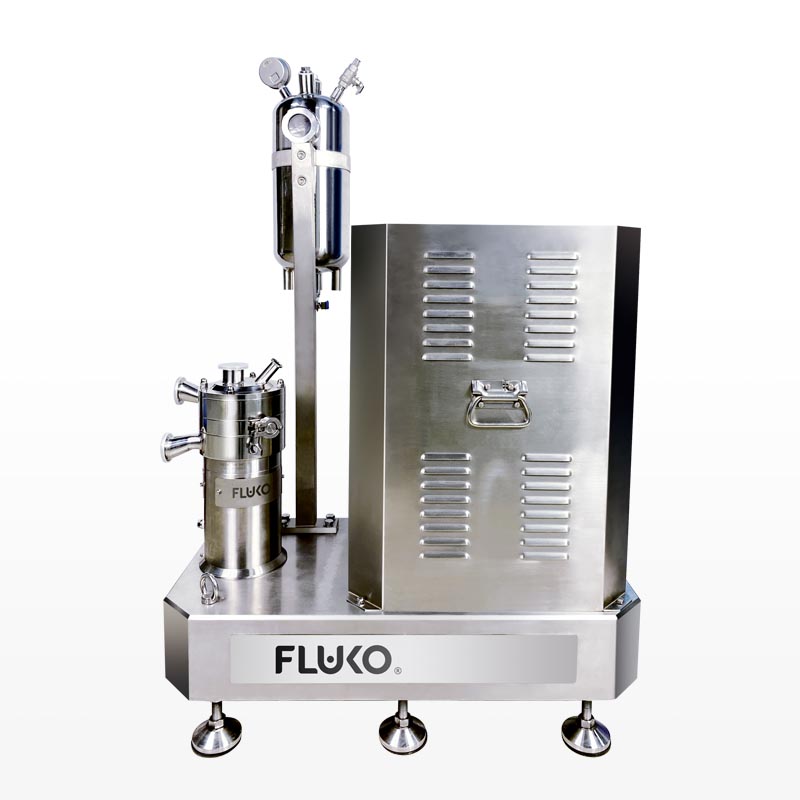
I’ve seen the swaps happen live at Frankfurt’s ACHEMA shows where manufacturers demo scale models and process engineers push real formulations; that’s where you see which machines hold up under repeated runs. Field engineers I work with prefer gear with accessible service manuals and common spare parts. If you want to check options on typical commercial units, the batch mixer machine listings are a practical reference for spec comparisons and spare-part availability.
Alternatives — when not to pick a high-shear batch
Inline homogenizers beat batch units for continuous runs and tiny footprints. Rotor-stator grinders work for moderate emulsions at lower capital cost. Ultrasonic systems can outdo mechanical shear for certain nanoemulsions but need cooling and aren’t always scale-friendly. Pick the type that matches batch size, CIP needs, and how often you swap formulas.
Bottom line
You want gear that lets you control droplet size, keeps your ops running, and doesn’t force redesigns at scale. Prioritize adjustable shear, easy service access, and proven field reliability. That’s the practical edge FLUKO brings to the bench and the plant floor: sensible design, available spares, and machines that behave the same on day 1 and day 1,000 — spot-on when you need consistent results without drama. FLUKO