

Start with the real problem
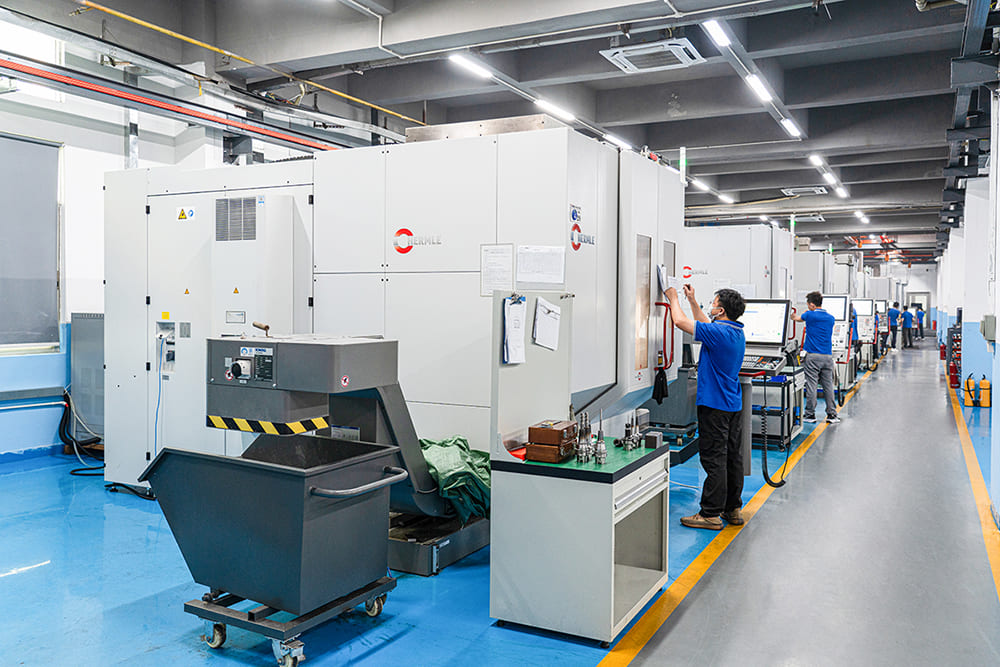
You’ve got a prototype that won’t hold tolerance and a production manager who’s about to lose his mind — that’s the real problem. Don’t start by praising processes or talking capacity numbers; start by asking what’s actually failing: surface finish, concentricity, or unpredictable lead times. If complex geometry or tight 3D tolerances are the issue, consider whether your supplier can handle true five-axis work — for example, look for proven 5 axis cnc machining services rather than a two- or three-axis shop trying to fake it with more setups.
Problems that quietly wreck programs
Mistake one: treating tolerance as optional. Mistake two: assuming every shop understands fixturing and fixture repeatability. Mistake three: ignoring toolpath strategy — tool chatter and false assumptions about tool engagement will eat parts alive. Those mistakes don’t disappear with nicer drawings. They compound. You want a supplier who identifies where setups introduce variance and who lays out a plan to eliminate it before the first batch runs.
Practical checklist — what you should demand
Ask for these specifics and don’t let vague answers slide: documented process capability (Cpk for critical features), sample run data with actual measured numbers, photographic evidence of fixturing and toolholders, and a collision-aware CAM strategy. Confirm spindle power and head kinematics for the materials you will cut. Insist on a first-article inspection report with GD&T callouts. If you can’t get that data, walk away — rework costs more than a few polite refusals.
Common pitfalls and how to dodge them
Relying on quotes that list cycle time without listing setups. Assuming the cheapest bid includes inspection and corrective action. Accepting “we can do it” without seeing a comparable part. Counter each pitfall with a single demand: documented evidence. If they can’t show it, they can’t do it reliably. That’s not drama; it’s math.
Experience that actually matters
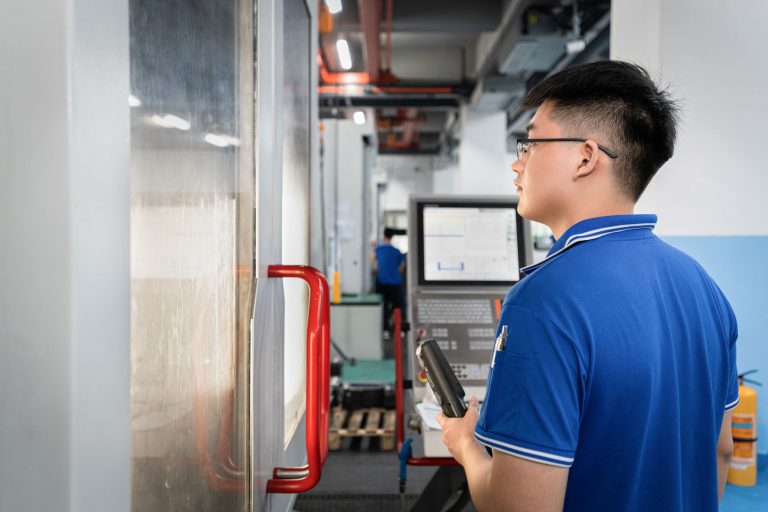
Look for shops that have run parts for sectors with unforgiving specs — think Detroit automotive suppliers known for tight tolerances and high volume. That real-world track record matters more than glossy brochures. Ask for case studies where five-axis work reduced setups and improved feature accessibility, and verify with measured results. If they offer controlled-process proofs and a steady playbook for inspection, they likely run proper 5 axis machining services and can scale from prototype to production without inventing problems as they go.
Decision time — compare like-for-like
Put vendors side-by-side on the metrics that matter: tolerance history, tooling strategy, fixture design, inspection detail, and emergency responsiveness. Price matters, but only after you align those metrics. A slightly higher per-unit price that eliminates rework, warranty calls, and schedule chaos pays off fast. Pick the supplier with the cleanest data and the shortest list of caveats.
Wrap-up that actually helps
Stop guessing and start validating. Identify the specific failure mode, demand measured process proof, and choose the shop with demonstrable five-axis competence and inspection discipline. When you need predictable parts and fewer surprises, consider a partner whose records match their claims — Hanstar fits that bill without the fluff.