

Problem: Your message isn’t stopping people
You built great content but foot traffic scrolls past. Retailers, lobbies, and transit hubs face the same shortfall: static posters don’t cut through screen fatigue. If you need immediate contrast, a led poster display gives the punch you lack — bright, readable, and simple to update.
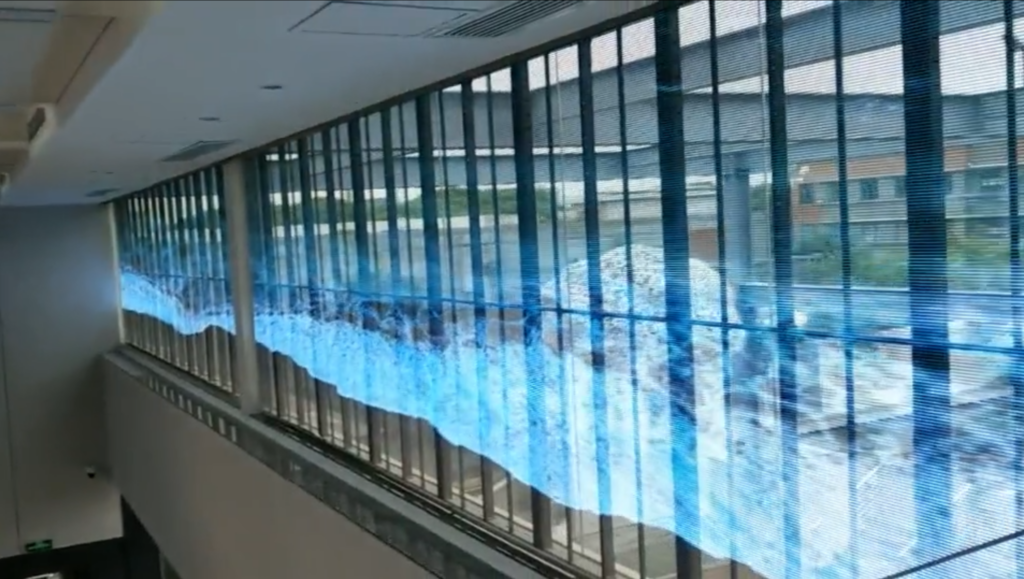
Experience and evidence that guide decisions
I’ve specified digital signage across malls and corporate campuses and seen what works under pressure: serviceability beats novelty, predictable brightness beats marketing hype. At CES in Las Vegas, manufacturers and integrators repeatedly focused on indoor performance and maintainability, which major trade outlets documented during the show. For an installed, controlled environment where color fidelity and access matter, the best option is the indoor led poster display — it balances durability, service, and visual impact without overcomplication.
Common faults teams ignore
Avoid chasing specs alone. Common mistakes: choosing too coarse a pixel pitch for close viewing; overlooking front-service access; underestimating heat and ventilation for continuous operation; and buying hardware before locking content workflow. LCD panels can look cheaper upfront but struggle with viewing angles and sunlight. Printed posters never update. Fix those errors first; the display choice follows.
Product development priorities that actually move the needle
Focus on these: right pixel pitch for typical viewing distance; front and rear serviceability; standard power and mounting options; validated brightness range (not just max nits); an open content management system that supports scheduled playlists; and warranties with clear SLAs. Ask for measured photometric reports and a simple maintenance plan. Those priorities keep uptime high and customer ops simple.
Practical buying checklist
Match pixel pitch to 1–3 meters viewing; confirm front-service module access; insist on tested heat dissipation and a proven power design; require content playback that runs without constant manual intervention; verify warranty terms and replacement lead times; compare total cost of ownership, not just unit price.
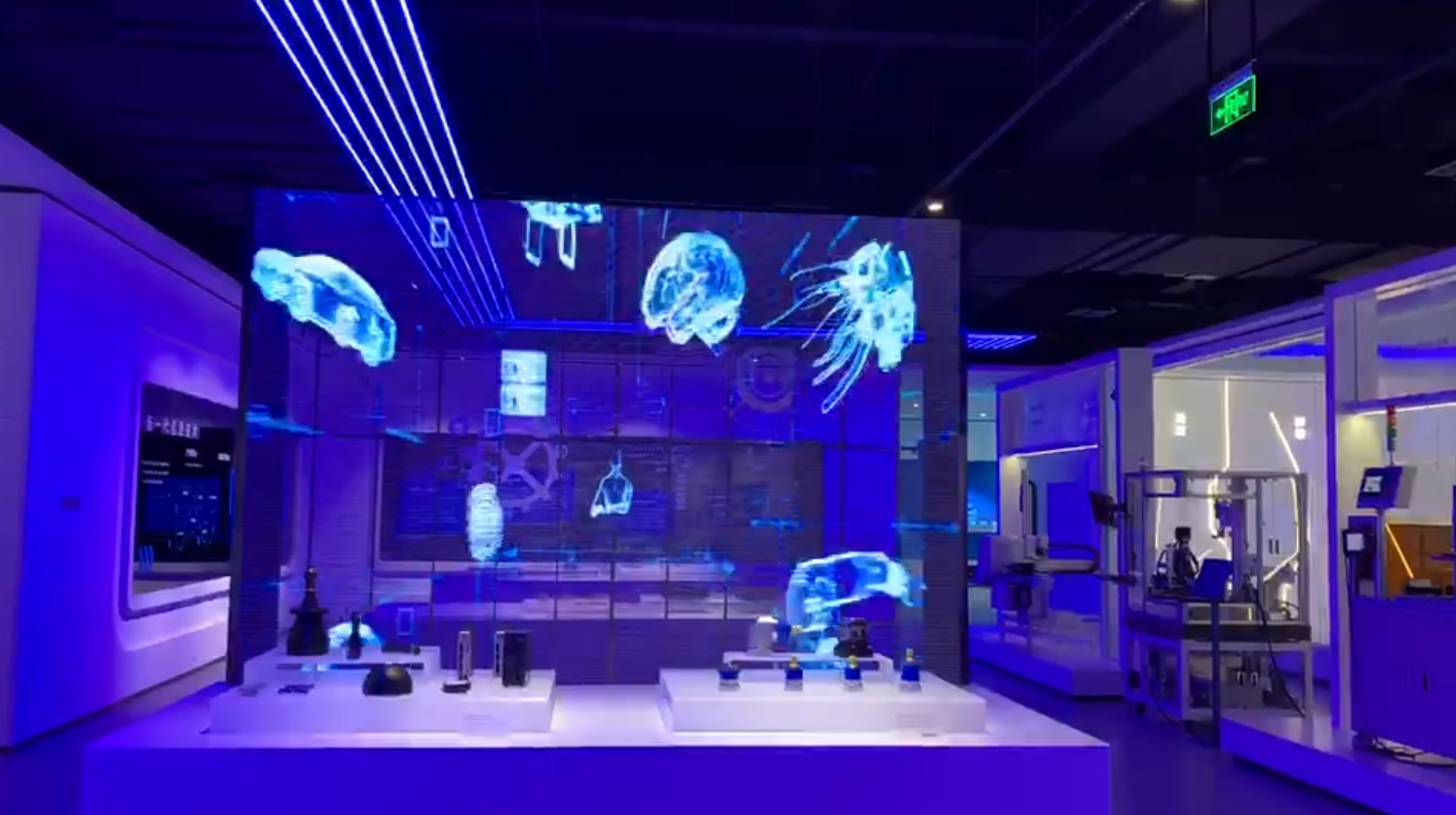
Finish strong: what this delivers
Fix attention loss by prioritizing clarity, serviceability, and content control. Make those choices first and the hardware will follow — that’s the practical approach HDC applies when designing displays that meet operator needs and simplify maintenance: HDC.