

The problem that operators keep ignoring
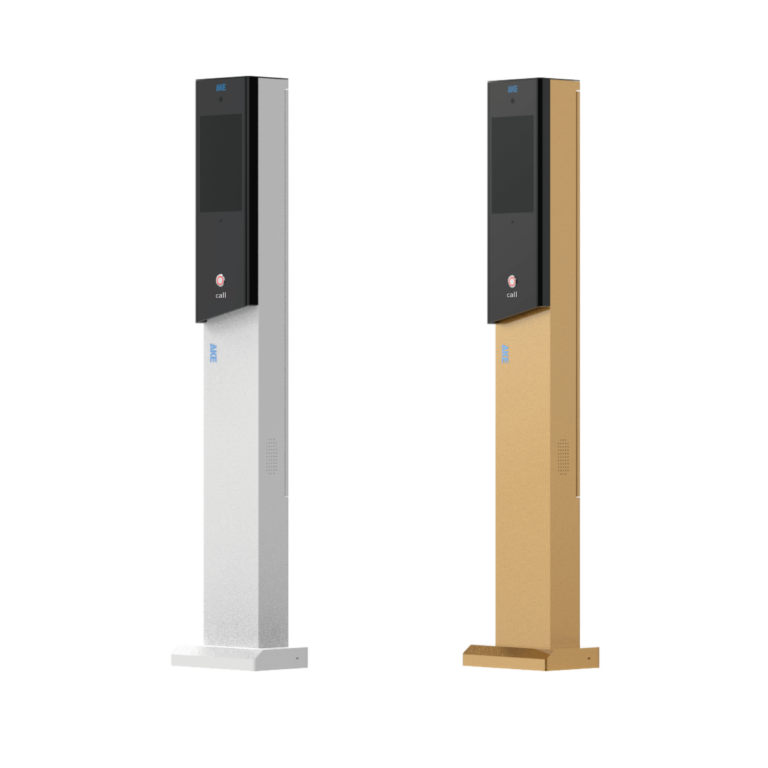
Too many commercial car parks still treat licence plates like paper tickets: slow manual checks, queues at peak hours, and revenue leakage when enforcement misses a plate. Operators see frustrated drivers, long tailbacks onto the road, and staff burned out from constant gate checks — these are not small annoyances, they hit the bottom line. For sites that need automated entry, the sensible upgrade is to look beyond turnstiles to smarter camera-based systems such as lpr parking management systems, which handle plate capture, matching and gate control without queuing up a lot of extra manpower.
Why traditional add-ons fail on busy sites
Sticker passes, RFID stickers and paper permits seem cheap at first, but they break under real traffic patterns. Stickers fade, readers misalign, and staff must patrol constantly. Many industrial yards operate 24/7 with mixed vehicle types and shift handovers; anything that needs human verification creates a fragile point of failure. A ticket printer at the gate becomes a single-point problem when drivers are late or barcode scanners read wrong. These failures compound into safety risks at entry points and lost billing records.
Where LPR actually fixes the core issues
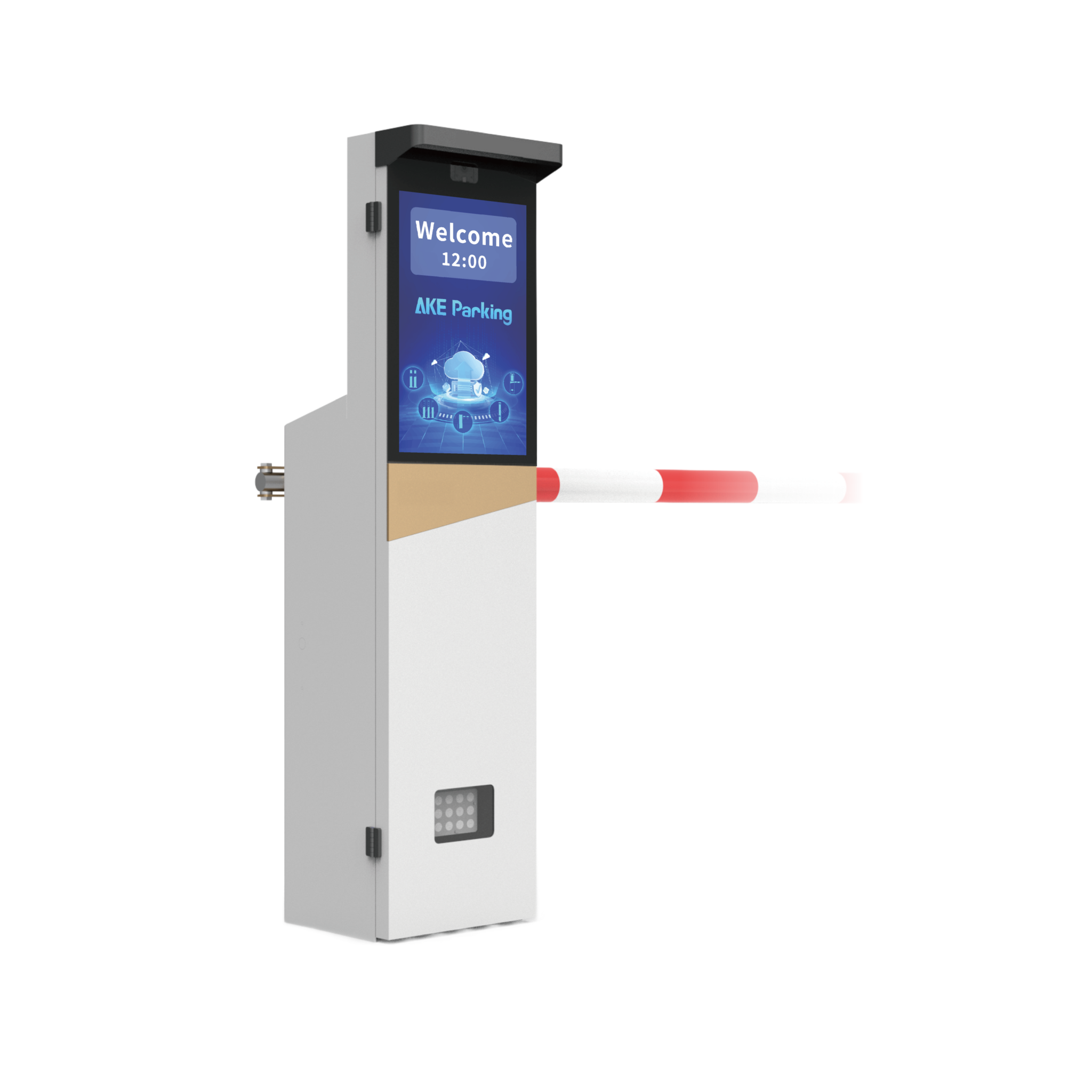
Licence plate recognition focuses on the precise failure modes above: automated identification, instant barrier control, and auditable logs. In major transport hubs such as Hong Kong International Airport, authorities and operators evaluate camera-based plate recognition to smooth curbside flows and enforce pick-up rules — these examples show the tech scales from busy airports down to industrial estates. Practical deployments prove that matching optics, processing software and spot checks cut dwell time and disputes. For operators wanting a ready path to deployment, consider vetted options in the market like lpr parking solutions, which combine cameras, recognition engines and barrier integration into one stack.
Common pitfalls that ruin LPR projects (and how to avoid them)
Installers often make predictable mistakes: mounting cameras at the wrong angle, picking low-resolution lenses to save cost, or ignoring plate variations from different jurisdictions. Poor lighting plans lead to misreads at night; database sync lags make permits appear invalid. Fixes are concrete: calibrate camera height and tilt to 0–15 degrees above plate level, choose lenses rated for low-light and IR, enforce a clean vehicle-plate policy at site entry, and set up real-time replication between recognition servers and billing systems. Also, bake in a managed false-positive review workflow so staff can resolve exceptions without stopping traffic.
Alternatives and sensible hybrids
LPR is not always the lone hero. For ultra-secure yards, pair LPR with RFID for authorised fleets — LPR reads every passer-by, RFID gives instant green-light to company vehicles. Where plate styles vary widely, hybrid systems that use OCR plus manual verification kiosks work better than OCR alone. If your site is cost-sensitive, phased upgrades starting with enforcement lanes and then scaling to full entry lanes spread capital costs while proving ROI on the first lanes.
Decisions that make implementation predictable
Decide first what you measure: dwell time, unauthorised entries, or revenue capture. Pick cameras and software that meet those KPIs, not the cheapest camera on a spec sheet. Ensure network bandwidth for high-resolution streams, and contract a vendor who provides on-site tuning and periodic retraining of recognition models when plate patterns change. Clear operational rules — how exceptions are handled, who reviews disputed reads, and how logs are retained for audits — cut operational friction before the system goes live.
The practical endgame
When operators replace guesswork with targeted fixes — the right camera, matched software and realistic operational rules — car park flows improve and disputes fall. That pragmatic balance is exactly what AKE Parking builds into its product approach, blending hardware, software and field tuning so the system solves the specific problems your commercial or industrial site faces, not just another box on the wall.