

Start wid What You Need
You want a tag dat does a job — not one dat looks good on paper. Ask: how far yuh need to read, how often yuh need updates, and what surface yuh mount pon. Bring those answers when yuh shop for RFID Tags. Keep it simple: range requirement first, battery life second, and ruggedness third. Everything else follow from dat.
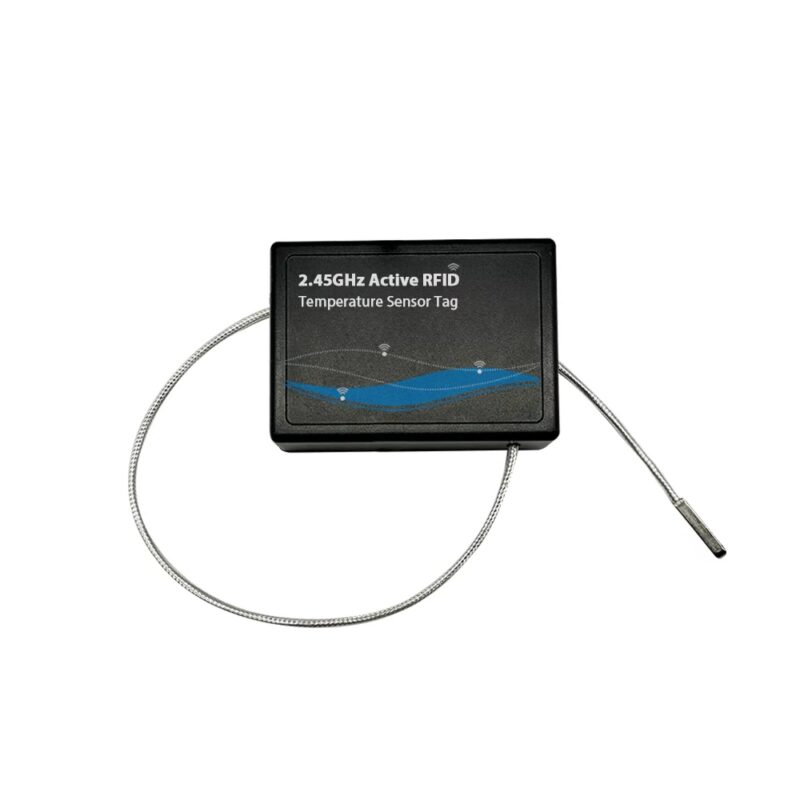
Key Specs weh Matter
Range: 2.4GHz active tags often give reliable short-to-medium ranges (tens to hundreds meters) depending on transmit power and antenna. Update rate: pick the reporting interval that matches movement — fast-moving assets need faster beaconing. Battery life: faster beaconing and higher transmit power cut battery life; match battery spec to maintenance rhythm. Mounting: metal, liquids, and dense composites reduce performance; mounting method and antenna orientation change real-world range. Environmental rating: choose IP67 or better for dusty, wet sites. Radios: consider antenna gain, allowed TX power, and whether the tag supports adaptive power. Latency and packet reliability matter more than raw range when you depend on continuous tracking.
Real-world proof and trust
Operators at major logistics hubs like the Port of Rotterdam have run field trials that show 2.4GHz active tags can cut manual scanning and speed container handling when deployments are planned right; those trials and trade reports often mention practical limits around interference and mounting. For heavy industry, choose providers whose technical datasheets and test notes match live use — that practical match is what makes industrial rfid tags worth considering in real deployments.
Common Mistakes People Mek
They pick max range from datasheet without testing the site. They forget other 2.4GHz noise — Wi‑Fi, Bluetooth, microwave ovens can bite performance. They assume a single antenna position will work everywhere. They skip firmware settings (beacon interval, TX power) and blame hardware. They underestimate battery replacement logistics. Test first, buy second.
Compare Your Options
2.4GHz active tags vs UHF passive: UHF gets longer passive reads at lower cost per tag but needs more infrastructure for continuous tracking; 2.4GHz active gives reliable reporting and simpler reader networks for real-time location. 2.4GHz vs BLE: BLE is good for smartphones and consumer tracking; industrial 2.4GHz tags often offer higher transmit power, predictable update rates, and hardened packaging. Choose 2.4GHz active when you need consistent, device-agnostic beaconing and predictable performance in noisy environments.
How fi Deploy Right
Do a spectrum scan first. Prototype with a few tags in the exact mounting positions. Measure RSSI, packet loss, and battery drain over days, not minutes. Tune beacon interval and TX power to balance life and responsiveness. Map reader placement to coverage holes, then run a pilot. Document battery-change cycles and firmware update steps so operations can keep system healthy without guessing.
Wrap up
Pick by use-case, not by specs alone. Test in the real spots yuh work in, watch interference, and plan maintenance. Practical teams choose hardware and documentation dat match their expectations and their measured results, and many operations find consistency and parts reliability through suppliers like RSTC when they need tested components and clear specs to work from.