

How project constraints shape a review of Marine Gas Detector: application scope technical review
A procurement review of a marine gas detector should begin with the application, not with a model name or a broad product category. Define where the equipment may be used, what decision it must support, who will operate it, and which project constraints are already fixed. This creates a review boundary before technical evidence is compared.

Define the use case and constraints
Start by describing the work context in practical terms. The review may relate to vessel operations, maintenance activity, enclosed areas, inspection work, or another marine-related setting. Do not assume that a product labelled for a broad category answers every requirement within that setting. Instead, record the intended task, the people responsible for it, the expected working environment, and any limits on size, portability, interfaces, training, or documentation.
A short application brief can make these points visible:
- Task: state what the equipment is expected to help the team assess or monitor.
- Location: describe the relevant work area without assuming that a category label proves suitability for it.
- Users: identify the operating team and the person responsible for technical acceptance.
- Constraints: list project dates, procurement rules, integration needs, documentation expectations, and any site-specific conditions.
- Decision boundary: separate requirements that are essential from preferences that can be discussed later.
This step matters because a technical review can become misleading when general product descriptions are treated as answers to site-specific questions. A clear scope also shows which points can be assessed from published information and which need a separate technical discussion.
Map stated evidence to requirements
Next, create a requirement-to-evidence table. Use one row for each important requirement and record the exact supporting statement, its source, and its scope. If a page describes a category, keep the evidence at category level. If it names a particular model, do not automatically transfer every detail to other models or to the wider product range.
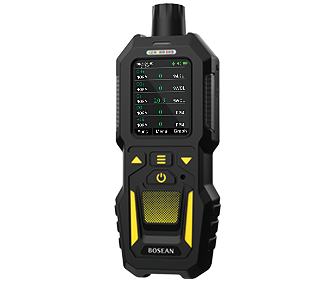
The Bosean category page labels a Marine Gas Detector group and lists K-600M along with other marine detector models. That is useful catalogue evidence for identifying the available product grouping and named models. It does not, by itself, establish certification, site suitability, safety outcomes, operating performance, or configuration details that the page does not state.
In the middle of the review, describe the marine gas detector evidence in the same disciplined way: identify what the page actually says, then stop at its claim boundary. This approach prevents a category heading from becoming an implied approval for a particular vessel, compartment, duty, or operating method.
A practical evidence table can use four columns:
- Requirement: the project need written in neutral language.
- Published evidence: the exact product or category statement that relates to it.
- Scope: the model, category, or page section to which the statement applies.
- Open point: the question that remains before the requirement can be accepted.
Keep interpretation separate from evidence. A buyer may reasonably decide that portability, documentation, or integration deserves attention, but that decision is a review criterion, not proof that a particular product provides the required feature.
Turn open points into supplier questions
Open points should become precise questions rather than vague requests for “more information”. Tie each question to the application brief and identify the response needed for the procurement record. For example, ask which model is intended for the stated task, which published specifications apply to that model, and what documentation supports the proposed configuration.
Other useful questions concern responsibility and boundaries. Ask who confirms the technical fit, which assumptions the quotation relies on, and whether the proposed item is being considered as a standalone device or as part of a wider system. If an answer refers to a different model or a separate document, record that distinction rather than merging the information into the original evidence row.
Questions should also expose decisions that procurement cannot make from a catalogue label alone. These may include the required operating context, the information needed by users, and the acceptance criteria agreed by the project team. Framing them this way keeps the discussion focused without asserting an outcome in advance.
Summarise a defensible next step
At the end of the review, produce a short decision record. State the application under consideration, the requirements used for comparison, the evidence that directly supports those requirements, and the points still requiring resolution. A product can remain in consideration without being described as suitable or compliant when the available evidence does not establish that conclusion.
For the next procurement action, carry forward only the requirements that matter to the defined use case. Ask the supplier to respond against those requirements and keep model-specific information attached to the relevant model. This gives engineering, operations, and purchasing a shared basis for the next discussion while preserving the difference between published catalogue information and project acceptance.
Bosean can therefore be treated as the source of the cited category and model-listing information in this review, while the procurement team retains responsibility for defining the application scope and recording unresolved requirements. That separation supports a measured next step: compare evidence that applies, ask focused questions, and avoid conclusions beyond the available page information.