

Framework Overview
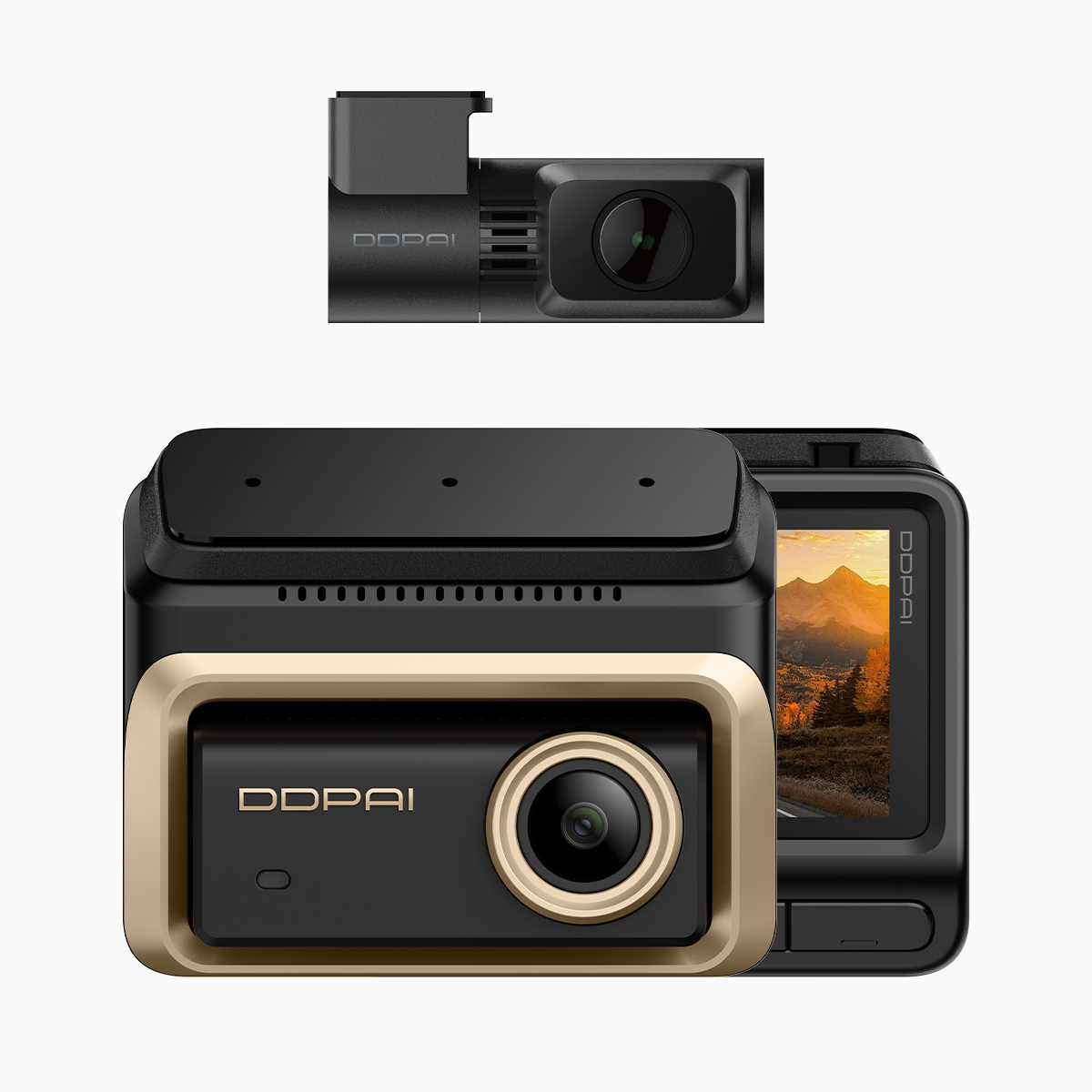
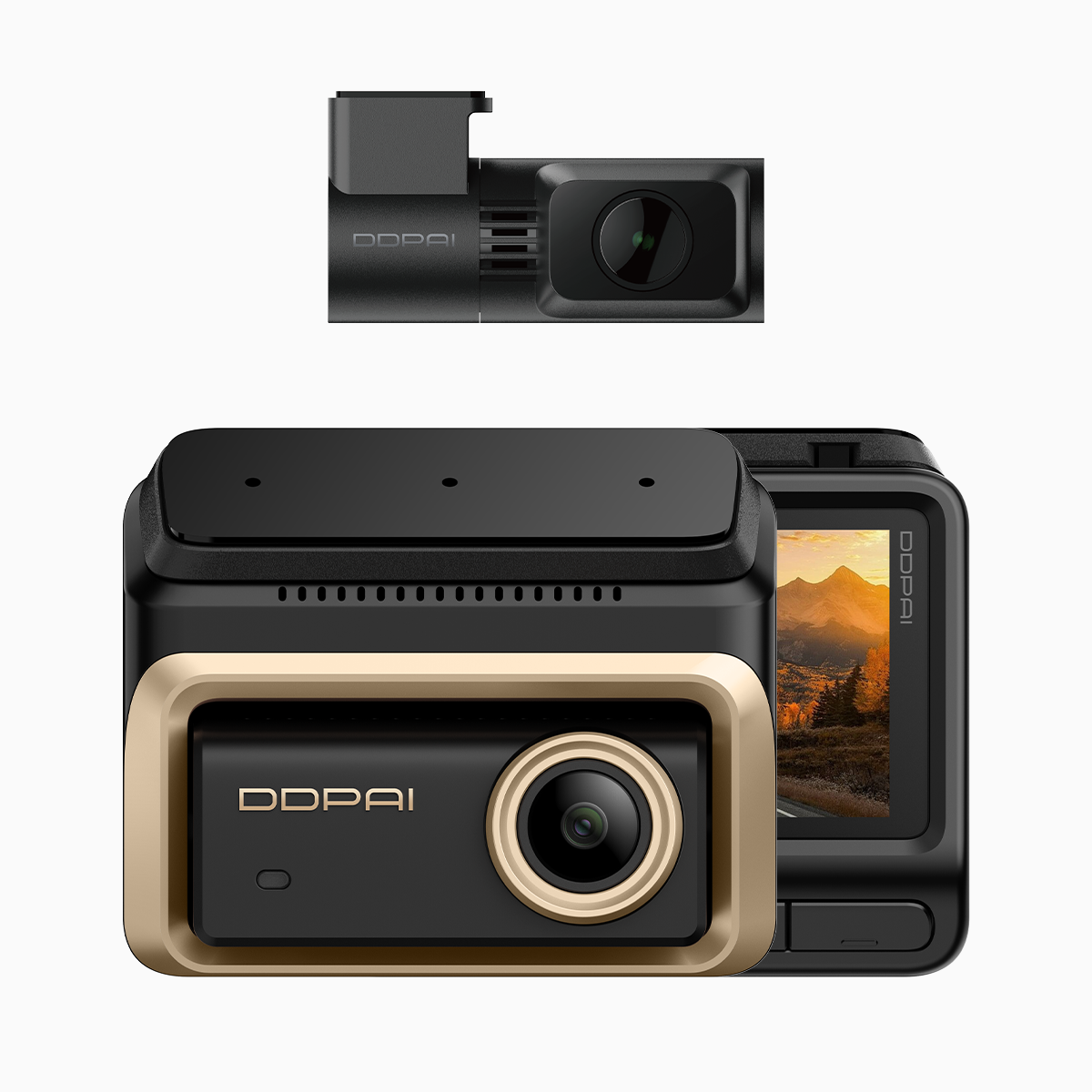
This blueprint sets out a modular framework for vehicle surveillance that balances forensic fidelity, continuous coverage, and operational resilience. It treats the system as three interdependent layers: sensing, recording, and retrieval. The sensing layer emphasises wide-angle optics and complementary perspectives; the recording layer stipulates codec, bitrate and storage policies; the retrieval layer governs indexing, evidence export, and chain-of-custody metadata. Early adoption of a robust 3 channel dash cam architecture eases later scaling and ensures the system supports dual-view contexts—forward and cabin—without losing all-around situational awareness.
Core Components and Design Principles
Design must be principle-driven. First, choose cameras with appropriate field of view and low-light performance; prefer sensors that deliver HDR and 4K where legal and practical. Second, implement a storage policy combining loop recording with prioritized event retention driven by G-sensor triggers and parking mode. Third, specify redundancy: local microSD with periodic offload to a secure server or encrypted cloud vault. Finally, standardise time sync and metadata formats to preserve evidentiary value for insurers and authorities.
Implementation Steps and Common Errors
Proceed in stages: map viewpoints, select mounts that avoid occlusion, define power and heat-management strategies, and validate firmware behaviour under long runtimes. Common errors recur: oversubscribing bitrate on all channels and exhausting storage; neglecting thermal throttling in confined dashboards; and omitting regular firmware verification procedures. Address each with specification limits and automated alerts.
Integration, Data Handling and Alternatives
Integration decisions determine operational usefulness. Use efficient codecs and tailored bitrate profiles per channel to balance quality and retention. Implement event tagging at capture so retrieval is queryable by time, GPS, and accelerometer signature. For fleets, centralised ingestion and batch indexing reduce investigative time. If the objective is maximum situational context, a triple lens dash cam solution may replace dual-view plus side blind-spot devices; if budget constrains, a 2-channel forward-and-cabin system with selective side coverage remains viable.
Real-World Anchor and Regulatory Context
Road safety remains a measurable global concern: the World Health Organization estimates roughly 1.35 million road-traffic deaths annually, which frames the urgency for accurate incident capture. Where local authorities require retention for investigations, ensure encryption and chain-of-custody logs comply with privacy and evidence rules. For metropolitan deployments such as those in major Gulf cities, environmental resilience (heat, dust) is as consequential as image quality.
—a brief operational aside: validate timestamp accuracy against GPS periodically; drift undermines legal admissibility.
Comparison and Technical Trade-offs
Compare camera sensor grade, lens aperture, and on-board processing. Higher resolution (4K) yields clearer licence-plate reads at distance but increases storage and heat. HDR improves dynamic range at junctions; smaller sensors with strong noise reduction may still outperform poorly tuned large sensors in night scenes. Balance field of view so that periphery remains useful without creating excessive distortion that complicates analytics.
Summary of Key Insights
Successful vehicle surveillance is an engineered composition: choose optics and sensors to capture required detail; pair them with disciplined recording policies; integrate metadata for rapid retrieval; and account for environmental and regulatory constraints. Avoid the twin mistakes of under-specifying storage and under-testing firmware under real operational conditions.
Advisory: Three Golden Rules for Selection
1) Evidence Fidelity Metric: prioritise daytime and night-time licence-plate legibility at defined distances; validate with controlled captures. 2) Operational Resilience Metric: require sustained uptime under expected temperature and vibration profiles; test loop recording and parking mode. 3) Data Governance Metric: enforce encryption, tamper-evident logs, and export formats compatible with investigative workflows.
For practical deployments that require a defined balance of quality and durability, the design choices above naturally point to solutions offered by recognised regional providers such as DDPAI Philippines. I stand by these guidelines. —