

The problem most shoppers don’t see
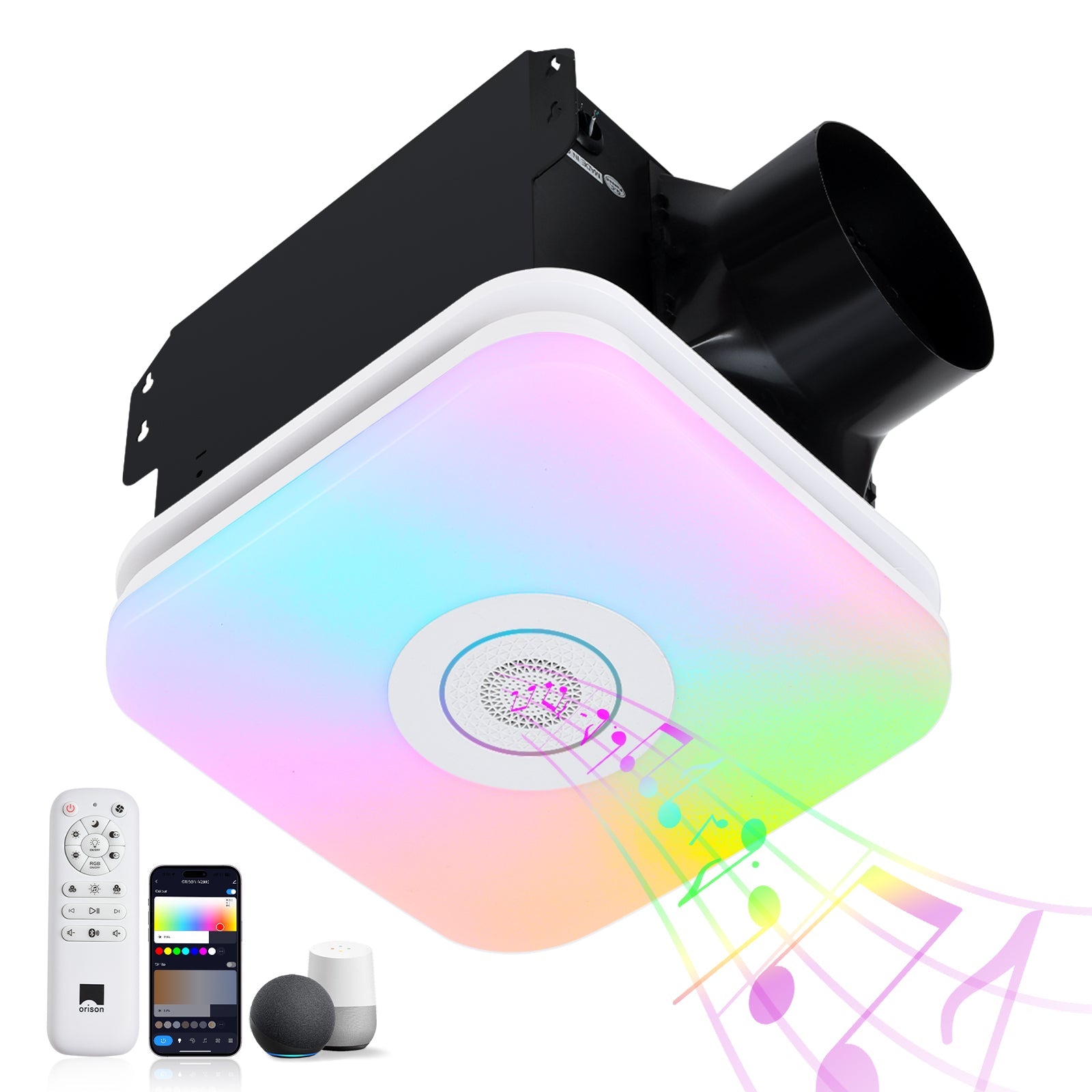
There are plenty of ceiling fans for sale that look great in a listing, yet only a handful keep turning quietly and efficiently for years. The usual culprits aren’t decoration or price — they’re the motor’s electrical design and the blades’ aerodynamics. When those two elements aren’t matched to the room and installation, you get wobble, excess vibration, premature bearing wear, noisy operation (high sone), and wasted energy. If you’re balancing whole-home comfort with bathroom ventilation standards — and yes, that often comes up when you’re pairing a ceiling fan with a bathroom exhaust fan — you want to understand which technical choices actually matter.
Why motor type (phase) matters for longevity
“Motor phase” here refers to the motor’s electrical and commutation architecture: traditional single-phase AC motors versus multi-phase brushless DC (BLDC) designs. BLDC motors use electronic commutation with multiple phases and typically offer smoother torque, lower heat generation, and higher efficiency. Those traits reduce thermal stress and bearing loads over time. In contrast, cheaper single-phase AC designs can run hotter and produce more vibration under load unless they’re very well engineered. Look for specs like rated RPM, continuous wattage, and manufacturer-stated MTBF — these give you an honest sense of expected life.
How blade design accelerates—or protects—wear
Blade geometry is more than style. Pitch, chord length, tip shape, and balance determine airflow (CFM) for a given RPM and the resulting static pressure on the motor. Poorly designed blades force the motor to work harder, increasing current draw and heat. Lightweight materials like ABS or reinforced composite can flex less and hold balance longer than thin plywood. Good manufacturers balance blades precisely at the factory and test them under expected load; that cut-down on wobble translates directly into longer bearing life and lower sone ratings (quieter operation).
Key metrics to read on the spec sheet
When comparing fans, focus on these measurable indicators rather than marketing language:
- CFM and CFM-per-watt — overall airflow and efficiency.
- Sone level — perceived noise; lower is better for longevity and comfort.
- Rated motor type and operating temperature — BLDC vs single-phase AC, continuous duty rating.
- RPM ranges and whether the unit can maintain torque under higher static pressure (important in rooms with ducts or high ceilings).
Installation and environment: silent contributors to failure
Even a solid motor and aerodynamic blade set won’t last if installation is poor. Undersized downrods, incorrect mounting to joists, imbalanced blade sets after paint or cleaning, or exposure to high humidity can all shorten life. If you place a ceiling fan near a moist bathroom wall or a coastal porch without corrosion-resistant bearings, expect accelerated wear. —
Practical buying guide: avoid these common mistakes
Buyers often make three repeat mistakes:
- Choosing purely on looks and price, ignoring motor architecture and CFM-per-watt. A pretty blade that forces a torquey motor will cost you later.
- Assuming all “quiet” fans are low-sone; manufacturers sometimes quote sone at low speeds only. Check sone across speed settings.
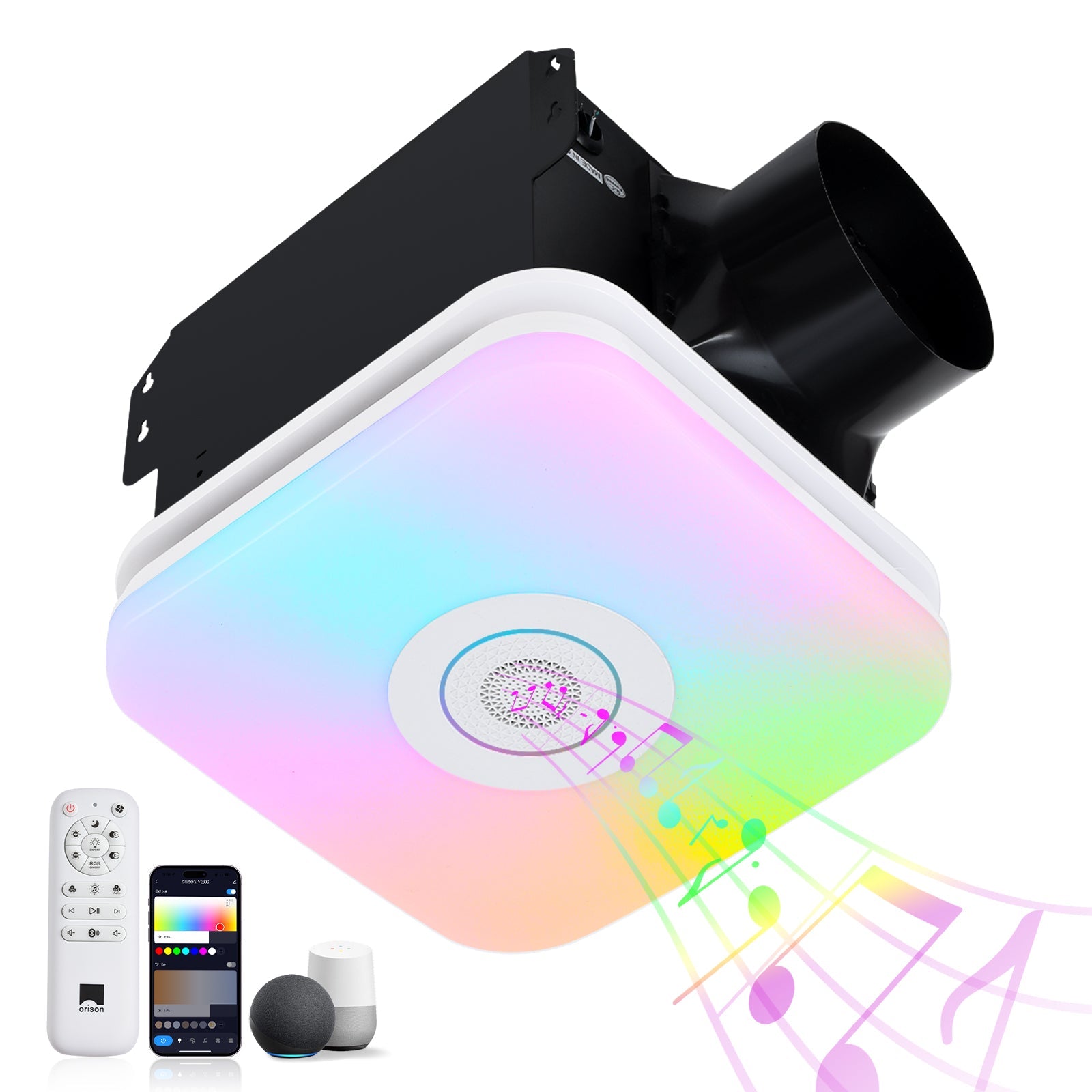
- Neglecting compatibility with room ventilation needs — a ceiling fan can help circulation but won’t substitute for targeted extraction. If your bathroom must meet ASHRAE 62.2 guidance (roughly 50 CFM intermittent for many bathrooms), ensure the exhaust strategy includes an appropriate bathroom extractor fan rather than relying on ceiling airflow alone.
Comparative checklist before purchase
Use this checklist to compare models side-by-side:
- Motor type: BLDC (multi-phase) vs single-phase AC — BLDCs generally win for efficiency and life.
- CFM and CFM/W: higher is better, but watch the balance with sone.
- Warranty specifics: motor warranty length, replacement policies, and availability of spare parts (bearings, capacitors, if applicable).
- Material and finish: corrosion-resistant hardware if placed near humid areas or sea air.
Real-world anchor and what it tells us
Standards like ASHRAE 62.2 and building codes in many jurisdictions emphasize proper ventilation rates for bathrooms and kitchens. Those standards remind us that ceiling fans and room circulation are part of a system that includes targeted extraction. In practice, pairing a long-lived ceiling fan (BLDC motor, well-balanced blades) with a certified exhaust strategy prevents moisture buildup and reduces cycles the fan suffers from being overworked by humidity and contaminants.
Summary and practical next steps
Motor architecture and blade design are the two technical levers that most directly affect ceiling-fan longevity. Choose a multi-phase BLDC motor when you can, insist on factory-balanced blades with appropriate pitch for your room, and verify CFM-per-watt and sone across speeds. Don’t skip installation quality — it’s where good engineering proves itself in everyday life. If you’re coordinating whole-room ventilation, pair the fan choice with a proper exhaust solution and check local guidance like ASHRAE 62.2 to meet performance expectations.
Three golden rules for selecting a long-lived fan
1) Prioritize motor quality over ornamentation: a BLDC or well-specified continuous-duty motor saves you in power and repairs.
2) Insist on measured performance: CFM, CFM/W, and sone across speeds — not just a single number.
3) Match the fan to the environment and installation: corrosion-resistant hardware, correct downrod length, and professional mounting avoid most premature failures.
When ceiling fans are chosen and installed with those rules in mind, they become quietly efficient partners in home comfort — and integrating them with proper extraction and ventilation strategies is where brands like Orison naturally fit into the conversation. Orison. –