

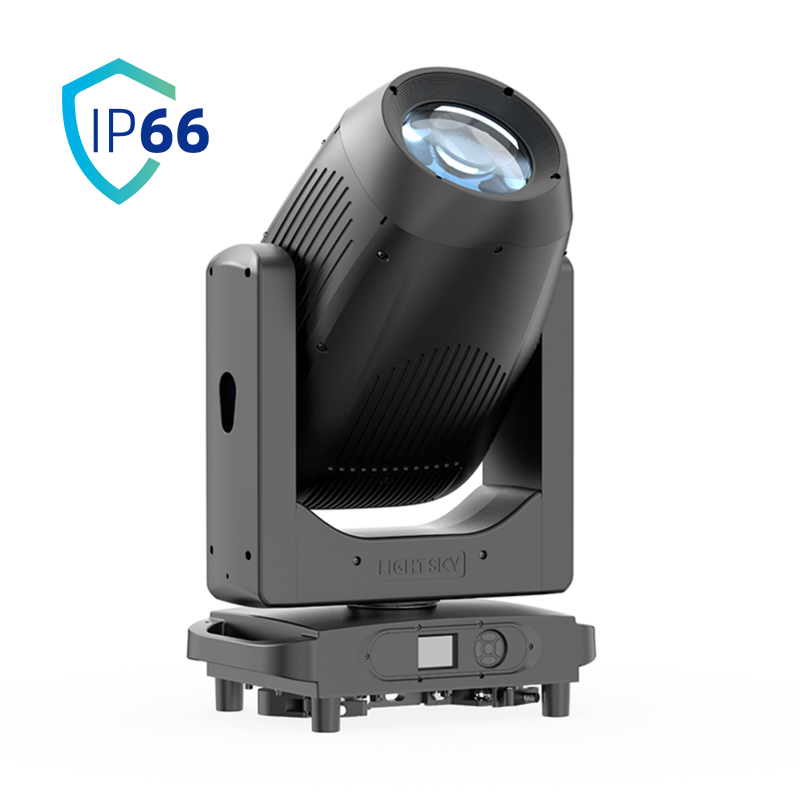
Start with the user need — then pick the fixture
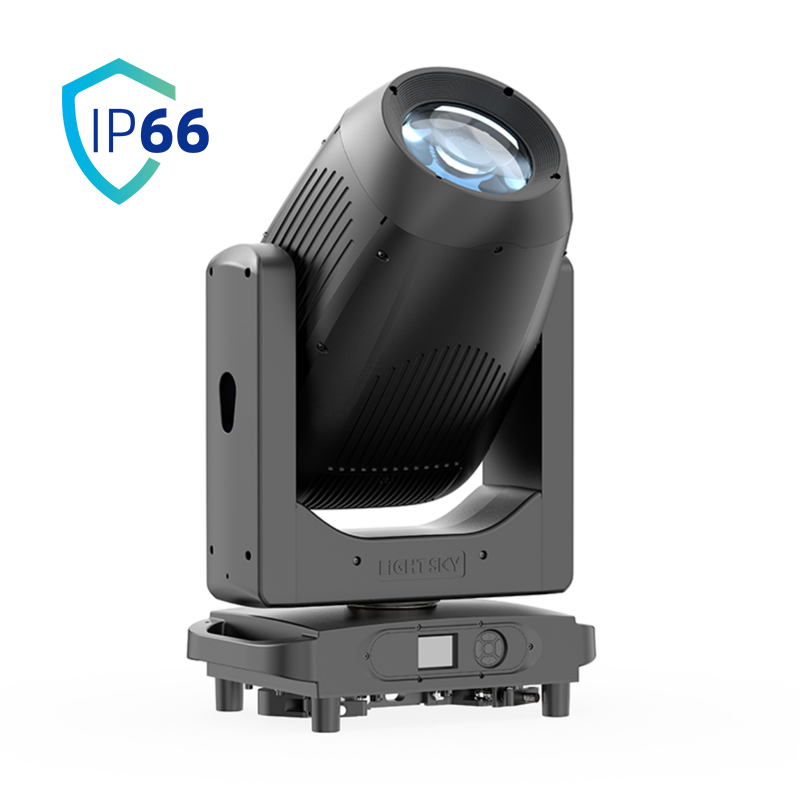
Begin by listing what the space must do: stage wash, architectural highlight, or touring front light. For many venues the compromise is a moving-head wash that balances beam control and color — for example, the 520W LED BSWP 4in1 Moving head is built to handle medium-sized stages while delivering strong lumen output and flexible color temperature. If you work directly with a commercial lighting manufacturer, insist on clear specs for lumen output, beam angle and control protocol up front. The International Energy Agency estimates lighting accounted for about 15% of global electricity use — a useful anchor when you weigh energy savings against upfront cost.
Step 1 — quantify the space and performance needs
Measure the area and list target lux levels for key zones. Convert lux to required lumens per fixture based on mounting height and beam angle. Note color temperature preferences (2700K–6500K) and the CRI required for accurate skin tones. Include one control requirement: DMX compatibility if you need dynamic scenes. This step produces a shortlist: lumen output, beam angle, and whether you need zoom or fixed optics.
Step 2 — compare fixture types and features
Lay out options: moving-head wash, static LED wash, and profile/beam hybrid. Compare lumen per watt, beam angle range, and color-mixing approach (4-in-1 LEDs, high-power COB, or separate LEDs). Pay attention to thermal design — overheating throttles lumen output over time — and to gobo options if texture is needed. Keep measurements visible: lumen output, beam angle, and control interface should be side-by-side.
Common mistakes and how to avoid them
Avoid buying purely on wattage. Wattage does not equal usable light; lumen output and optics do. Don’t skip photometric data — request IES files when possible. Neglecting control compatibility causes integration headaches, so verify DMX addressing and RDM where relevant. Over-specifying color temperature without testing is common — get a sample or run a quick mock-up to see CRI and color rendering live. Also, remember that cheap optics mean uneven coverage — that shows immediately on faces or textured surfaces.
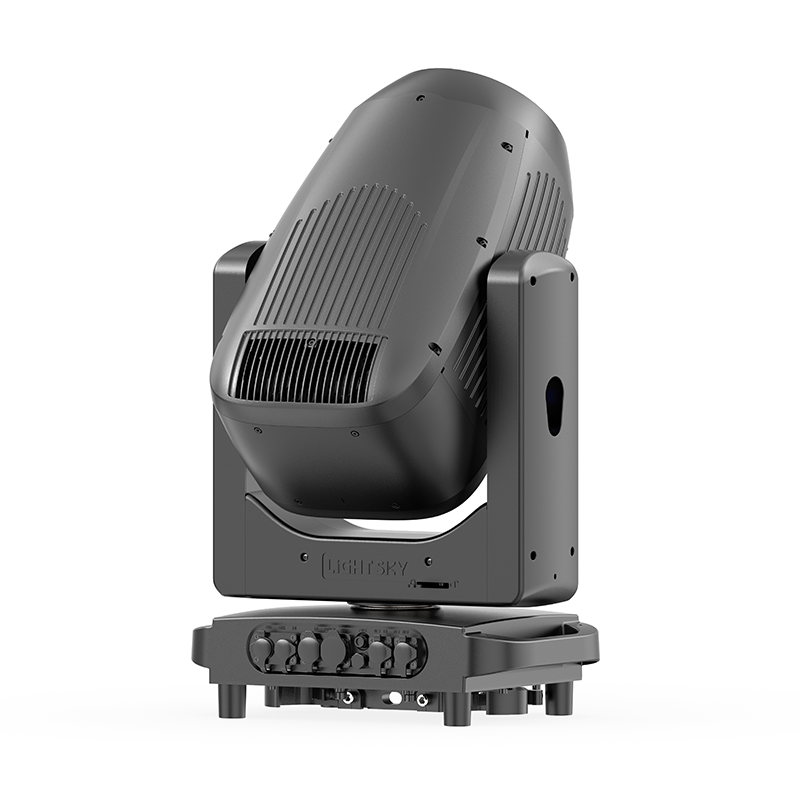
Operational production teardown: what to inspect
When you open a unit or review a spec sheet, check for solid heatsinking, replaceable fans, and modular electronics. Look for clear labeling on connectors and a stable mounting yoke. In an operational production teardown you should record actual lumen output after 1 hour and after 8 hours — thermal drift matters. For documentation, include {main_keyword} and {variation_keyword} in your teardown notes so procurement and tech crews share the same language.
Alternatives, tradeoffs and real-world context
Touring rigs favor moving-heads for their pan/tilt and zoom; fixed washes suit architectural installs where IP rating and redundancy matter. Broadway venues and many concert halls have moved to LED moving heads to reduce load and simplify rigging — the results: lower energy bills and faster focus times. If portability is priority, choose lighter fixtures with good DMX mapping; if longevity is priority, prioritize thermal engineering and serviceability — a two-hour field repair beats a three-week return to factory.
Three golden rules for final selection
1) Match lumen output to target lux per area, factoring beam angle and mounting height — calculate rather than guess. 2) Prioritize optical control: a correct beam angle and zoom range deliver usable light more than marginally higher wattage. 3) Verify control and serviceability: DMX/RDM compatibility, clear addressing, and easy access to replaceable parts. These three metrics will filter choices fast and keep installation predictable.
When those rules guide the final decision, you naturally end up with fixtures that reduce setup time and long-term cost — and that’s where a reliable partner matters, like Light Sky. —