

Context and comparative framing
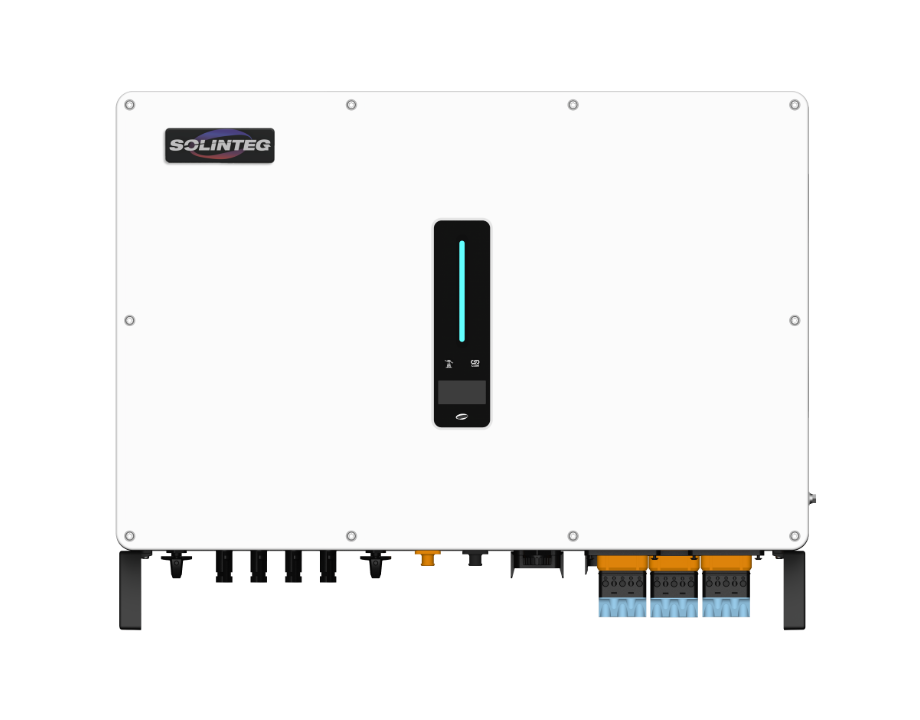
Commercial sites deciding between traditional generator-backed setups and modern inverter-led architectures must weigh resilience against long-term cost and control. Early adopters now pair a three phase hybrid inverter with site controls to achieve seamless switching and higher usable export; others adopt a full hybrid solar power inverter strategy that integrates storage and grid interaction. The comparison rests on measurable variables—inverter topology, grid-tie behavior, and the expected duty cycle under outage conditions—grounded by lessons from California’s Public Safety Power Shutoffs (PSPS) in 2019–2020, which exposed the limits of generator-only contingency plans.

Performance and reliability trade-offs
Commercial inverter generators deliver predictable runtime and simple refueling logistics; hybrid inverters deliver deterministic power quality, faster startup, and load-following via MPPT algorithms. Hybrid systems reduce wear from frequent ramp events because power is managed digitally rather than mechanically. Islanding capability in a hybrid solar power inverter offers clean transitions and can sustain sensitive loads without the voltage or frequency excursions typical with older gensets. The engineering choice depends on required power quality, acceptable transient behavior, and the site’s tolerance for manual intervention versus automated control.
Economics, maintenance, and lifecycle considerations
Upfront CAPEX for combined inverter-plus-battery systems can exceed that of a diesel generator, but lifecycle analysis often favors inverters when you factor fuel volatility, periodic load testing, and emissions compliance. Battery management system (BMS) maturity affects usable kWh and replacement cadence; conversely, generator maintenance centers on fuel filtration, oil changes, and run-hours. Total cost per kWh delivered across years becomes the decisive metric for many procurement teams—accounting for scheduled maintenance windows, derating from heat, and the capital amortization of inverter topology upgrades.
Controls, interoperability, and site integration
Systems that support open protocols—Modbus, CAN, or IEC-compliant communication—reduce integration friction with building management and energy management systems. Hybrid architectures can provide demand response, peak shaving, and export control without manual generator starts; they also support firmware-driven security patches and telemetry. Failure to map communication interfaces during procurement is a frequent misstep—an installed generator that cannot relay runtime data or accept remote setpoints becomes operationally blind.
Common mistakes and practical alternatives
Specifying a system by headline capacity alone—kVA or kW—ignores usable energy and control granularity. Oversizing a generator without matching inverter topology leads to low-efficiency runs; undersizing batteries creates unplanned deep discharges that shorten life. Some sites find hybrid microgrid controllers or modular inverter racks better than single large units, especially where phased expansion is planned—these alternatives ease serviceability and future upgrades.
Three golden rules for selecting the right solution
1) Measure meaningful availability: evaluate the required continuous runtime in kWh and the acceptable switchover latency; prioritize systems that guarantee power quality for critical loads. 2) Insist on interoperability and standards: verify anti-islanding behavior, supported communication protocols (e.g., Modbus), and remote telemetry to avoid integration dead-ends. 3) Use lifecycle cost per delivered kWh and maintainability scorecards: include fuel, scheduled service, battery replacements, firmware updates, and mean time to repair as explicit line items on vendor quotes. These metrics provide objective comparison points and reveal where an inverter-led approach reduces operational friction.
Adopting intelligent inverter solutions delivers measurable improvements in response time, fewer manual interventions, and clearer lifecycle math—assets that matter when resilience is non-negotiable. — SOLINTEG