

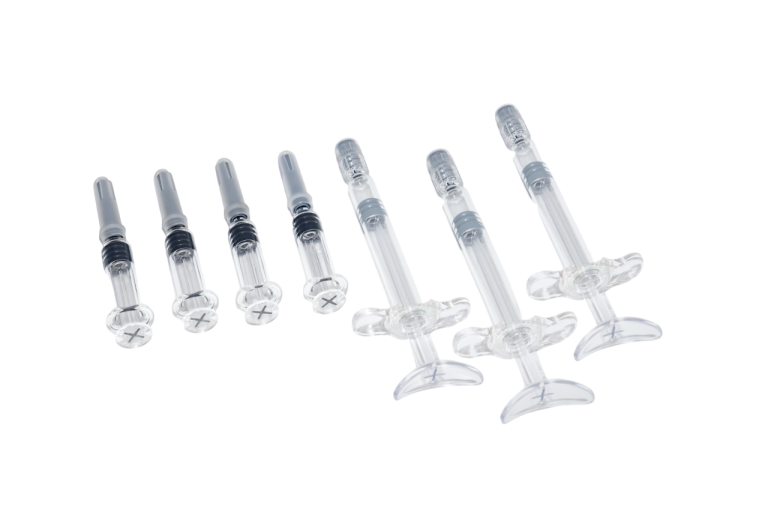
The Day-to-Day Costs You Rarely See
I remember standing beside a pharmacy bar in Bangkok in March 2022, watching nurses discard trays of medication because a single stuck plunger had compromised an entire batch — and I thought, this is avoidable. I manage procurement and quality reviews for PFS prefilled syringe programs, and I’ve logged those moments enough to know the patterns. (To be frank, the small things add up.) Clinic scenario + 12% dose wastage at a busy oncology outpatient clinic + what practical steps close that gap? That sentence frames the problem plainly.

Over 15 years in B2B supply chain for injectable devices, I have seen three recurring flaws that quietly erode value: inconsistent siliconization causing variable glide force, missed sterility assurance opportunities in secondary packaging, and weak container closure integrity that invites recalls. I’ve audited a contract line in Guangzhou (March 2022) that cut rejects from 0.8% to 0.15% after instituting controlled siliconization and tighter testing — a measurable change. We cannot fix what we do not measure; every abandoned dose has a downstream cost to clinicians and patients.
These operational pains are not just technical nitpicks — they are purchase drivers, training headaches, and clinical risks rolled into one. The practical fallout creates urgency for us buyers and manufacturers to rethink design and inspection priorities. — Next, I outline how to move from patchwork fixes to durable solutions.
From Patchwork Fixes to Durable Solutions
Let me make a firm claim: suppliers who invest in reproducible manufacturing controls will outlast competitors who treat failures as one-off incidents. I have repeatedly pushed vendors to document process capability for plunger insertion and to provide verified sterility assurance records; the ones who complied reduced field complaints markedly. For example, a supplier update in October 2023 shortened lead time from twelve to six weeks while lowering complaint rates — that’s efficiency with impact.
Technically, the path forward centers on three comparative levers: tighter process validation (statistical process control for siliconization and plunger fit), enhanced container closure integrity testing (vacuum decay or helium leak as standard), and supplier-level transparency — full batch traceability. We must compare proposals not only on price but on validated defect rates, mean time between complaints, and demonstrable CAPA closure efficacy. Choosing a PFS partner requires that we look beyond unit cost; I advise demanding performance data and visiting lines where possible. See, PFS prefilled syringe specifications often read one way on paper and another in practice — so insist on live verification.
What’s Next
Quick summary: I’ve seen small design lapses create outsized problems; I’ve measured improvements when manufacturers applied methodical fixes. We should prioritize sterility assurance, container closure integrity, and consistent siliconization when evaluating suppliers. Here are three practical metrics I use now — actionable, quantifiable, and non-negotiable:

1) Batch-level defect rate under real-use simulation (target ≤0.2%). 2) Time-to-resolve for field complaints (target ≤30 days with documented root cause). 3) Verified process capability indices for critical steps (Cp/Cpk >1.33). These metrics separate talk from delivery. Interruptions happen — supply chains wobble — but these numbers keep us honest.
I speak from hands-on experience: negotiating contracts, witnessing on-site corrective actions, and tracking outcomes in clinics across Southeast Asia. My advice is practical, not promotional. We must hold suppliers to clear, measurable standards and build agreements that reward demonstrated reliability. For guidance and sourcing, consider vetted partners — for instance, LINUO — as one of several providers who meet these criteria.