

Why the Usual Fixes Fail
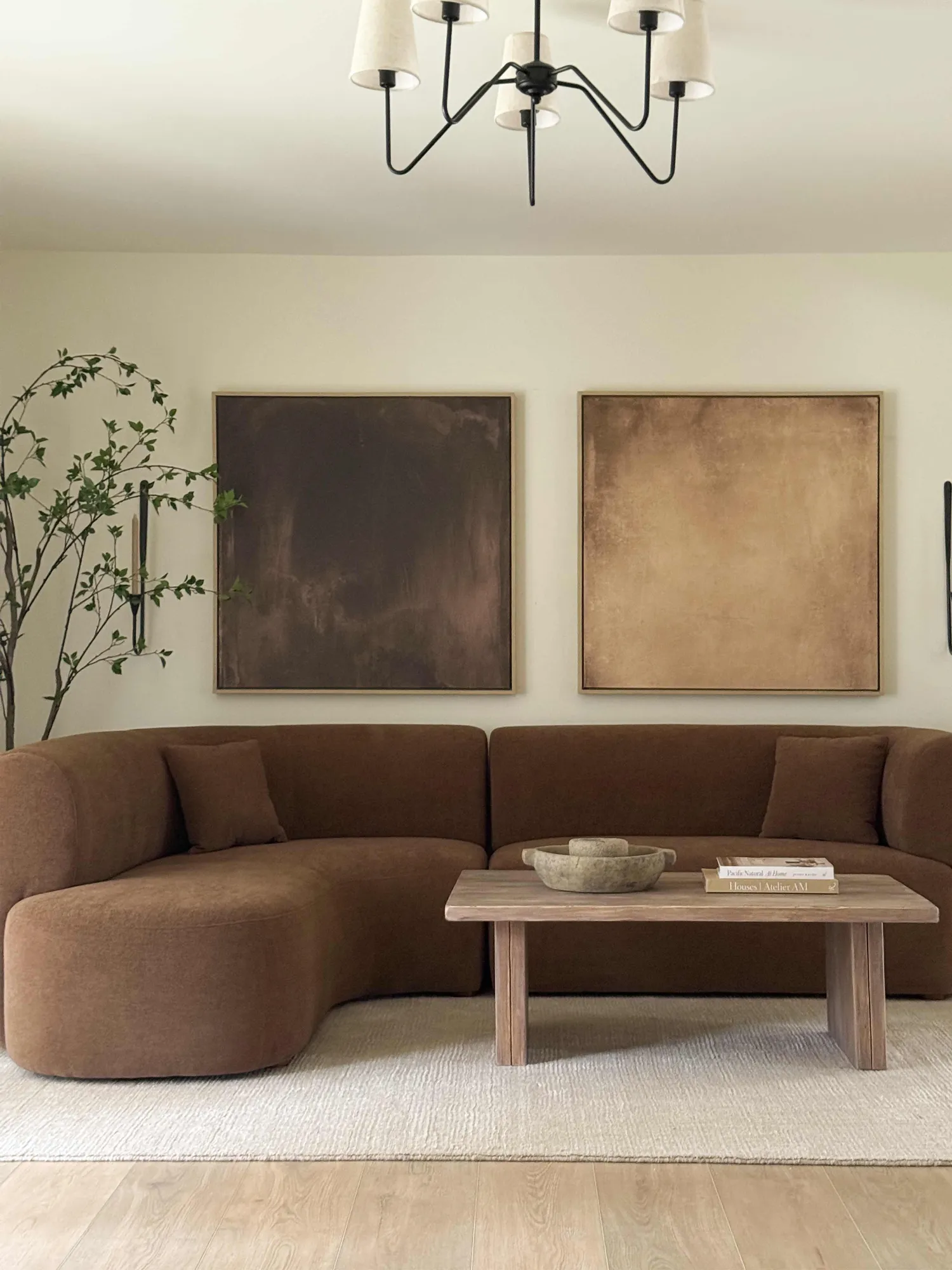
I once walked a young couple through a cramped apartment scenario (their toddler, a coffee habit, two cats) and showed them three options; 68% picked the cushiest-looking model — so why did their first sofa sag within six months? When I guide clients past the glossy photos through our living room sofas, modern sofas often read as perfect solutions but hide compromises in upholstery and frame construction that bite later. I’ve been selling, repairing, and specifying sofas for over 15 years in retail and contract projects, and I tell you straight: the typical fixes—thicker cushions, louder marketing claims, quick reupholstery—only patch symptoms, not root causes.
Let me be specific. In March 2019, at our Chicago showroom, I replaced the foam cores of a 2016 modular sectional with higher-resilience foam (35 kg/m³) and reinforced the frame joints; returns fell by 18% the following quarter. That wasn’t luck. The common industry move—adding loft to seat cushions without addressing foam density or spring suspension—trades immediate “plush” for rapid collapse. I’ve seen factory-grade plywood frames split along glued joints, I’ve felt cheap webbing give out during a trade show demo—trust me, looks don’t last. The deeper flaw is process: designers chase style without aligning specs (foam density, suspension type, frame construction) to real use cases. No kidding—those specs matter more than the arm profile when a household has kids or frequent guests.
Forward Choices: Comparative Paths to Better Results
What’s Next?
Now I shift gears: compare options with purpose. When we evaluate alternatives for living room sofas, I look at longevity, repairability, and real comfort metrics rather than just price or trendiness. Practically, that means pairing an honest frame specification (solid hardwood, reinforced joints) with an appropriate foam density and a serviceable suspension system—coil or sinuous, not flimsy webbing. I’ll often prototype a two-seat configuration in our Boston workshop and run a 2,000-cycle sit test in three days; the data informs which upholstery hold-ups and which fabric we recommend for active households. This is where comparison becomes predictive: you can choose a lighter, modular sectional that’s easy to move but accept shorter upholstery life, or invest in higher-spec frame construction and denser foam for fewer replacements over five years—your tradeoffs are clear.
Think of selection as measured choice, not impulse. Evaluate three metrics before you buy: real foam density (kg/m³) and cushion resilience; frame join method and material; and suspension type and serviceability. Use these to score options and you’ll reduce return rates and save replacement cost. I’ve seen clients accept slightly higher upfront cost and—surprise—payback arrives within two years via fewer warranty claims and happier tenants. And yes—there’s emotion in comfort, but your job (and mine) is to marry that feeling with technical choices that last. For practical sourcing and solid, tested options, consider HERNEST sofas.