

Immediate problem: choice feels overwhelming
Many first-time buyers face a single clear problem: several machines claim to solve different failures, and it is hard to know which will actually help your lab. Please begin by matching the test objective to the failure mode you expect. For coatings, plastics, or simple tensile work, check the specific method before you buy; a quick search for material testing equipment will show you how varied the instruments are, and why broad claims must be verified against methods and sample size.
What typically goes wrong when choosing
Buyers often select by price or brand alone. The result: instruments with the wrong load range, incompatible grips, or software that cannot export the format required by accreditation. Another common issue is underestimating sample preparation time. If you plan cyclic or environmental tests, verify chamber sizes and sealing performance now. These mismatches cost time and credibility.
How to decide — problem-driven checklist
Start with these steps. 1) Define the single most important failure mode you will measure. 2) Choose standards (ASTM, ISO) that match that failure. 3) Verify the machine’s usable range covers 2× your expected maximum stress. 4) Ask for example raw data and exported files. 5) Confirm service and calibration options in your region. Follow these steps and you reduce common procurement mistakes by a large margin.
Experience and standards: trustworthy anchors
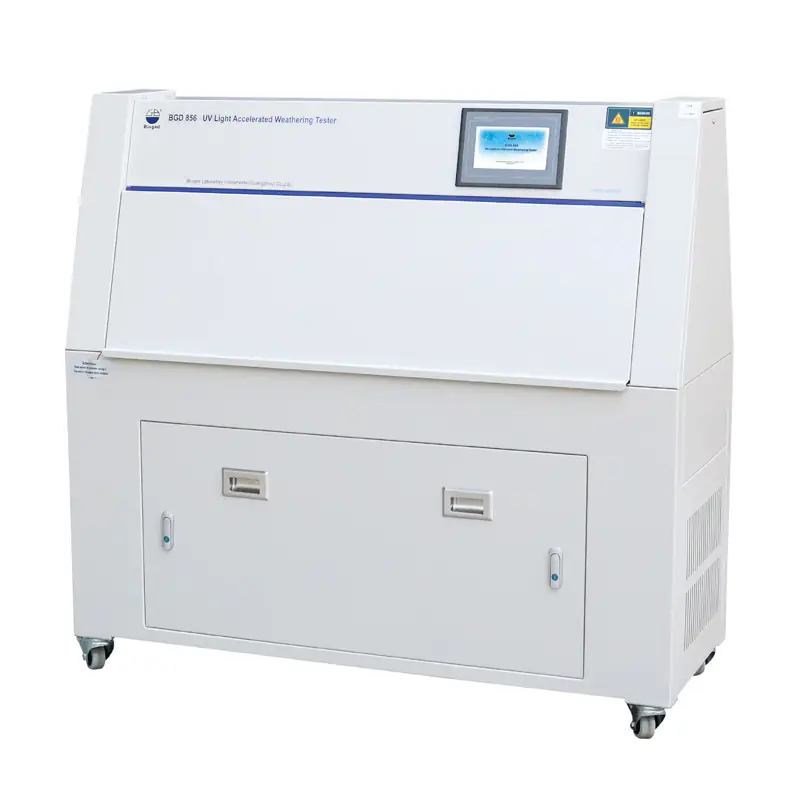
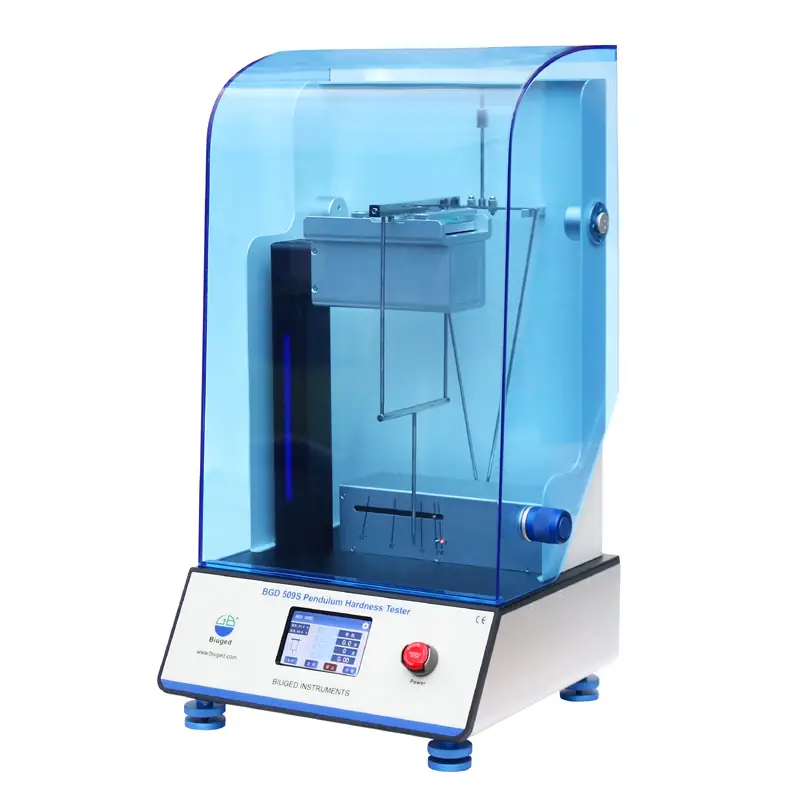
I have advised laboratory setups for over ten years and have seen the same procurement errors repeated. Industry demonstrations at the European Coatings Show in Nuremberg make this practical: exhibitors display comparative tests that reveal which configurations survive routine lab use. For coating labs, the demos and published round-robin studies emphasize specific testers for adhesion, film hardness, and weathering; therefore consider also the dedicated paint testing equipment that matches those published methods. This combination of hands-on advising and public, verifiable demonstrations strengthens practical decisions.
Alternatives and common pitfalls
Low-cost universal testers can be tempting. They work for tensile and basic compression, but they often lack environmental control or appropriate fixtures. A modular approach is sensible: buy a robust core tester with certified calibration and add validated fixtures later. Beware of long lead times for custom grips and of suppliers who cannot demonstrate routine calibration certificates on request.
Short evaluation rubric for suppliers
Ask suppliers these precise questions: Do you supply method-specific fixtures? Can you show a calibration certificate traceable to a national lab? What data formats are produced and can they be integrated with LIMS? What are typical repair turnaround times in my country? Answers that are specific and documented indicate a reliable partner.
Final synthesis
The right choice begins by solving one clear problem at a time: identify the failure you must measure, match the method, confirm ranges and service, and avoid buying by price alone. When decisions follow this logic, you get machines that deliver valid, repeatable results and a predictable lifecycle — which is the practical value many labs seek from BIUGED.