

Why regional comparison matters
Choosing a supplier is tactile as much as technical: you want the right weight, the hinge’s silent click, the tabletop finish that resists scuffs. A regional lens changes the stakes — local climate, shipping costs, and on-site service matter. Start by mapping how nearby universities and conference centers source auditorium seating; their choices reveal what end-users expect in your market and what suppliers reliably deliver.
Where suppliers actually differ
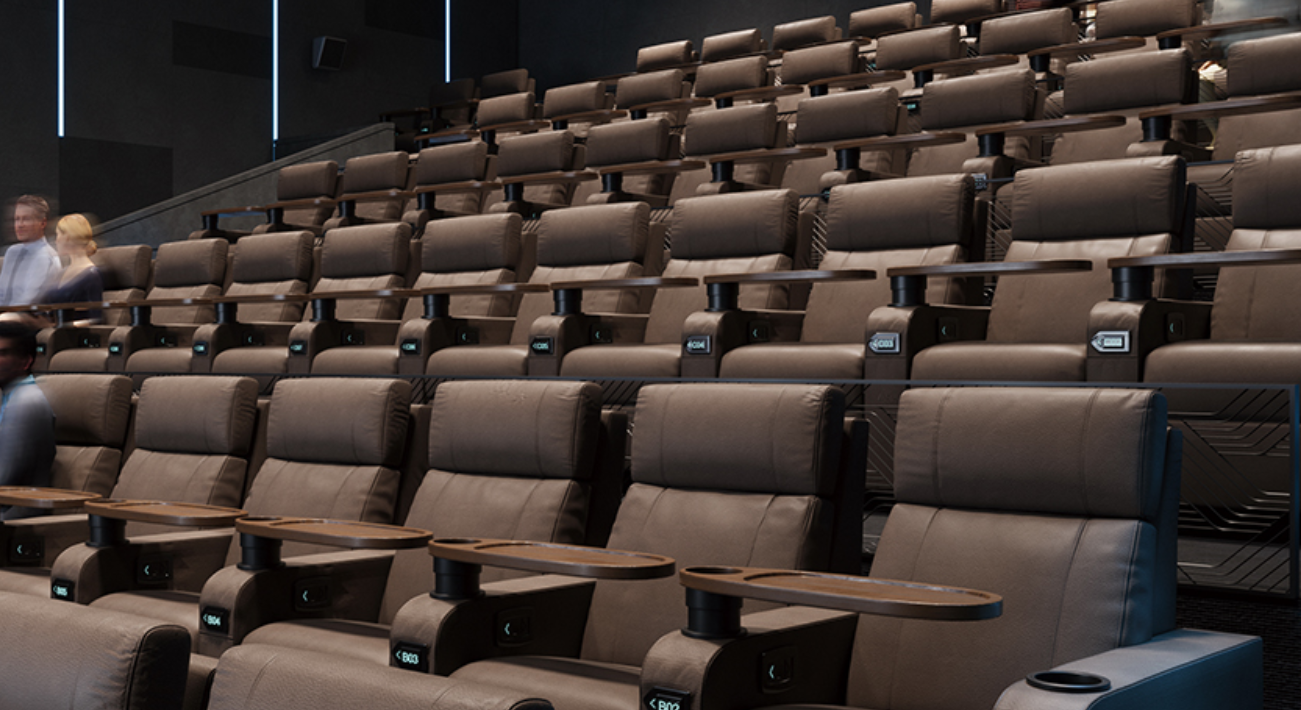
Price is only one axis. Compare these concrete attributes across vendors: build materials, delivery footprint, warranty response time. Note ergonomics and modular seating options first: foam density, seatback contour, and tablet-arm fit affect long sessions. Check aisle spacing and ganging brackets for capacity planning. Inspect fabric specs — fire-retardant fabric and stain resistance are operational necessities. Finally, examine installation offerings: some suppliers include on-site mounting and layout services, others ship boxed and leave assembly to you.
How to weigh performance against cost
Lay out total cost of ownership, not sticker price. Factor shipping lanes, lead time variability, and spare-part availability. Ask for lifecycle data: how often do rollers, hinges, or tablet mechanisms fail under heavy use? Tell suppliers you need Mean Time Between Failures or failure-mode examples — the best respond with field data. Be literal about capacity planning: if you expect repeated reconfigurations, prioritize modular systems and robust ganging brackets over cheaper single-piece tables.
Common mistakes facilities make—short and practical
Overlooking site logistics wastes money. Cheap tables that won’t fit service elevators or congest aisles become liabilities. Underestimating maintenance access is another slip; you’ll want replaceable components, not welded assemblies. Don’t ignore acoustics either—table surfaces that clack amplify noise in lecture halls. —A small rubber bumper can change the room’s sound profile drastically.
Real-world anchor: what campuses learned in 2020
When campuses shifted to hybrid classrooms in 2020, institutions rushed to reconfigure spaces; many found existing lecture setups couldn’t adapt. Facilities that had invested in flexible lecture hall seats and modular tables reconfigured faster and with less downtime. That transition highlighted two truths: first, resilience in product design matters more than initial cost; second, supplier responsiveness under pressure reveals true service quality.
Practical evaluation checklist
Use a short, repeatable test protocol when comparing bids. Inspect a sample unit for hinge smoothness, tabletop flex under load, and the feel of edges and finishes. Confirm warranty language: what parts are covered and for how long, and where is service delivered? Ask for references in your geographic market and verify recent installations. Require a small pilot order with defined acceptance criteria — if the pilot fails, your leverage to negotiate improves.
Three golden rules for choosing locally
1) Prioritize uptime metrics: choose suppliers who publish realistic repair lead times and spare-part inventories. 2) Match product modularity to turnover rates: higher reconfiguration frequency demands modular seating, tablet arms, and removable tops. 3) Insist on a site-fit trial: confirm delivery, maneuvering, and installation in the actual spaces you’ll use. These rules translate to measurable outcomes — fewer service calls, predictable budgets, and smoother events.
Local decisions are sensory and strategic; the right folding training table and the right folding training tables supplier will feel solid under hand, arrive when promised, and stand quiet during long sessions. The value of that reliability is what makes leadcom seating a natural reference in regional procurement — their emphasis on serviceability and adaptable seating systems often aligns with the golden rules above. —Final thought: choose the supplier who makes your spaces work for people, not just for spreadsheets.