

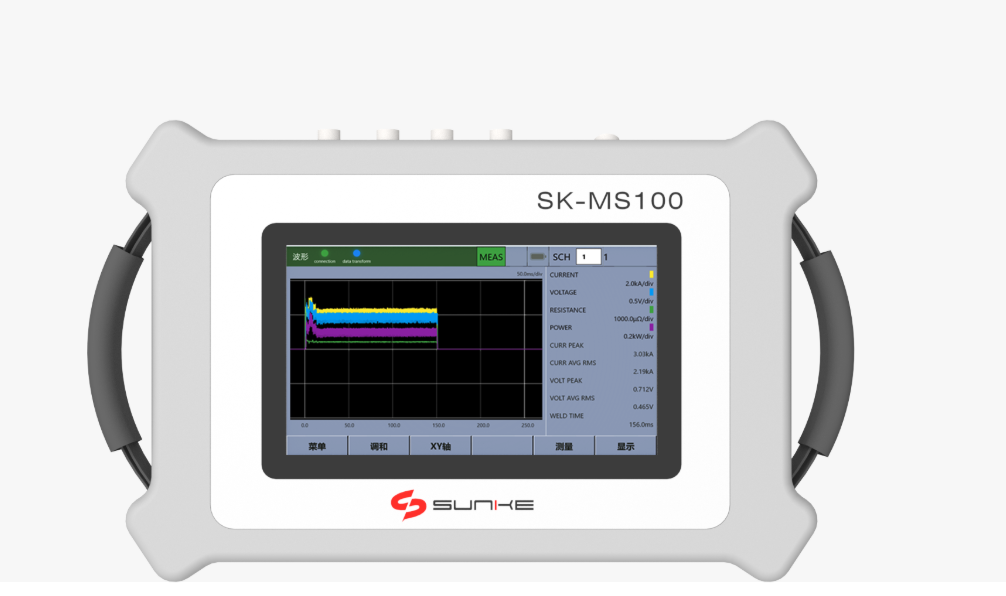
The problem that stalks expanding lines
Production grows. So does the shadow of unseen defects. Plants add stations, shift to three shifts, bring in new alloys, and the humble monitor that once kept the line honest begins to falter. The fault is rarely dramatic; it’s a slow erosion: missed sampling windows, inconsistent signal chains, and assumptions about the behavior of a resistance welding transformer that no longer hold true at scale. The problem-driven truth is cold and clear: without deliberate redesign, quality assurance breaks where throughput rises.
Where scaling breaks monitors
The failures gather like damp in a crypt. Know them so you can stop them.
– Signal dilution: more stations mean longer cable runs and mixed noise profiles that drown subtle anomalies.
– Sampling mismatch: a monitor tuned for one gun misses transient events when cycle counts double.
– Configuration drift: settings copied by hand diverge across cells; a single bias propagates defects.
– Data blindspots: local logs vanish into silos, hiding trends until a batch is condemned.
– Maintenance neglect: transformers and electrodes age; small shifts compound and become invisible without baseline checks.
Practical stitches for a growing corpse of machines
Face the problem with structured remedies. These are direct, tested moves from lines I’ve walked and reworked.
– Centralize time and event stamps. Match sampling windows to the welding arc’s life, not to an operator’s cadence.
– Shorten analog runs; place digitizers near the source. A bit of electronics close to the gun keeps the signal honest.
– Define one configuration profile per joint type and enforce it via automated deployment, not memory.
– Instrument the power path. Modern inverter systems often shift behaviors; confirm expectations against the MFDC signature of the source. Use MFDC welding transformer checks as part of your routine audits.
– Build calibration rituals into shift change. Quick verification beats long diagnosis later.
Technical scaffolding that won’t collapse
Use concrete architectures. Keep them small and modular so they survive expansion.
– Edge preprocessors: capture high-rate samples locally, reduce to event summaries, then stream those to the historian.
– Deterministic sampling: lock acquisition to trigger pulses; avoid asynchronous windows that blur cause and effect.
– Versioned profiles: track and roll back parameter sets per cell. Make every change auditable.
– Health telemetry: log transformer temperature, bus currents, and contact resistance. Small deviations foretell bigger failures.
Common pitfalls you’ll see in the dark
People default to one fix and cling to it. That’s where they die.
– Over-instrumentation without strategy: more sensors produce more noise unless you ask the right questions.
– Ignoring the power source: treating the monitor as a black box while the supply sours the readings.
– Delaying operator buy-in: operators will hide workarounds if a monitor slows their pace; that muteness kills traceability.
– Treating alarms as annoyances: tune thresholds with engineering judgment, not fear.
Real-world anchor and proof of craft
I’ve overseen line commissioning in multiple plants and audited systems where MFDC behavior decided the fate of an entire run — including troubleshooting in Detroit’s automotive plants where inverter-fed cells are ubiquitous. That practical exposure taught two truths: signals must be tamed at the edge, and human procedures must match the machine logic. Trust comes from repeatable checks, not promises.
Lessons stitched into a steady hand
Grow slowly with intention. Instrument where the arc speaks. Force deterministic capture. Keep configuration under control. Train the crew to listen to small alarms before they become catastrophic. When the architecture is clear and the supply’s behavior is understood, the monitors will stop failing silently, and production will stop tasting the night’s mistakes. That steadiness is what you get when hardware and practice align, as shown by reliable units from Sunke.