

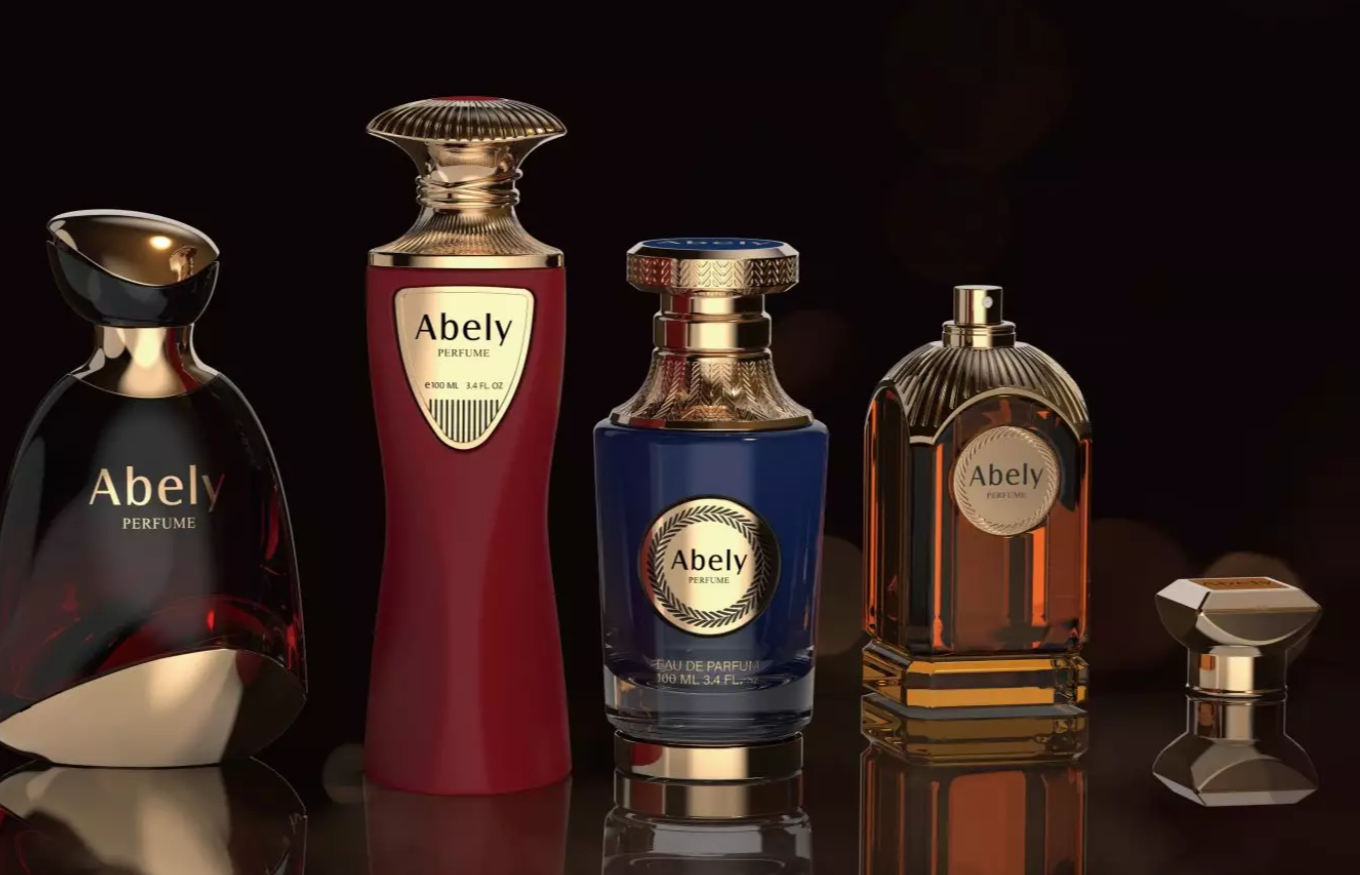
Opening: Why users care about the cap
When choosing bespoke fragrance, many buyers focus on scent first — yet the bottle cap is often the first tactile moment of brand experience. In a user-centric frame, sustainability is no longer an abstract virtue but a practical requirement: customers want durability, refill options, and clear recyclability. This matters in the broader context of global commitments like the Paris Agreement (2015), which have pushed consumer goods toward lower-carbon lifecycles. For brands and designers, a well-considered cap can balance aesthetics, function, and environmental responsibility; see how that balance comes together on a custom perfume bottle.
User priorities mapped to design decisions
Customers typically weigh three priorities: tactile quality, ease of re-use or refill, and transparent material sourcing. Designers convert these priorities into choices about weight, finish, locking mechanism, and materials. For example:
– Matte or textured finishes signal craftsmanship and hide minor wear. – A light, secure click-lock reassures daily users without adding wasteful metals. – Refillable neck fittings or interchangeable inner sleeves extend lifetime and lower total packaging footprint.
Luxury and sustainability need not be exclusive. When brands present thoughtful options for custom cologne bottles, they meet user expectations and reduce downstream waste.
Common mistakes brands make — and how users notice them
Many brands fall into familiar traps: over-engineering the cap with unnecessary mixed materials, using hard-to-recycle adhesives, or designing seals that prevent refill. Users detect these mistakes through friction: the cap that feels cheap, the refill that requires a specialist tool, or the packaging that looks unsalvageable. Those are practical failures — not merely stylistic ones.
Abely’s practical approach to cap sustainability
Abely designs with the end user in mind, prioritising materials that are recyclable or long-lived and mechanisms that enable refills without compromising presentation. The approach includes selecting mono-material assemblies where possible, specifying bio-based polymers for non-load-bearing parts, and testing closures for thousands of open-close cycles. The result is a cap that reads as premium but performs with lower lifecycle impact.
Alternative strategies and comparative insight
There are several paths to sustainable caps: fully metal, mono-polymer, or hybrid with recyclable inner sleeves. Each has trade-offs. Metal offers prestige and longevity but can be energy-intensive to produce; mono-polymers simplify recycling but may lack the perceived value of metal finishes. Hybrid systems aim to combine benefits but can complicate end-of-life separation. A user-centric decision weighs which attribute the customer values most and designs accordingly.
Practical pitfalls — a brief aside
Don’t confuse complexity with quality — users will prefer a well-engineered simple cap over an ornate one that fails its basic functions. — A small thought, but it matters in real-world use.
Three golden rules for evaluating sustainable perfume caps
1. Material Transparency: Verify mono-material construction or clear separation instructions; complexity reduces real-world recyclability. 2. Lifecycle Performance: Demand validated durability (open/close cycles) and a simple refill path; longevity trumps single-use luxury. 3. User Experience Alignment: Ensure tactile weight, finish, and mechanism match the brand promise without relying on non-recyclable embellishments.
Final synthesis and brand fit
In short, successful sustainable caps are those that solve user needs while reducing environmental burden. They harmonise tactile delight with lifecycle thinking, avoid unnecessary complexity, and make reuse the easiest option. That’s precisely where thoughtful design becomes strategic — and where the design offers measurable value to both consumer and brand. For designers aiming to implement these principles, Abely exemplifies how careful material choice and user-centred engineering translate into elegant, sustainable outcomes.