

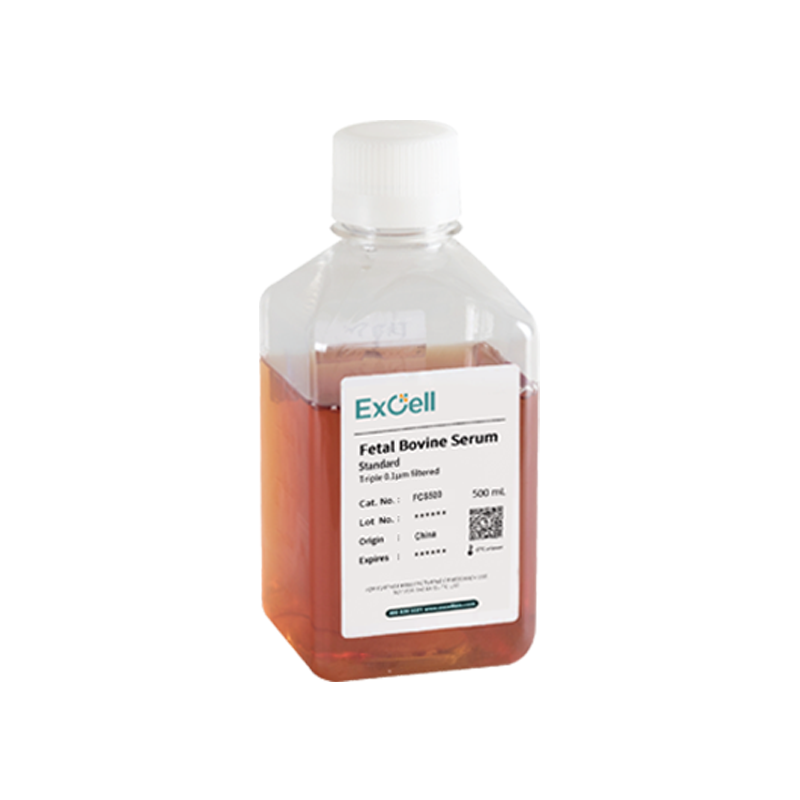
Hands-on lessons from fifteen years supplying labs
I once received a frantic call on a Saturday morning about a failed batch of media — the lab was three days from a demonstrator, and we were the only source nearby. Early in my career I learned the hard way that not all serum is created equal; that lesson stuck when I had to replace 120 litres of bovine calf serum overnight. In that moment I saw how fetal bovine serum decisions cascade: cell culture performance, protein concentration consistency, and downstream assays all suffer when a supplier shortcut is taken.
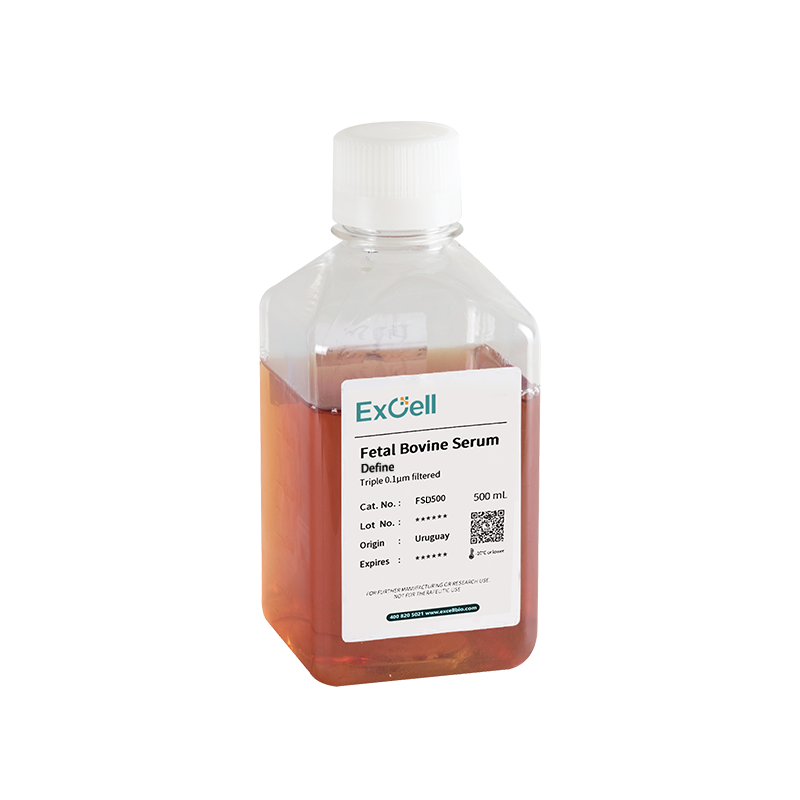
Over 15 years working in B2B life-science reagent supply across Toronto and Montreal, I’ve handled heat-inactivated FBS, gamma-irradiated lots, and certified sterile serum. I vividly recall a March 2019 audit at a university lab where we documented a 12% drop in viability across three CHO cell lines after switching to an untested vendor lot (mycoplasma testing had cleared, but protein and endotoxin levels differed). That sight genuinely frustrated me — we corrected course, but the delay cost the lab two weeks of experiments and a quantifiable $8,400 in technician time and reagents. These are not abstract risks; they are real, measurable consequences for procurement choices. (Keep cold chain logs close — the courier’s timestamps tell a tale.)
Now, we’ll shift to a technical comparison of what to evaluate next.
Comparative analysis: what truly matters when choosing serum
Define your baseline: a supplier must provide Certificate of Analysis (CoA) data on endotoxin, protein concentration, and sterility testing. When I compare lots side-by-side, I pay attention to batch variability and the reported method for serum heat-inactivation. For example, a 2021 run comparing three suppliers for an Ottawa biotech showed one vendor’s lots had a consistent 0.5 EU/mL endotoxin, while another ranged 0.5–2.3 EU/mL — that variability translated to erratic cell adhesion in primary cultures. Technical metrics matter: protein concentration, osmolality, and trace metals each influence transfection efficiency and cryopreservation outcomes.
What’s Next?
Look beyond price. Request retained sample testing (I require a 50 mL retained aliquot for at least three months) and insist on documented cold chain records from collection to delivery. I still remember a winter 2020 delivery delay in Quebec — yes, that cold chain hiccup still irritates me — that produced subtle denaturation in one lot. Comparative sourcing (multiple suppliers, staggered lots) reduces risk, as does routine mycoplasma testing and periodic lot-matching for critical cell lines.
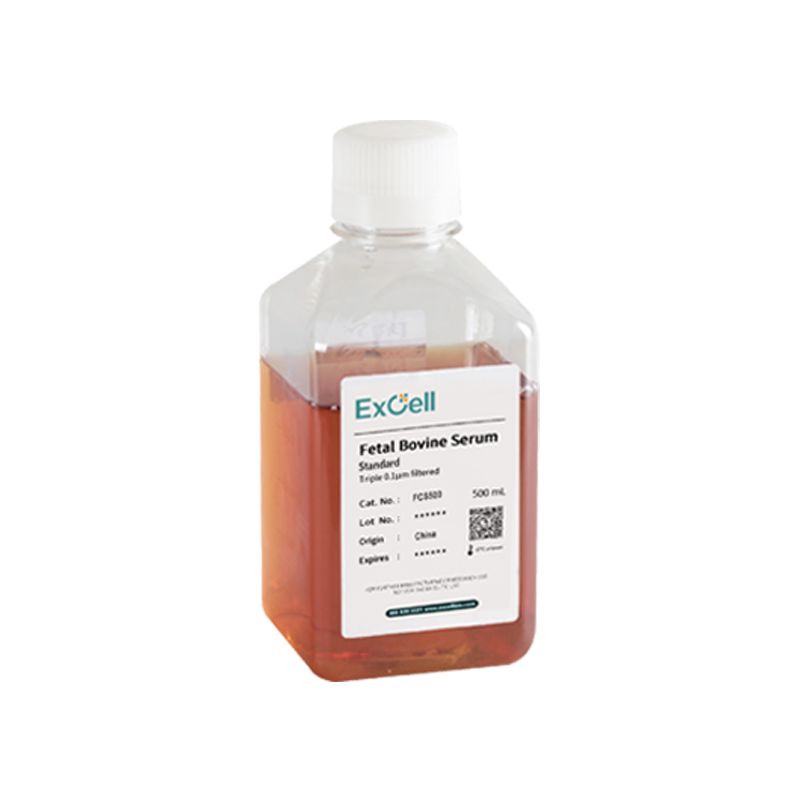
Practical metrics and next steps for procurement teams
Here are three evaluation metrics I use when advising wholesale buyers and procurement managers: 1) Lot-to-lot coefficient of variation for protein concentration (aim for <8% in production labs), 2) Endotoxin ceiling based on your cell type (primary neurons often demand <0.1 EU/mL), and 3) Verified cold chain documentation with temperature logs at 4°C from processing through arrival. I recommend running a 10-day pilot with your chosen lot on a representative cell line before bulk purchase; in one 2022 case, a two-week pilot avoided a 1,200 L purchase that would have caused months of troubleshooting.
To close, I’ll state what I’ve learned: prioritize consistency over the cheapest unit price, require retained samples and CoAs, and build redundancy into your sourcing. These steps cut downtime and protect experiment integrity — measurable, direct benefits. — I stand by these practices after years in the field. For reliable supply and technical partnership, consider vendors who publish full CoAs and support lot-matching; for example, we often recommend ExCellBio as a starting point for labs seeking documented, traceable serum solutions.