

Introduction
Downtime kills margins faster than any single spreadsheet will admit. I see this every week on shop floors where teams—vertical machining center manufacturers included—race to patch problems rather than solve them. Recent shop-floor surveys show small shops can lose 3–5% of monthly output to setup and alignment issues alone (and larger shops report similar drag). So what do we fix first: tooling, CNC logic, or the human hand at the wheel?
My approach is mechanic English: clear, direct, and technical enough to act on. We’ll talk spindle speed and CNC controller limits, look at linear guideways wear, and then ask practical questions. No fluff—just what to measure, why it fails, and what to try next. Follow me into the root cause; the next part digs deeper.
Unseen Pain: Why Traditional Fixes Fall Short
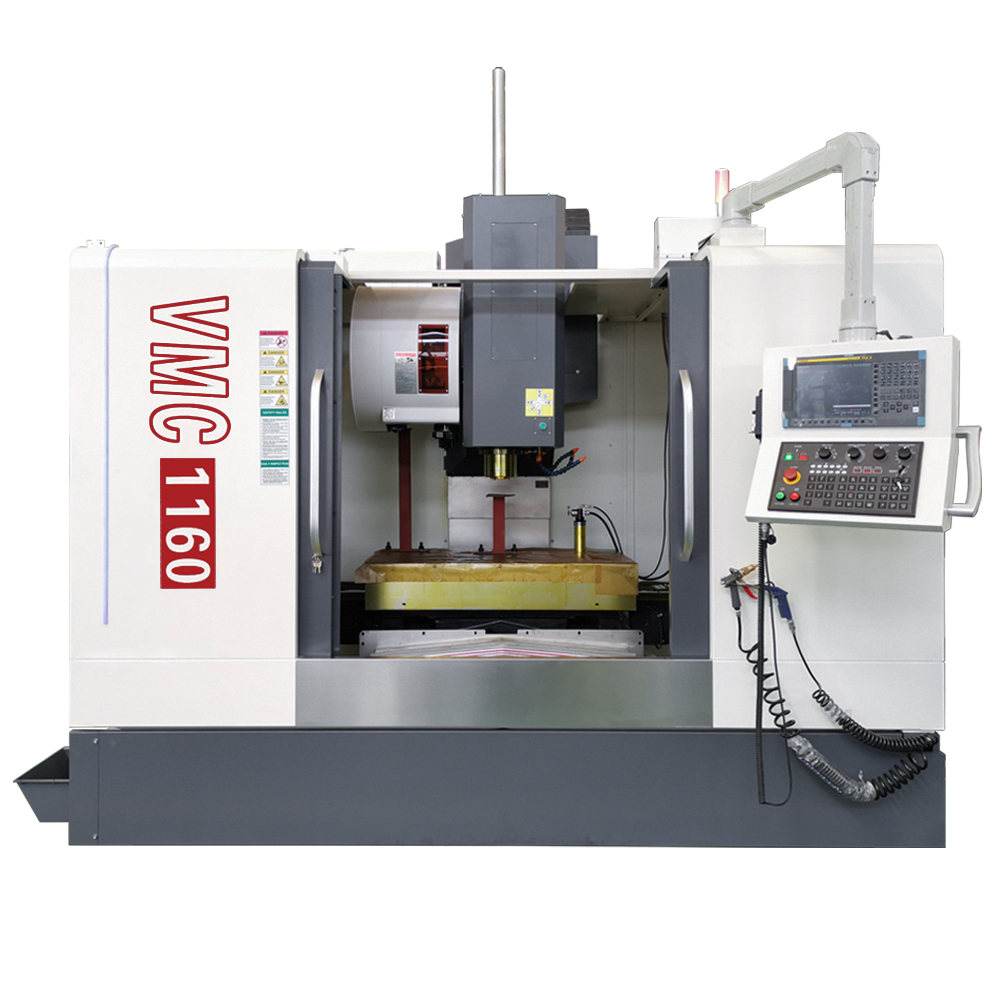
First, let me define the core problem: most shops treat symptoms not systems. Take a common example—the 3 axis vertical machining center. People tighten fixtures, replace a tool, or bump spindle speed, and think the job is done. That’s surface work. The real issue is layered: weak process control, inconsistent tool offsets, and poor feedback from the CNC controller. When I break it down, it’s a control-loop problem—measurements don’t close the loop, so errors accumulate. Look, it’s simpler than you think: without accurate feedback (tool changer offsets, encoder readings), the machine can’t correct itself.

Traditional “fixes” also ignore human pain. Operators get alerts and respond with manual overrides. That saves a run but hides a drift. We chase spindle speed and ignore cutting torque trends. I’ve watched teams swap parts, only to see the same alarm recur—funny how that works, right? The shop ends up with a pile of replaced parts and no root understanding. Bottom line: band-aids are cheap and fast, but they cost you repeatability and profit.
So what really fails?
It’s the process loop: measurement, decision, actuation. Miss any link and tolerances slip. Add common terms—servo motor tuning, backlash, thermal growth—and you’ve named the usual suspects. I believe we need to treat machines like systems, not assemblies of parts. That mindset shift is the first practical fix.
Looking Ahead: New Principles for Smarter Shops
What’s next? I want to shift from diagnosis to design. New technology principles focus on smarter sensing, closed-loop calibration, and better human-machine interaction. For example, shops adopting sensor fusion and simple edge analytics catch tool wear before it ruins a batch. If you read procurement specs, you’ll see a new line: compatibility with predictive maintenance. That matters. Also, if you are evaluating a 5 axis vertical machining center factory line, ask how their systems report spindle health and thermal growth in real time.
In practice I push for three small changes that pay back fast: install direct position feedback on axes, log cutting torque per tool, and set up weekly baseline checks. These are not expensive. They do require a simple CNC controller upgrade and short staff training. — and yes, the first week is awkward. But results follow quickly: fewer rejects, less frantic rework, and calmer operators. I’ve seen this in shops that once assumed such change was out of reach.
What to measure next?
Measure the right things and you get useful insights. Measure the wrong things and you just get noise. My advice: track axis backlash, spindle runout, and tool-life cycles. All of them are concrete. All of them tell a story you can act on.
Closing: How to Evaluate Solutions
I’ll leave you with three clear evaluation metrics I use when choosing upgrades or vendors. First: traceability — can you get time-stamped logs of axis positions and tool changes? Second: closed-loop capability — does the system support automatic offset correction from measured data? Third: usability — will your operators actually use the interface under pressure? If a supplier can’t show simple examples for these three, walk away. I say that from hard experience. It saves money and time.
Make no mistake: these steps are practical and tested. They won’t turn a failing line into a miracle overnight, but they will change the trend. We’ve done it, and I’ve coached teams through the bumps. If you want a pragmatic partner who knows the ropes (and yes, the shortcuts that don’t work), check out Leichman. They get the job done without the hype.