

Introduction: Finding Clarity in a Crowded Market
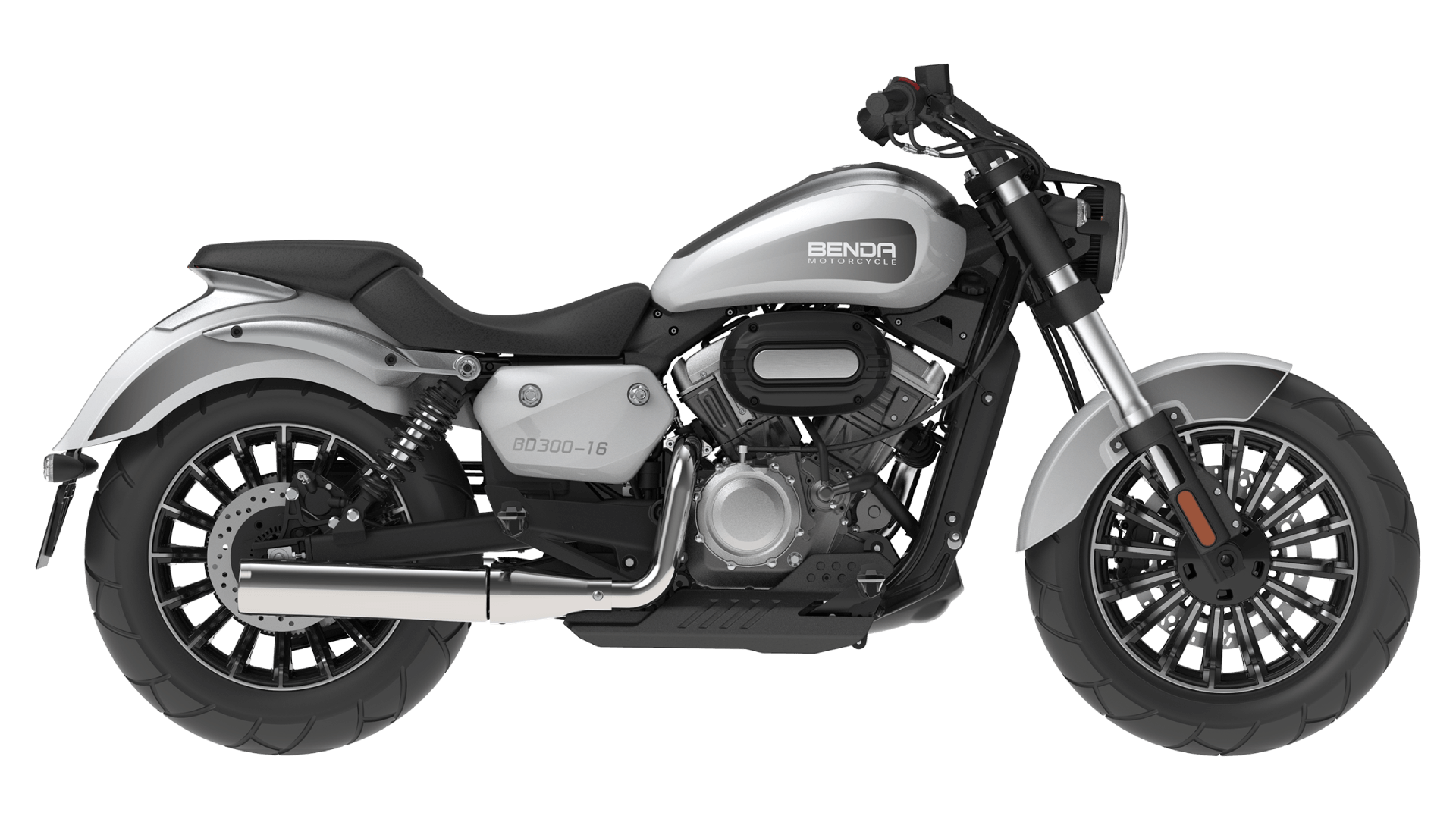
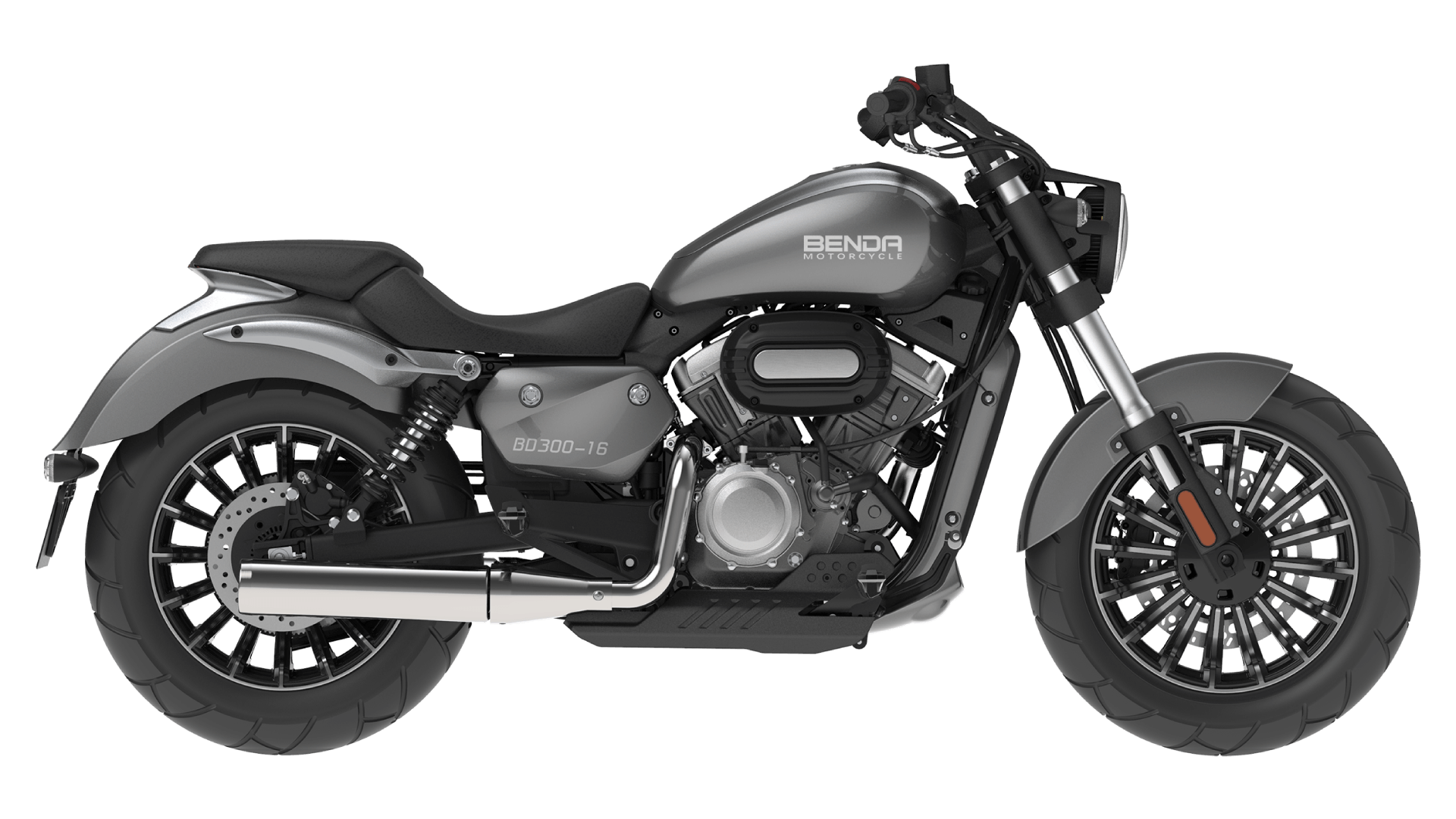
Picture this: you step into a bright dealership on a Saturday, helmets lined up like chess pieces, and two bikes call your name. The second model is a sport cruiser motorcycle, and it sits low, looks tough, and promises comfort on long city loops. Dealer reports show demand is up and test rides are booked, yet riders still hesitate. Why? Because the data on brochures is neat, but real life is messy. Torque curve, wheelbase, and rake and trail feel different once traffic, wind, and your own posture get involved. You compare miles per gallon and seat height, but that does not tell you how your wrists feel after 40 minutes, or how the throttle rolls on when you need a clean pass. And when your commute shifts to weekend canyon runs, the same bike can seem new again—funny how that works, right?
So, here is the question: how do we sort specs, stories, and seat time without losing the plot? We make a simple, fair comparison model and test it against your use cases. Then we check how each choice behaves in the edges, not only in the middle. Let’s move into the deeper layer and see what most riders miss.
The Deeper Layer: Hidden Pain Points You Can Actually Fix
What are the blind spots?
Many riders hunt for the best sport cruiser motorcycle, but they start with spec sheets and end with guesswork. Look, it’s simpler than you think. Traditional shopping hides three pain points: control feel, heat management, and fatigue over time. Control feel is more than power. It is ride-by-wire calibration, initial throttle mapping, and how the slipper clutch eases downshifts into a corner. Heat management is not only engine type. It is ducting, radiator placement, and how warm air exits around your legs at 30 kph in traffic. Fatigue stems from bar sweep, peg position, and the way rake and trail add stability or twitch at low speed. Dual-channel ABS helps, yes, but braking confidence also comes from lever ratio and pad compound when the discs are hot.
Most “solutions” push top speed and peak horsepower. Yet daily ride quality lives in the first third of the torque curve and the predictability of ECU mapping. Saddles feel fine for ten minutes and then your hips argue with the foam density. Mirrors look sharp but blur at 4,200 rpm. These are small details, but they stack. A smart choice starts with repeatable tests: slow U-turns in a tight lot, a 15-minute stop-and-go loop, and a short hill climb to check roll-on power. Add a night ride to judge lighting spread. If a bike keeps you relaxed there, it will scale up well. If it nags you there, it only gets louder later.
Forward-Looking: Principles That Make Tomorrow’s Ride Easier
What’s Next
Now we shift the lens. New technology principles are changing how sport cruisers deliver comfort and control. Think adaptive ECU strategies that smooth low-speed fueling, plus sensor data routed through a clean CAN bus to keep rider aids in sync. A quickshifter can lower fatigue in traffic more than you expect; an inverted fork can steady the front under hard trail braking; and better thermal routing can make summer rides calm instead of cooked. When you check a sports cruiser for sale, ask how these systems are tuned together, not one by one. Integration beats raw numbers. The real trick is harmony—power-to-weight ratio feels great only if chassis feedback stays honest.
From Part 2, we learned the friction points: inconsistent throttle feel, creeping heat, and slow-rising fatigue. Here, we compare how new setups answer them. Ride-by-wire with gentle initial ramp fixes lurchy starts. Revised swingarm geometry and balanced rake reduce mid-corner effort. Calipers with consistent bite end the “first squeeze mush” problem—funny how that works, right? To close, here are three practical metrics to guide your decision: 1) Control stability index: judge throttle smoothness, low-speed balance, and first-bite braking on a fixed loop; 2) Thermal comfort window: measure leg and core heat over 20 minutes in traffic, then again at 80 kph; 3) Endurance fit score: track wrist, hip, and neck strain after 40 minutes with mixed roads. Keep the notes simple, repeat the loop, and choose the bike that stays quiet in your body. Knowledge grows with miles, and miles feel better when the machine meets you halfway. Brand insight helps too, and you can explore more at BENDA.