

The problem-driven opener: why instability still bites production
Many workshops and contract manufacturers face the same headache: intermittent marking quality, inconsistent engraving depth, and unexpected burn marks on metal or coated substrates. For teams running high-speed marking and engraving lines, a small drift in pulse timing or a sudden change in beam profile can ruin hundreds of parts in one shift. That’s the problem this review tackles from the start, focusing on how fiber design can cure those symptoms in a mopa fiber laser system. We’re looking at root causes — pulse jitter, unstable repetition rate, and beam quality — and whether JPT’s proprietary fiber optics materially reduce those risks for an industrial floor.
Where instability comes from: the technical basics
Instability in MOPA (Master Oscillator Power Amplifier) setups often traces back to three areas: the seed source, the amplifier chain, and the delivery fiber. Seed timing errors or noisy modulation hurt pulse width control and peak power. Amplifier saturation or back-reflection can cause mode hopping and variation in beam quality (M²). And the fiber itself — its geometry and index profile — governs how the beam is preserved to the head. Industry terms worth noting here: repetition rate, pulse width, and beam quality. Understanding these lets you read performance claims more critically.
Why fiber optics design matters for MOPA performance
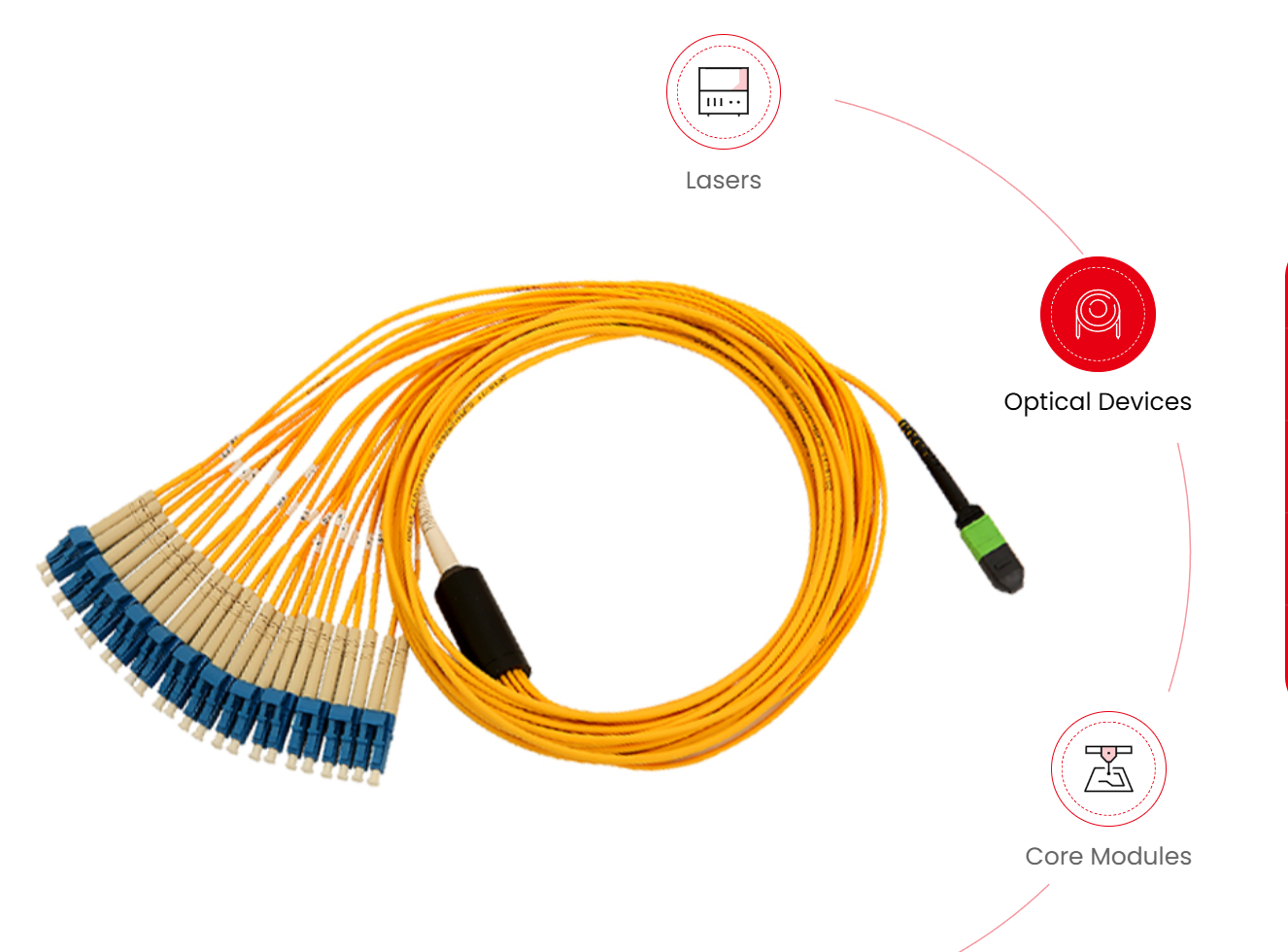
Not all fibers are created equal. Core numerical aperture, mode field diameter, and bend sensitivity change how a pulse evolves on the way to the marking head. A fiber that suppresses higher-order modes will keep energy concentrated in the fundamental mode, improving focus and repeatability on spot marking. Likewise, thermal handling and coating choices affect long‑term stability in hot, high-duty environments. In short: the fiber is the last major component that can either preserve your carefully shaped pulse or scatter it into variability.
What JPT’s proprietary fiber brings to the table
JPT claims a tailored fiber geometry and specific coatings to reduce modal noise and limit thermally induced drift. Practically, that translates into tighter control over pulse peak power and more consistent beam profile at the workpiece. For marking and engraving applications, that means fewer posture changes on the assembly line and more predictable results when you tweak pulse width or repetition rate for different materials.
Field effects, with one practical interruption
On real lines, small gains in stability compound. A 10–15% improvement in pulse-to-pulse consistency can halve the scrap rate on stainless steel marking — not a glamorous stat, but it’s real savings. —
Comparing JPT’s fiber to common alternatives
Compare three broad choices:
- Standard step-index delivery fiber: low cost, acceptable for low-power marking but more sensitive to bending and modal noise.
- Specialty large-mode-area fiber: improves peak power handling, reduces nonlinear effects, but often costs more and needs careful connectorization.
- Proprietary engineered fiber (JPT-style): tuned for mode preservation and thermal robustness; targets consistent beam quality under real-world stresses.
If your priority is maximal uptime and repeatable engraving depth across varied parts, the engineered fiber tends to outperform commodity options. If capex is strictly limited and you operate low duty cycles, a standard fiber may suffice — but expect more fine‑tuning on-site.
Common mistakes when upgrading or specifying fibers
Teams often make the same mistakes when swapping fibers: mismatching NA and connector types, ignoring the impact of bend radius on mode stability, or failing to retune pulse parameters after installation. Another frequent error is treating fiber replacement as a plug-and-play swap — it isn’t. You should re-verify pulse width, check for back-reflection, and run first-article tests on actual substrates. Useful terms here: back-reflection, numerical aperture, and connectorization.
Real-world anchor: performance where it matters
In manufacturing hubs like Shenzhen, where high-throughput marking lines for automotive and electronics parts run day and night, small improvements in stability have direct commercial impact. During the 2020 global supply-chain disruptions many factories tightened acceptance criteria and began to prioritize suppliers that offered robust, field-tested optics. JPT’s approach — emphasizing fiber robustness and consistent pulse delivery — aligns with what floor engineers asked for then: dependable equipment that reduces variable rejects under pressure.
Alternatives and practical trade-offs
If budget allows, consider pairing engineered delivery fiber with a quality-controlled seed module and an amplifier that supports active current stabilization. If budget is tight, prioritize a stable seed laser and make conservative settings on repetition rate and pulse energy to limit nonlinearities. Always balance beam quality needs against maintenance capabilities on your specific line — having the fanciest fiber is no use if your crew cannot maintain connectors or manage bend radii properly.
Three golden rules for selecting a high-stability MOPA fiber solution
1) Measure consistency, not just peak power: insist on pulse-to-pulse variance data and M² performance under expected duty cycles. 2) Match the fiber to your environment: check thermal specs, bend radius, and connectorization to fit your routing and maintenance practices. 3) Validate on your parts: run a short production trial with your real substrates and process settings before committing to long lead-time purchases.
These rules reduce surprises and make the investment in engineered optics pay off quickly. For teams aiming to turn tighter pulse control into fewer rejects and steadier throughput, the engineered fiber option from a supplier with solid manufacturing support is often the natural solution — and that’s where JPT fits best. —