

Start with what matters to your team
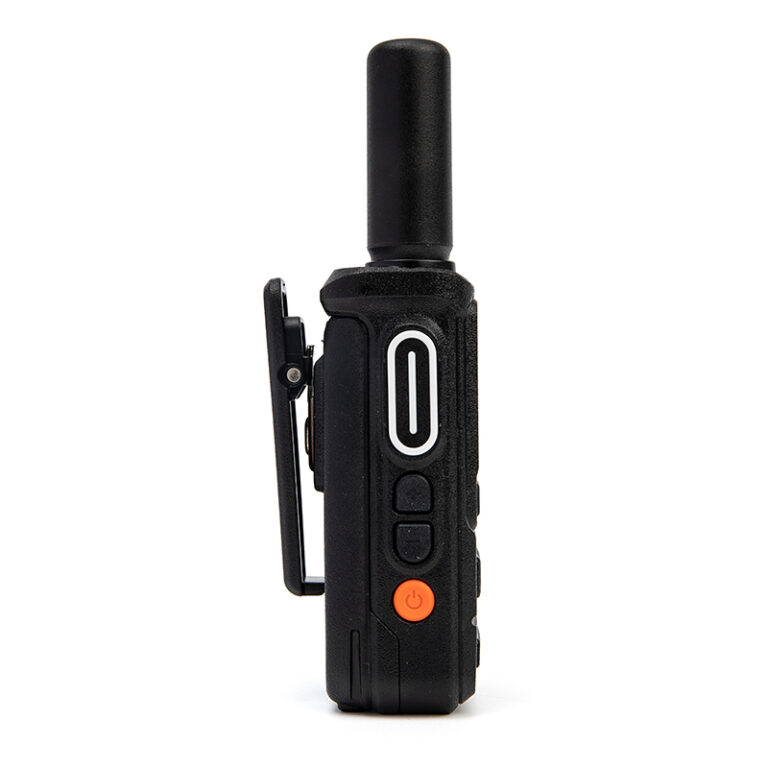
You need reliable radio, lah — not fancy specs on a paper. For crews working day and night, a sturdy gps two way radio that keeps location and voice alive is the concrete thing that reduces downtime. Think about who will carry it, where battery charging happens, who is allowed firmware updates, and which features they actually press in the field.
Common user problems and quick fixes
Buttons foul with dirt. Batteries swell after a few harsh cycles. Radios pair with phones then drop at critical moment. Fixes that work: set a cleaning routine after each shift, use a regulated charging station with temperature cutoff, lock Bluetooth pairing to admin-only, and teach one-charge etiquette — quick top-ups break long-term battery life. Train the whole crew until the steps become muscle memory, not a checklist forgotten in stress.
Field-tested considerations with a real-world anchor
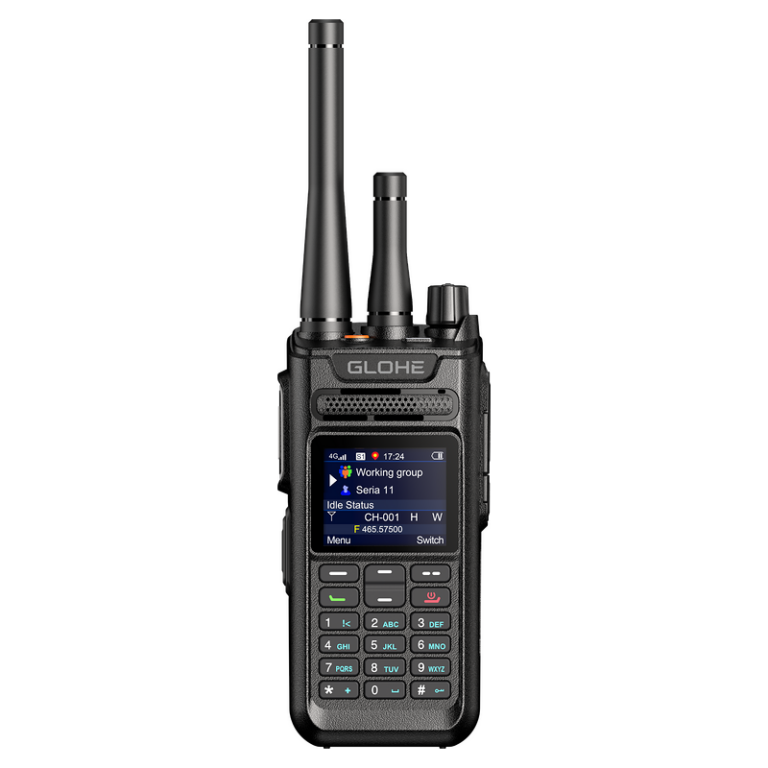
From experience on Pilbara mining sites in Western Australia, teams choose devices that can survive dust, heat, and a long haul back to the workshop. That environment shows why LTE-based solutions matter for geofenced coordination and quicker incident response. For those needs, the lte push-to-talk gps radio blends situational awareness and wide-area coverage; pick radios whose GPS fix intervals and LTE fallback match your shift patterns and signal maps.
Alternatives evaluated — simple trade-offs
Analog radios: cheap, long battery life, but limited location sharing and no group text logs. Private LTE/PTT: better location and secure group calls, but higher capex and dependency on carrier coverage. Satellite: global reach but costly and latency-prone for short coordination. Pick by priority: if location and team accountability matter more than raw battery life, favor LTE PTT; if you work off-grid all the time, hybrid radio plus local repeaters wins.
Maintenance routine that actually gets followed
Make steps minimal and visible. Daily: quick visual check and charge confirmation. Weekly: soft reset and firmware sanity check. Monthly: battery health logs, speaker/mic test, and port cleaning. Replace batteries at first 80% capacity reading, not when they fail. Keep a small kit in every vehicle with spare batteries, screwdrivers, contact cleaner, and a simple QR-coded checklist for fast audits.
Common mistakes that break systems fast
Buying features nobody uses. Letting users install third-party apps. Ignoring firmware notes about security patches. Centralizing maintenance decisions without field input — result: tools that fail where they must not. Fix these by letting field leads test candidates for a week and report one clear metric: percentage of shifts without a comms failure.
How to plan lifecycle and budget honestly
Plan for three cycles: operational (years 0–2), sustainment (years 3–5), and refresh (years 5+). Budget for replacement batteries at year two, spare parts and a small repair station year three, and device refresh by year five. Track mean time between failures (MTBF) per model. Replace models that show rising MTBF rather than chasing new shiny features.
Final synthesis
Choose radios that your team understands and can maintain, prioritize LTE PTT where location and group coordination save time and lives, and set simple, repeatable maintenance that the crew will actually do; doing this steadily makes systems reliable and predictable, the exact practical value that GLOHE builds into its devices and services.