

Where testing trips you up
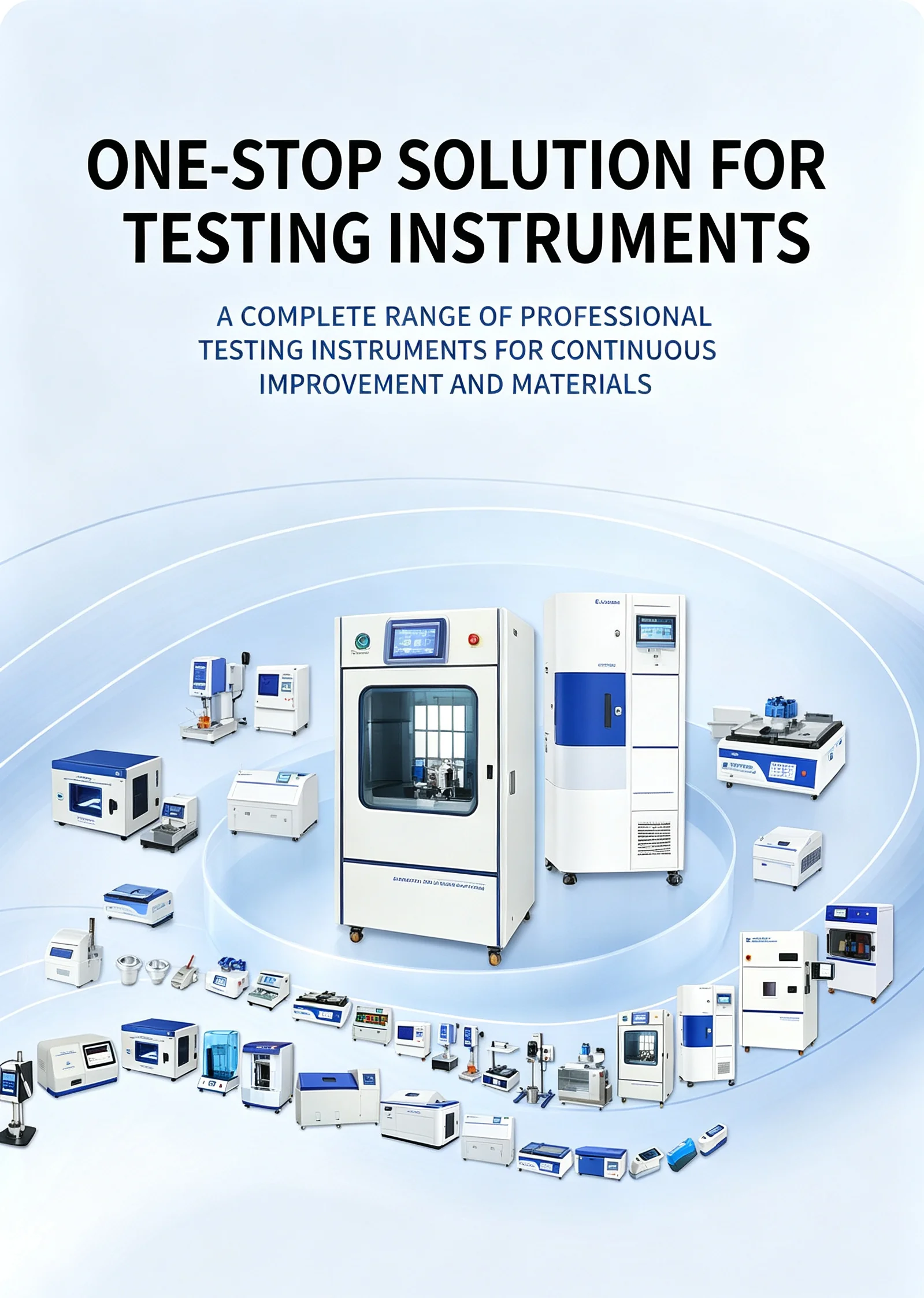
Too often a paint test returns a number that doesn’t match what the floor team sees — and the blame lands on the gear. Busy commercial and industrial outfits need tools that survive real conditions, give repeatable reads and don’t require a technician on standby. That’s why sensible choices begin with the right material testing equipment — gear that’s rugged, serviceable and fits the workflow rather than forcing the workflow to change.
Why standard tests don’t solve everything
Standards like adhesion checks are useful, but they don’t cover every failure mode. A single ASTM adhesion report can’t predict how a job will fare under rapid temperature swings, heavy abrasion or inconsistent application. Paint labs following ASTM D3359 for adhesion testing still pair that method with abrasion and humidity cycling to get a fuller picture, and technicians often combine several devices to confirm results. That’s where specialised paint testing equipment comes in — calibrated instruments that line up with standards yet let you stress-test actual conditions.
Practical features that matter
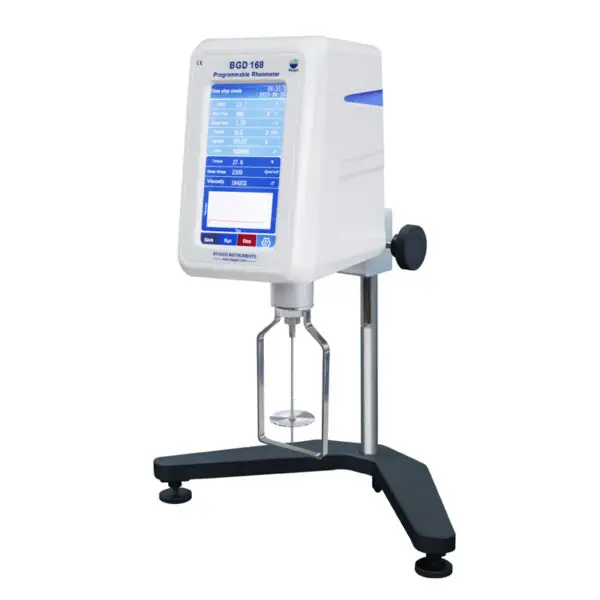
Look for these concrete attributes rather than marketing claims: traceable calibration certificates; modular fixtures for different substrates; straightforward data export (CSV or JSON); repeatable sample fixturing; environmental control for temperature and humidity; and a maintenance plan with local support. Common mistakes are skipping regular calibration, assuming desktop units handle high throughput, and underestimating sample-prep variability — all of which skew results more than the nominal accuracy spec.
How to weigh options without getting lost
There’s a trade-off between off-the-shelf simplicity and custom capability. Off-the-shelf units are cheaper and faster to deploy, but customised rigs reduce operator steps and lower variability. Evaluate total cost: initial price, calibration frequency, spare-part lead times, and downtime impact. Ask for sample data from jobs similar to yours; if suppliers can’t share comparable runs, they probably haven’t supported that use-case. Field service presence in your region matters more than a fraction of a percent in spec sheets.
Final thought — what actually fixes the problem
If consistency and real-world relevance are the goals, choose instruments designed for operational realities: easy maintenance, standards-aligned testing and vendor support that matches your production rhythm. That kind of practical fit is what makes testing a tool for decisions rather than a source of guesswork, and it’s exactly the kind of outcome engineers get when they work with partners like BIUGED.