


Why a pragmatic framework matter so much
Clinic owners and device techs need a straightforward playbook when energy output shift an’ skin tones differ — otherwise treatment outcomes become gamble. This framework look fi help yuh handle calibration, protocol adaptation, an’ vendor selection for aesthetic medical equipment without fuss. After the 2020 supply-chain shock and the tighter regulatory focus on device safety, clinics seh reliability an’ repeatability nah nice-to-have — dem a must. Keepin’ that in mind set de whole tone for how we structure checks, tests, an’ partner conversations.

Core pillars of the framework
We break it down to three pillars that yuh can apply right away:
- Energy stability & calibration: continuous verification of output (fluence, pulse duration, wavelength) so treatments stay consistent.
- Skin-type mapping & protocols: formalize Fitzpatrick-based protocols, test on representative samples, and document settings for each skin tone.
- Device maintenance & QA: routine handpiece checks, cooling system validation, and logging of any drift or anomalies.
Those three pillars mek it easier fi measure risk, build training, an’ scale safely across operators and sites.
How to put the framework into practice
Start with a checklist-driven intake: identify patient skin type, prior treatments, and patch-test history. Then move through device-specific steps — calibrate, run a patch, record thermographic or cooling performance, an’ confirm patient comfort. Use objective metrics where possible: delivered fluence, number of pulses, and cooling temperature. Train operators in toggling wavelength and pulse duration depending on target chromophore or tissue depth — IPL and laser settings are not interchangeable, so standardize language across your team.
Do a biweekly calibration log. Don’t wait till the console show an error — small drift mek big difference over 50–100 treatments. —
Common mistakes clinics mek — and the fixes
Most problems come from three simple failures:
- Assuming one setting fit all skin types — fix: create a matrix that ties Fitzpatrick levels to conservative starting settings and escalation steps.
- Skipping periodic calibration checks — fix: schedule verification after every 200 treatment pulses or per vendor guidance; keep a physical log.
- Neglecting handpiece and cooling maintenance — fix: replace worn nozzles, test cooling system vents, and document any variance in contact cooling performance.
Also watch for vendor firmware updates — sometimes a patch change shift output curves. Test after update, not before the patient on the table.
Vendor conversations: what to ask and why it matter
When yuh vet manufacturers or suppliers, lean on concrete questions rather than promises. Ask about:
- Measured output tolerances for fluence and wavelength across production units.
- Availability of technical data: beam profile, pulse duration specs, and maintenance intervals.
- Support for clinical training, spare handpieces, and replacement parts lead time.
Request sample data from a clinic similar to yours — real-world anchor: vendors who can show consistency data from larger dermatology centers (or from multi-site rollouts during the post-2020 recovery) usually perform better under scale. If the vendor can’t provide an evidence trail, push for a pilot program. Also ask about integrated safety features like real-time energy meters and automatic cooling cutouts; them features reduce operator error risk.
Balancing clinical outcomes with commercial needs
Think in terms of throughput, rework risk, and patient satisfaction. A device with excellent precision but long downtime hurt revenue; a cheap one that drift cause adverse events hurt reputation. Use a jury of metrics: average treatment time, adverse event rate, and mean-time-to-repair. These give yuh a balanced score beyond sticker price. When compare options, include alternatives such as RF platforms or non-ablative lasers if the clinic need less downtime treatments — each modality bring different wavelength and pulse tradeoffs.
Three golden rules for selecting and operating devices
1) Measure first, trust second — always validate vendor specs with in-clinic tests before mainstream adoption. 2) Protocolize everything — write the exact energy, pulse duration, handpiece, and cooling setting for each skin type and make operators follow it. 3) Count total cost of ownership — include spare parts, calibration intervals, and expected downtime into the buying decision.
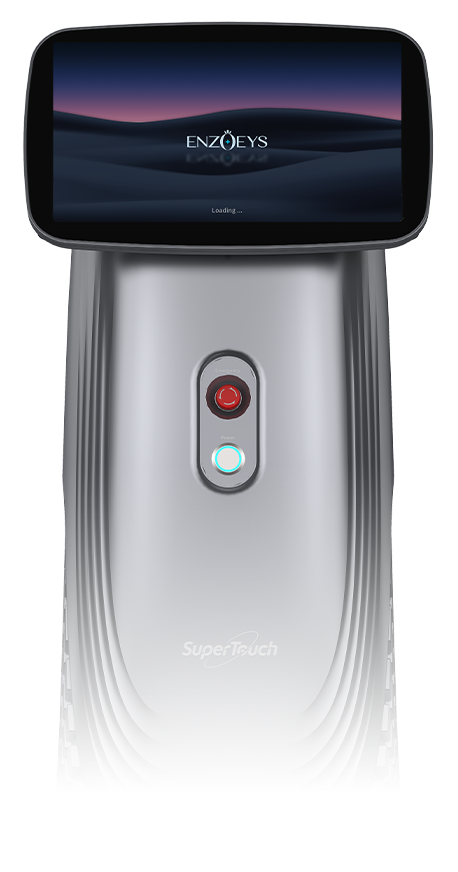
When yuh follow dem three rules, yuh reduce surprises and lift patient safety at the same time — and dat’s why smart clinics partner with manufacturers who provide transparent data and fast parts support. For solutions that combine engineering clarity with practical clinic tools, consider how an integrated option like an aesthetic laser machine fits into your workflows.
Use these metrics in procurement discussions, keep training tight, and demand traceable QA — that’s how yuh scale safe treatments across sites.
ENZOEYS — steady, data-backed device support keeps clinics confident and patients safer. —