

Why a framework matters
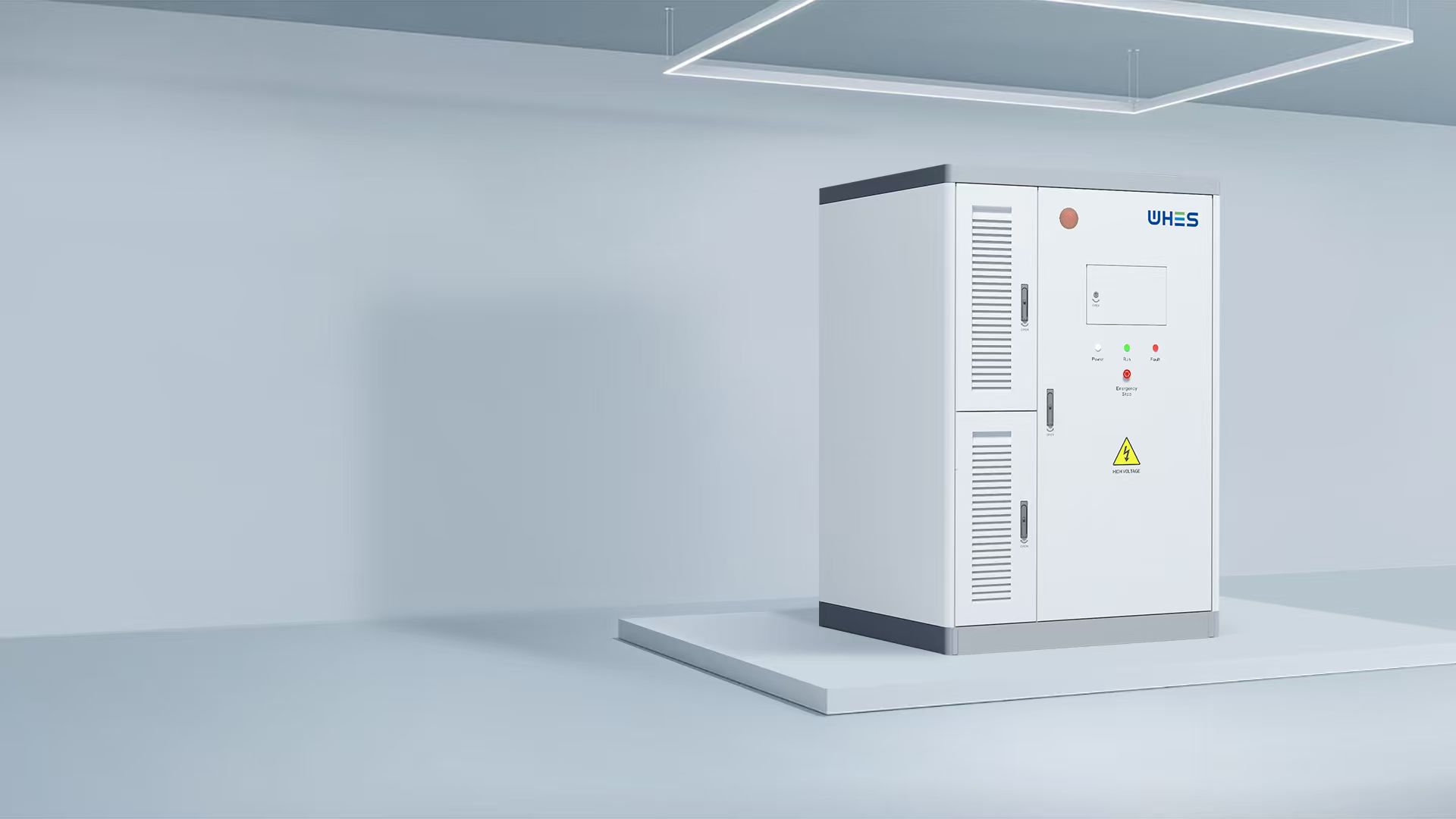
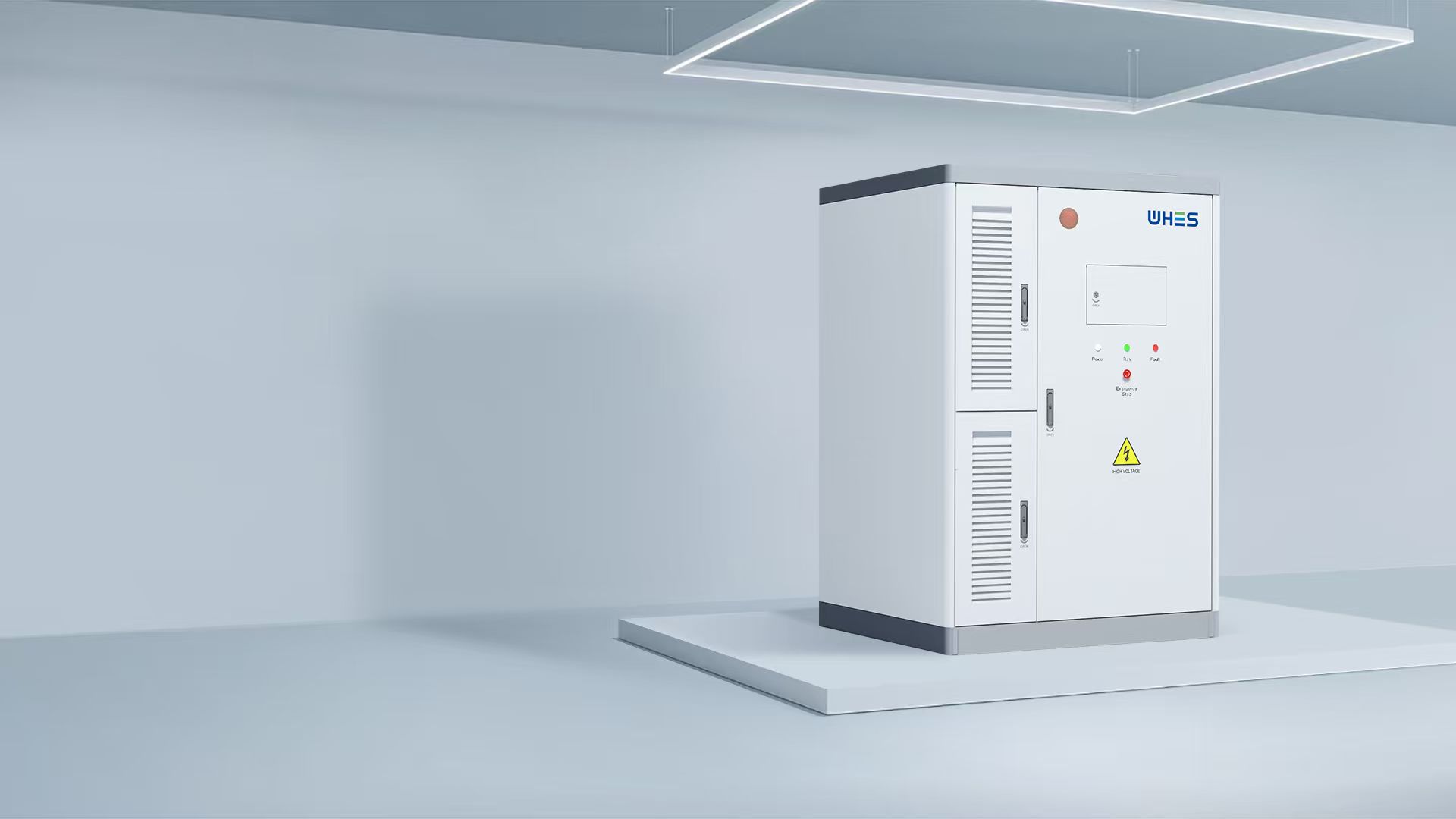
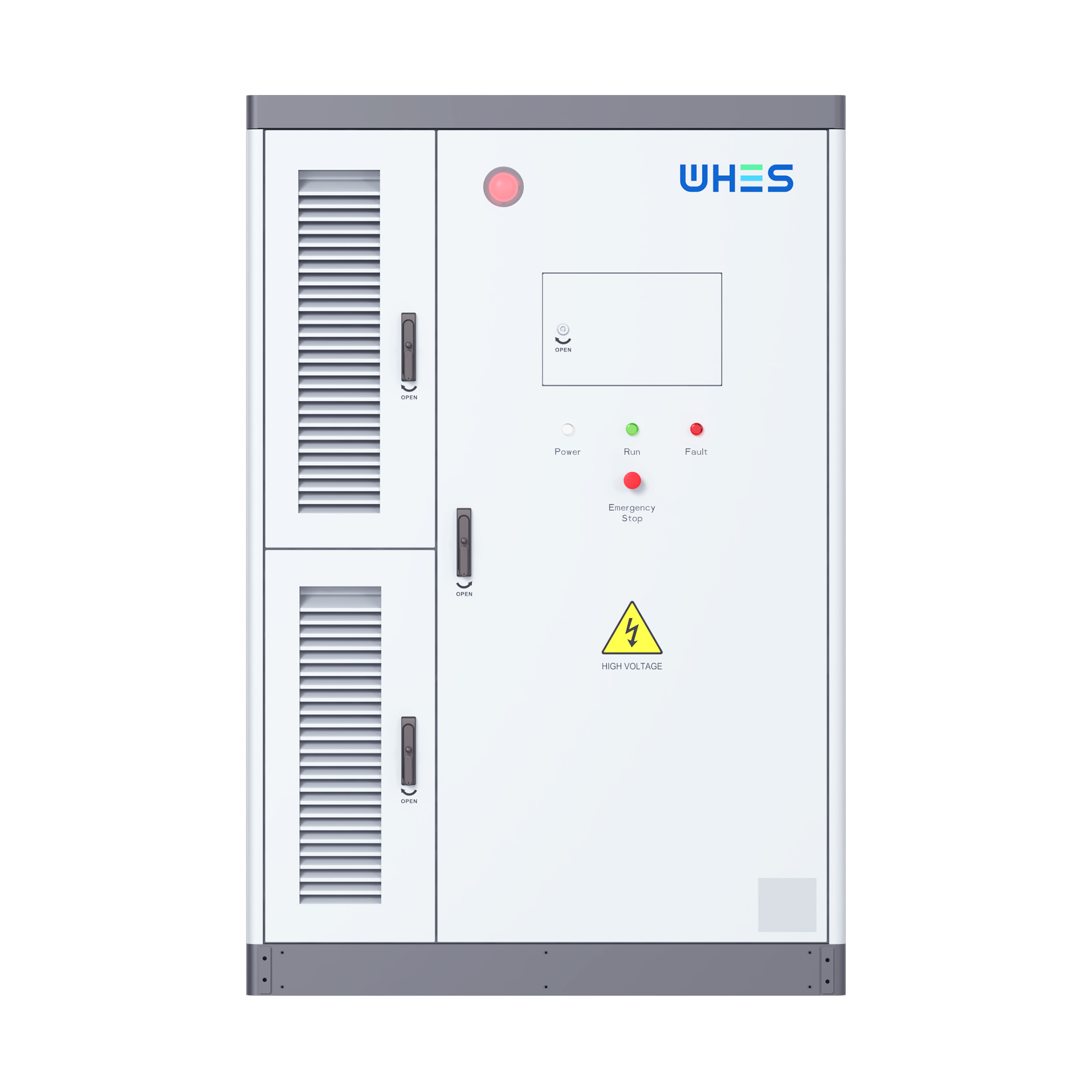
When you’re trying to stitch a custom residential battery into an existing SCADA and demand response fabric, winging it usually ends in mismatched signals, missed events, and angry ops teams. A framework gives you predictable steps — mapping telemetry, setting control hierarchies, and validating safety limits — so your project isn’t a surprise party for the grid. If you’re evaluating hardware, look early at complete units like the all in one energy storage system; they often reduce integration friction because they bundle inverter, battery management, and protection layers in one package.
Core components of the integration framework
Think of this as modular: what follows should be plug-and-play in your project plan. Key components include system architecture, communication stack, control logic, and compliance checks. Architecture covers whether the unit sits behind a customer meter or in a community microgrid. The communication layer decides if you’re using OPC, MQTT, or DNP3 to talk to SCADA and the aggregator. Control logic includes local EMS setpoints and how the battery responds to demand response signals — load-shedding or energy shifting. Finally, compliance ensures your inverter settings, islanding protections, and anti-islanding schemes match utility rules.
Step-by-step implementation roadmap
Follow these phased steps to keep stakeholders aligned:
– Discovery: Inventory existing telemetry, SCADA endpoints, and DR program requirements. Identify latency budgets and required telemetry granularity.
– Design: Draft data models (metrics like SOC, state-of-health, real-time power), define control handover, and pick comms protocols. Include inverter and BMS specs in the design doc.
– Sandbox: Emulate the device against a SCADA testbed. Run simulated DR events and interlock checks so the ops team can see behavior before field deployment.
– Field Integration: Gate the rollout with staged telemetry, gradual control handover, and real-time monitoring dashboards.
– Validation & Handover: Formal acceptance tests, signed checklists, and runbooks for ops and emergency response.
Technical priorities — what you should not skip
There are a few details that bite the unwary: latency and telemetry resolution, SOC reporting consistency, and clear failover behavior when communications drop. Also, get your protection coordination right — inverter trip thresholds versus utility relay settings. Skimping on these is the most common cause of post-deployment surprises.
Real-world anchor: lessons from California’s grid events
Providers and integrators learned a lot during recent heatwave-driven DR activations in California. Aggregated residential batteries proved useful when orchestrated through proper telemetry and clear dispatch protocols — but only when the control hierarchy was explicit and the devices reported state-of-charge reliably. That real-world experience underscores why standardized messaging and robust BMS telemetry matter in any framework you adopt.
Common pitfalls and how teams recover
Teams often assume their battery vendor will handle every integration detail — a tempting shortcut. In reality you need three clear deliverables from vendors: protocol support, tested control sequences, and documented failure modes. When a mismatch happens — say a closed-loop DR signal isn’t acknowledged — revert to the sandbox tests, isolate the comms layer, and verify the BMS-to-inverter handshakes. Small note: always run a manual override plan for grid operators so you don’t end up with autonomous devices acting contrary to emergency instructions.
How to evaluate vendors and product form factors
There’s a spectrum: rack-mounted BESS modules, containerized systems, and integrated packages. For residential clusters, integrated systems reduce installation complexity and speed up commissioning. If you need a single-source solution that already aligns inverter, BMS, and cabinet thermal management, check options marketed as an all in one solar battery system — they often simplify the integration checklist and minimize on-site engineering hours. Evaluate the vendor’s support for grid telemetry standards and their history with DR program enrollments.
Common mistakes to avoid — quick checklist
– Don’t skip end-to-end testing with real DR signals and your SCADA test environment.
– Don’t rely on default inverter settings — tune anti-islanding and ride-through curves to utility specs.
– Don’t assume communications are secure — include encryption and authentication in your design.
Three golden rules (advisory) — metrics to guide your selection
Use these three evaluation metrics as non-negotiables when choosing strategies or tools:
1) Response fidelity: Measure seconds-to-action and percentage of successful dispatch responses during sandboxed DR events. Low latency and high acknowledgment rates are essential.
2) Telemetry completeness: Ensure SOC, SOH, voltage, current, and temperature are available at the cadence your SCADA requires. Missing metrics = blind spots in operations.
3) Operational transparency: Vendor must provide clear failure modes, firmware rollback procedures, and a documented protocol for hands-off vs. manual control. If your ops team can’t read the device state in real time, integration will cost you in O&M.
Bringing it together — why WHES fits into this framework
When your integration logic points to a product that bundles inverter, BMS, and thermal management — and supports the telemetry and control protocols you need — deployment friction drops dramatically. That’s where modular, integrated offerings shine: they reduce commissioning hours and simplify compliance checks. For projects that value predictable handovers between local control and grid dispatch, practical, field-proven designs are a clear advantage — and that’s the practical value WHES brings to the table as a system partner.
Keep the framework tight, validate early, and pick partners who speak both grid and device fluently — you’ll save time, money, and a few grey hairs. —
WHES knows how to translate playbooks into working systems — practical, tested, and grid-ready. —