

Can You Track Who’s Stalling and Push Every Student Forward?
Problem: fragmented signals mean stalled learners
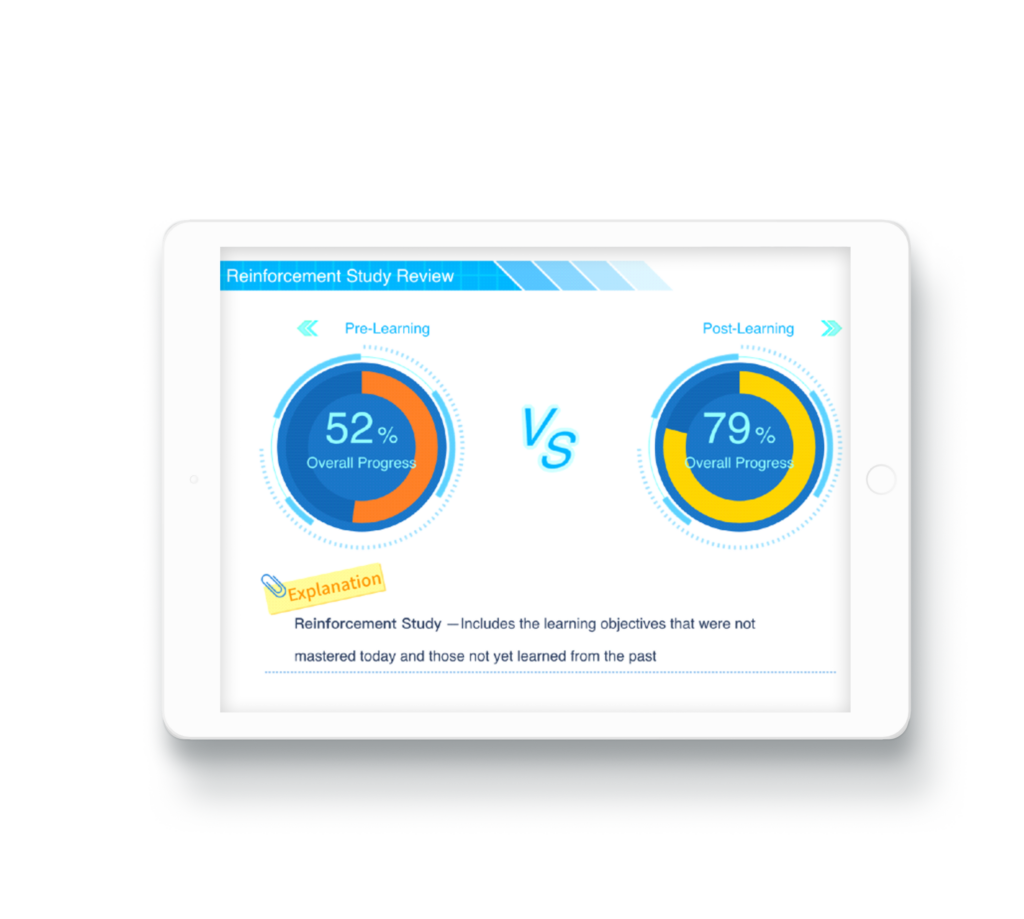
You’re juggling attendance, grades, and gut instincts while some students slip silently. The core problem: progress signals are spread out and noisy, so you miss plateaus until they’re hard to fix. An adaptive learning system can pull multiple signals into one view, and clear student progress tracking points expose the exact skills that lag. Start by treating visibility as the urgent bottleneck.
Why that visibility matters now
When you see a pattern early, interventions stay small and effective. Waiting stretches effort and morale. Targeted moves keep momentum. You don’t need perfect data; you need timely, interpretable signals you can act on between lessons.
Action plan you can use today
Pick three essential skills per unit. Measure with short, specific checks that take a minute to score. Flag students who miss the same skill twice. Pair a quick reteach with a focused practice item. Rinse and repeat weekly. Keep notes concise so follow-up stays practical instead of bureaucratic.
Tools and workflows that actually work
Use a single dashboard for mastery notes, not ten spreadsheets. Automate one routine: validation checks after assessments. Use that output to set micro-goals for the next class. Let students see one clear target so they know what’s expected next. The workflow should reduce guesswork, not add steps.
Common mistakes teachers and teams make
They track everything and act on nothing. They assume a rising average means every student is improving. They delay intervention until a summative test. They rely solely on end-of-unit scores. Stop waiting for big events; spot small regressions and fix them immediately.
Alternatives worth considering
Traditional gradebooks store outcomes but rarely expose skill-by-skill gaps. Static lesson plans deliver content but often miss pacing differences. Adaptive platforms promise personalization, yet many still require manual interpretation. Use tools that prioritize clear, skill-level insight over broad aggregates.
Final push — tie signals to small, consistent action
Clear checks, quick feedback, and repeated micro-interventions win more than one-time efforts. Keep targets tight and intervention simple. That practical loop — see the gap, act immediately, reinforce — is the engine for steady student progress, and it’s exactly the approach Squirrel Ai is built to support.